A growing chorus of parents is abandoning YouTube Kids, citing concerns over low-quality, algorithm-driven content that prioritizes engagement over educational value. The exodus highlights broader questions about how major platforms moderate content for children and whether current recommendation systems serve young users' best interests.
YouTube Kids is facing a parent revolt. What started as Google's answer to child-safe video content has become a source of frustration for families who find themselves trapped in what one parent calls 'algorithmic cul-de-sacs' filled with low-quality, engagement-optimized content.
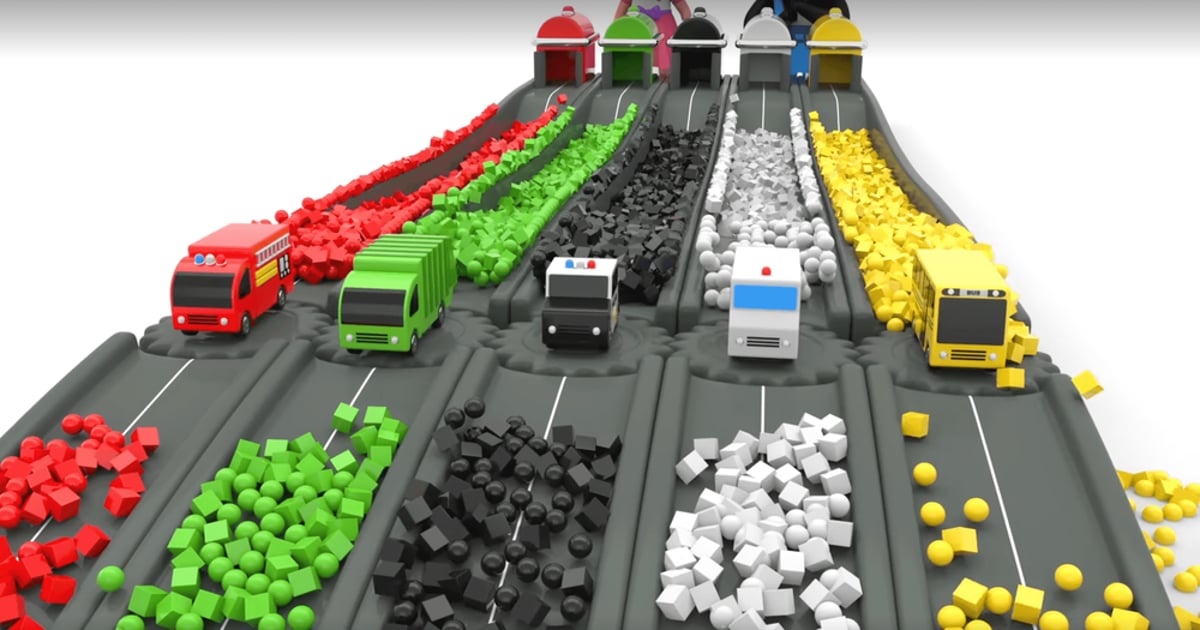
The problem isn't necessarily inappropriate material - YouTube Kids' content filters generally work as intended. Instead, it's what tech industry observers call the 'content slop' phenomenon: cheaply produced videos designed to maximize watch time rather than provide educational or entertainment value. These range from computer-generated cartoons of trucks driving through paint to farming simulator gameplay videos with dubious educational merit.
The Verge's Allison Johnson recently detailed her family's experience with the platform, describing how even whitelisted channels surfaced repetitive, poorly translated content that seemed designed purely to capture and hold children's attention. Her solution was radical: complete deletion of the app from all household devices.
This isn't an isolated case. Parents across social media report similar frustrations with YouTube Kids' recommendation algorithm, which appears to prioritize engagement metrics over content quality. The system often surfaces videos with aggressive calls-to-action, teaching children to search for specific creators by spelling out channel names - a tactic that would feel manipulative if aimed at adults.
The business model driving this content is straightforward: creators produce low-cost, computer-generated animations with recycled music and simple plots because they generate reliable view counts from young audiences. Some of these operations trace back to international content farms, particularly from China-based companies like Lefun Entertainment, making it difficult for parents to understand who's creating the content their children consume.
"The tactics to keep kids glued to the channel" represent a fundamental tension between platform monetization and child welfare, Johnson noted. While Disney also operates for profit, its subscription model doesn't directly incentivize endless engagement in the same way YouTube's ad-supported platform does.
The problem has become significant enough that some families are abandoning free content entirely. Parents report paying for individual show seasons on Amazon Prime Video rather than navigating YouTube Kids' recommendation maze. This shift toward premium, curated content represents a potential threat to YouTube's dominance in children's entertainment.
Google has made some structural changes, absorbing the dedicated YouTube Kids app into the main YouTube platform with profile switching. But the fundamental algorithmic approach remains unchanged, continuing to surface content based on engagement rather than educational value or production quality.
The YouTube Kids situation reflects broader questions facing the tech industry about algorithmic responsibility, particularly for vulnerable populations. Unlike adult users who can critically evaluate content recommendations, children lack the cognitive tools to recognize manipulation tactics or assess content quality.
Industry experts suggest this could presage stricter content regulation for children's platforms, similar to recent legislative efforts around social media and teen mental health. The European Union's Digital Services Act already requires platforms to assess risks to minors, and similar regulations could arrive in other markets.
For now, the market response appears to be families voting with their wallets - and their attention - by migrating to subscription services with more curated content libraries. Whether YouTube can address these quality concerns while maintaining its free, ad-supported model remains an open question.
The YouTube Kids backlash represents more than parental frustration - it signals a broader reckoning with how algorithmic recommendation systems affect children. As families increasingly choose curated, premium content over free platforms, YouTube must balance its engagement-driven business model with growing demands for quality children's programming. The outcome could reshape how tech platforms approach content for young users across the industry.