
Newsletter
Beyond Tech

The Tech Buzz
March 07, 2026
IN PARTNERSHIP WITH

Feature: Middle East Travel Meltdown Affects Gulf Travel
Consumer Tech: Apple M5 Pro/Max + MacBook Neo; GPT‑5.4 computer control; X Money beta; Better.com 47‑sec mortgage; Qwen AI Glasses; Mastercard adds SoFiUSD
Art/Culture: AI art not copyrightable; Paramount+ + HBO Max merge plan; DOJ vs Ticketmaster; Rock Hall nominees; Giant raises $8M
Food/Drink: Gemini orders groceries; Target removes synthetic dyes; Big Tech free lunches; keto gut-bacteria seizure finding; GLP‑1 food reformulations
Sports: Iran World Cup status in doubt; Trump college sports task force; Apple vs Netflix for F1 rights; PGA interactive maps
Futurism: brain organoid plays Doom; DNA storage leap; graphene terahertz breakthrough; Xiaomi humanoids in EV factory
Wellness: Medicare DME crackdown; FDA warning for Beta Bionics; FDA clears age-reversal vision trial; microneedle immunity patch


If you’ve ever spent hours: clicking through dashboards, taking screenshots, labeling files, and then re-doing it all again for the next audit.
…this one’s for you. Today, Delve is launching Delve CUA: a computer-using AI agent that takes compliance screenshots for you.
Delve’s agent securely navigates your tools, captures screenshots at the right moments, and attaches them directly to the correct controls, while you focus on actually building security.
You build. Delve documents. That’s compliance, finally automated end-to-end.
Trusted by 1,000+ of the fastest-growing companies, including 11x, Instantly, micro1, Wisprflow, Greptile, Browser Use, and more.
Book a demo to see Delve CUA in action and get $1,500 off.

Apple M5 Pro & Max — Apple debuts M5 Pro and Max chips with groundbreaking Fusion Architecture delivering 4x faster AI and 18-core CPUs. Also: Apple launched the MacBook Neo $599 — its cheapest laptop ever to rival Chromebooks.
GPT-5.4 Takes Control — OpenAI's new model is the first to offer native computer control — clicking, typing and navigating apps autonomously.
X Money Beta — Musk's X Money enters beta with 6% APY on deposits, a metal debit card, direct deposit, instant Visa Direct transfers, and $250K FDIC insurance via Cross River Bank.
47-Second Mortgage — Better.com and OpenAI just launched a ChatGPT app that underwrites home loans in under a minute. Rocket and UWM shares fell.
Qwen AI Glasses — Alibaba debuts Qwen Glasses S1 and G1 with swappable batteries, 12MP camera, real-time translation, and bone conduction audio.
Honor's Robot Phone Steals Show — The Chinese brand unveils a phone with robotic legs that walks, dances, and follows users at Mobile World Congress.
Mastercard Goes Stablecoin — SoFi's bank-issued digital dollar SoFiUSD is now a settlement option on Mastercard's global network — the first by a US chartered bank.
Kraken Wins Fed Master Account — Kraken's banking division secured Federal Reserve master account, gaining direct Fedwire access for faster fiat transactions—a crypto industry first.
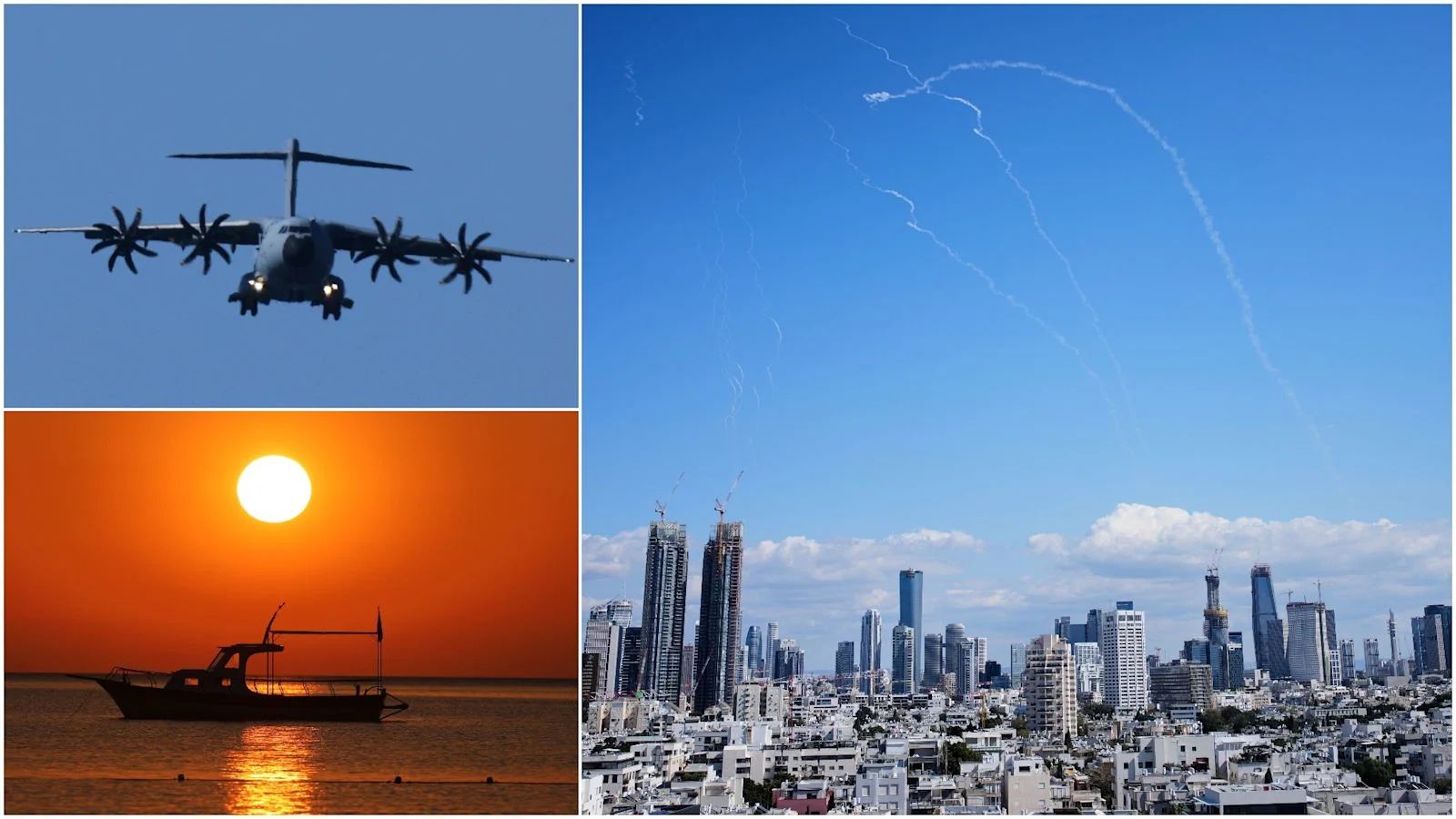
Tech Buzz Editorial Feature
Open any flight tracking website right now and you'll see something strange. Where one of the busiest aviation crossroads on Earth should be humming with aircraft, there's nothing. A vast empty space stretches across the Middle East, eerily quiet. Since US and Israeli strikes on Iran began days ago, the skies over Dubai, Abu Dhabi, Doha, and beyond have gone dark. More than 7,000 flights were cancelled between Saturday and Tuesday alone, stranding hundreds of thousands of passengers in what aviation experts are calling the worst global travel disruption since Covid grounded the world.
The timing could hardly be worse. Dubai International Airport, normally the world's busiest international hub with millions of passengers transiting annually, sits empty. Emirates, Etihad Airways, and Qatar Airways have suspended virtually all operations. These airlines connect Asia to Europe, Africa to the Americas, forming critical spokes in the global aviation wheel. When they stop, the ripple effects reach Bali, Frankfurt, Sydney, and beyond.
The airline shares selloff this prompted eased on Wednesday as some limited flights were able to leave the Gulf states. However, commercial air traffic remained largely absent across the region, with major Gulf hubs largely shut for a fifth straight day.
Tourists from dozens of countries were left stranded in the GCC states when the war began. The UAE government is now covering hotel and meal costs for tens of thousands of stranded travelers, a small comfort when you're watching plumes of smoke rise behind grounded aircraft.
The chaos extends to cruise ships too. At least six vessels from companies including TUI and MSC remain docked in Gulf ports, unable to depart. Thousands of passengers are effectively floating hotels, waiting for airspace to reopen so they can actually get home.
For tech workers and expats who make up a huge portion of the Gulf's workforce, the situation feels surreal. Dubai and Abu Dhabi marketed themselves as safe, stable havens for global talent. That image took a hit when Iranian drones targeted infrastructure including an RAF base in Cyprus and Amazon warehouses in the Emirates.
While regular travelers refresh airline apps hoping for updates, the ultra-wealthy found another way out. Private jet brokers report charging up to $350,000 for flights from Riyadh to Europe. Saudi Arabia has become the region's sole viable exit point, with desperate travelers driving hours across desert highways just to reach an airport still operating normally.
For everyone else, options remain grim. The US State Department has told Americans to leave immediately but acknowledged the obvious problem: there aren't enough flights. Secretary of State Marco Rubio said more than 1,500 Americans have requested evacuation assistance. The government is scrambling to arrange military aircraft and charter flights, though some planes headed to the region had to turn around mid-flight when airspace suddenly closed.
Other governments face similar challenges. Spain evacuated 175 citizens on a commercial flight from Abu Dhabi to Madrid on Tuesday. The UK is preparing charter flights from Oman. But these represent drops in an ocean of stranded travelers.
Airlines are hemorrhaging money. Emirates normally operates 146 weekly flights to the UK alone, roughly 21 per day. All grounded. Lufthansa, British Airways, Virgin Atlantic, and dozens of others have cancelled routes not just to conflict zones but anywhere that requires flying over the affected region. Share prices for carriers and travel companies plummeted, with TUI down 9% and British Airways parent IAG falling 5%.
Oil prices spiked 13% to $80 per barrel before settling back, adding fuel cost pressure just as airlines need to reroute flights around closed airspace. Flying north via Afghanistan or south over Egypt adds hours and burns significantly more jet fuel.
For technologists and investors watching supply chains, the cargo implications matter too. The Gulf serves as a critical air freight hub linking Asia and Europe. Already strained global logistics networks face new bottlenecks.
Even if your travel plans don't involve the Middle East, expect ripple effects. Transit passengers connecting through Gulf hubs to reach Asia, Australia, or Africa need new routes. Flights are booking up days in advance, and prices on Europe to Asia routes have surged. Aviation consultant John Strickland estimates it will take weeks to clear passenger backlogs even after airspace reopens.
President Trump said military operations could continue four to five weeks "or far longer," offering no clear timeline for normal travel to resume. Former German Foreign Minister Joschka Fischer, speaking at ITB Berlin 2026 tourism conference this week, warned the industry must adapt to persistent geopolitical instability as the old rules-based world order crumbles.
For now, travelers face a reality that seemed unthinkable just days ago: the highways linking continents through the sky have closed, and nobody knows when they'll reopen.

No AI Art Copyright — The Supreme Court ruled in a landmark case that AI-generated art does not qualify for copyright protection.
Netflix x InterPositive — Netflix acquires InterPositive, Ben Affleck's AI filmmaking startup focused on preserving human judgment while using AI for production efficiency and workflow automation.
Apple Music Launches AI Transparency Tags Apple debuts voluntary AI labels for tracks, compositions, artwork, and videos — letting artists self-report AI usage.
Creator AI Flood — MrBeast diversifies beyond ad revenue as ByteDance's Seedance 2.0 triggers Hollywood cease-and-desists, signaling AI slop saturation.
Paramount, Skydance — Media giants plan to merge Paramount+ and HBO Max into a unified streaming platform to take on Netflix.
DOJ vs Ticketmaster — The DOJ alleges Live Nation-Ticketmaster monopoly inflates ticket prices and stifles competition in $35B live entertainment industry.


Gemini Orders Groceries — Google's Gemini AI gains grocery ordering capability on Pixel devices, using voice commands to add items to cart and schedule delivery.
Target Ditches Synthetic Food Dyes — Retailer commits to removing artificial colors from store-brand cereals by May, joining clean-label trend amid health concerns over synthetic dyes.
Free Office Lunches — Microsoft, Meta, and Google expand employee food perks spending millions on gourmet catering to lure talent back to offices.
Keto Seizure Mystery — Researchers discover ketogenic diet prevents seizures by altering gut bacteria, stabilizing brain activity in epilepsy patients.
Food Brands Formulate for GLP-1 — Food manufacturers reformulate products for GLP-1 users with smaller portions, higher protein, and satiety-focused products.

Iran's World Cup Spot in Jeopardy — FIFA weighs Iran's 2026 World Cup participation following regional attacks, with security concerns and political pressure clouding tournament preparations.
Trump Forms College Sports Task Force — President establishes advisory group to address NIL deals, transfer portal chaos, and conference realignment.
Trump's UFC Math Problem — President Trump's UFC investment faces scrutiny as financial projections clash with reality.
Apple, Netflix F1 Battle — Streaming rivals compete for next-gen F1 docuseries rights as Drive to Survive reshapes TV economics. Also: Oracle Deepens Red Bull Partnership
PGA Interactive Maps — PGA Tour partners with PAM to provide fans real-time shot tracking, 3D course visualizations, and interactive leaderboards via mobile.


Brain Organoid Plays Doom — Researchers connect 800K human neurons to electrodes enabling brain tissue to learn and play classic shooter.
DNA Storage Reaches 350GB Per Gram — Breakthrough DNA storage system achieves 350GB per gram density with perfect retrieval accuracy as an archival medium.
Graphene Breakthrough — Room-temperature terahertz emissions from graphene unlock potential for 6G communications and medical imaging breakthroughs.
Xiaomi Humanoids — Achieve 90.2% success rate installing nuts in EV factory over 3-hour autonomous run, meeting 76-sec production cycles.

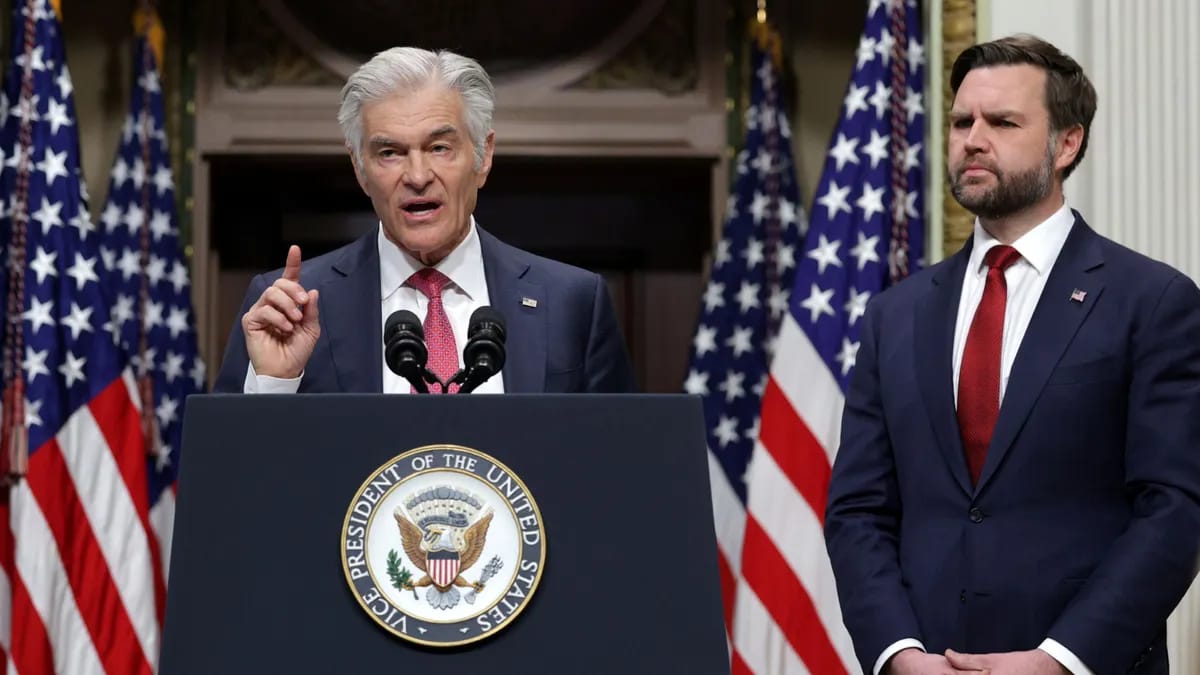
Trump Freezes Medical Equipment — A 6-month moratorium on Medicare enrollment for durable medical equipment suppliers to combat $1.5B suspected fraud using AI detection tools.
SG Senate Grilling — Surgeon General nominee Casey Means defends views on metabolic health and food policy during the Senate confirmation hearing.
Beta Bionics Hit With FDA Warning — FDA cites diabetes tech firm for unreported hypoglycemic episodes, delayed glucose readings, and hardware failures in automated insulin delivery systems.
FDA Clears First Age-Reversal Trial — Life Biosciences wins FDA clearance for first human trial to restore vision in glaucoma patients via partial epigenetic reprogramming.
Immunity Skin Patch — A microneedle patch painlessly delivers immune-boosting compounds through skin for vaccine delivery and health optimization.
Instagram: https://www.instagram.com/thetechbuzz.ig/

| Get the daily newsletter that helps you understand the tech ecosystem sent to your inbox.
More Newsletter Posts


