
Newsletter
Beyond Tech

The Tech Buzz
January 24, 2026
IN PARTNERSHIP WITH

Feature: Davos 2026 Sees Tourism As Global Infrastructure
Consumer Tech: Ford’s $30K EV truck prototype; Apple’s screenless AI wearable; Gemini “Skills” agent in Chrome; Zipline drone delivery expands in Texas; Chery
Art/Culture: Netflix offers $82.7B cash for Warner Bros.; Fallout Shelter reality show; Star Search adds live voting; Zootopia 2 hits $1.7B; Meta cuts metaverse
Food/Drink: US “peak calories” trend + GLP-1 impact; fresh/less-processed demand rises; SEMCAP closes $125M fund; NextFoods raises $1M; Rancho Gordo beans
Sports: Indiana wins first college football national title; Milano-Cortina 2026 schedule set; sports economy $2.3T today, $8.8T by 2050; NoBull reaches $1B valuation
Futurism: Musk: work optional in 10–20 years; prebiotics boost copper extraction; Tesla Dojo3 for space-based AI compute; China “Nantianmen” flying carrier
Wellness: “TimeVaults” record mRNA over time; Visby expands 30-min at-home STI PCR; Revoice; Microsoft AI lung cancer detection; acetaminophen-in-pregnancy


Ideas arrive fast. Typing slows them down.
Wispr Flow turns your voice into clean, final-draft writing across the apps you already use on Mac, Windows, and iPhone. Android coming soon.
Speak a full update, a quick brief, or the context for an AI prompt and get paste-ready text that needs little or no editing.
Wispr Flow listens the way people actually speak. It removes filler, fixes punctuation, formats lists, and matches your tone so the output reads like you wrote it.
Use it to:
reply to email
post in Slack
draft a product brief
write an investor note
Save voice snippets for recurring lines and insert them by saying their name. Capture ideas on the move and keep momentum between meetings so you stop losing insights to half-remembered notes.
For founders and business leaders, Wispr Flow turns routine comms into reliable, high-quality messages. For builders and power users, it turns spoken prompts into richer inputs for AI and faster iteration cycles.
The net effect is less time drafting and editing, smoother handoffs across teams, and more time to focus on strategy and execution.
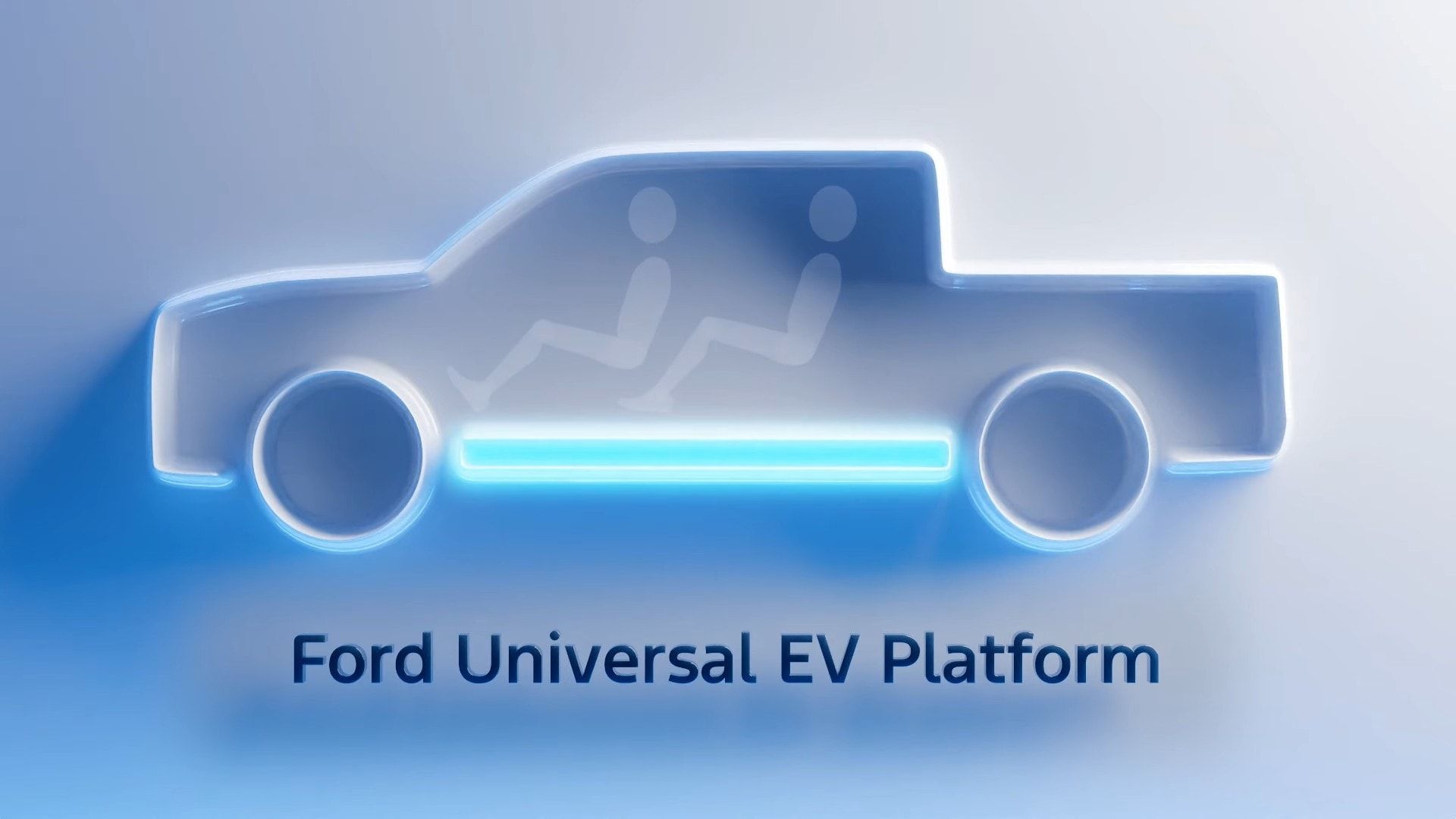
Ford's $30K EV Truck Prototype — Ford unveils its $30,000 electric truck prototype for a 2027 launch on a new Universal EV Platform, for 8 EV models.
Apple’s Wearable — Responding to OpenAI’s hardware rumors, Apple reveals it is developing a dedicated screenless AI wearable to further integrate Siri.
Also: OpenAI’s "Sweet Pea" earbuds may feature a 2-nm chip for local AI tasks.
Gemini's AI Leap — Gemini evolves into a proactive AI agent in Chrome, featuring "Skills" for defining capabilities like scheduling events.
Zipline's Skyward Expansion — Zipline's drone service is expanding in Texas, highlighting its potential for future U.S. delivery solutions.
Solid-State Leap — Chery plans to debut its first EV, the Liefeng shooting brake, featuring solid-state batteries with a 932-mile range and -22°F performance.
[Open Deal] WYDE Hits $14M FDV & Becomes The First 501(c)(4) Exchange
This week, Wyoming Decentralized Exchange (WYDE) hit a $14M valuation, funded over 4,184 meals, and received federal recognition as a 501(c)(4) nonprofit.
And the government just announced food policy that aligns perfectly with WYDE’s mission. Wyde Founder Aaron Rafferty writes about how The 2025-2030 Dietary Guidelines for Americans emphasize the importance of real food and flips the food pyramid towards reduction of processed foods and the inclusion of protein, dairy, and healthy fats in diets to address chronic health issues linked to poor nutrition.

“I've been working on something at @wydeorg that connects directly to this moment. Millions of Americans are obese and still hungry because they do not eat REAL FOOD.”
— Aaron Rafferty, Co-Founder of Wyde

Tech Buzz Editorial Feature
Every January, global leaders travel to Davos to focus on growth, risk, and long term stability. In 2026, tourism has moved higher on the agenda. It is being discussed as a core system that supports economies, jobs, and cooperation across borders. At a time when many countries face slow growth and rising pressure on public finances, travel stands out as a sector that already works at global scale.
At the World Economic Forum in Davos this week, tourism is being framed as infrastructure because it connects people and markets directly. Flights, visas, hotels, and digital travel systems move capital and labor in ways few industries can match. Leaders are looking closely at where trust and economic activity still flow in large numbers. Travel remains one of those channels.
Tourism is one of the largest industries in the world. According to the World Travel & Tourism Council, travel and tourism generated $10.9T in global GDP in 2024. That represents about 10% of total economic output. The sector also supported 357M jobs, roughly 1 in 10 jobs worldwide.
These figures explain why tourism matters in Davos discussions. The industry reaches across income levels and regions. Around 80% of tourism spending goes to small and medium sized businesses, including local hotels, restaurants, transport providers, and guides. For many regions, tourism is one of the fastest ways to bring income into communities without heavy industrial investment.
Tourism also plays a role in employment transitions. As automation reshapes other sectors, travel continues to absorb workers quickly. This matters in countries facing youth unemployment or workforce displacement.
International travel has returned strongly. More than 1.1B people traveled across borders between January and September 2025. That momentum has continued into 2026. At Davos, leaders are focusing on what this movement enables.
Tourism spreads demand across many locations instead of concentrating growth in a few urban centers. Rural and secondary destinations gain access to global markets through travel. When managed well, this reduces pressure on major cities and helps balance regional development.
Tourism also provides steady foreign currency income. For many economies, travel receipts help stabilize balance of payments and support public spending. This stability becomes more valuable during periods of slow global growth and trade uncertainty.
Tourism brings people into direct contact with local culture. This includes food, language, history, and everyday life. At Davos, leaders highlight how these experiences shape perception and trust between societies.
The UN Tourism describes travel as a driver of peace and understanding. That role shows up through repeated human contact rather than formal diplomacy. Millions of small interactions build familiarity and reduce distance between cultures.
Communities benefit most when they are active partners in tourism. Programs such as community homestays, heritage tours, and locally owned experiences keep revenue inside the destination. This approach helps preserve traditions while generating income. It also increases local support for tourism growth.
Technology is changing how people travel and how destinations manage visitors. Digital visas, biometric boarding, real time translation, and AI powered trip planning reduce delays and confusion. At Davos, leaders view these tools as productivity upgrades for tourism systems.
More than 70% of travelers now expect smooth, digital journeys. Fewer than 30% of airports currently meet that standard. Closing this gap improves capacity without building new infrastructure. It also frees workers to focus on service and hospitality.
Technology is also being used to manage crowds, protect heritage sites, and guide visitors toward less crowded areas. These tools help destinations grow without losing quality of life.
Despite strong demand, investment in tourism remains uneven. Only about 12% of global tourism investment reaches emerging and secondary destinations, even though these areas represent more than half of future growth potential.
At Davos, policymakers emphasize planning, governance, and long term strategy as the factors that attract capital. Clear rules, reliable infrastructure, and workforce training matter more than promotion alone. Public private partnerships and blended finance models are increasingly discussed as ways to reduce risk and unlock funding.
Saudi Arabia is often cited as an example. The country welcomed 115M visitors in 2024 and is investing hundreds of billions into tourism as part of its national development strategy. These investments span aviation, digital systems, culture, and human capital.
Tourism supports economies during uncertain times. It creates jobs, distributes income, and sustains cross border contact even when political relationships are strained. At Davos 2026, leaders are treating tourism as a system that helps societies stay connected and resilient.
The conclusion is practical. Travel works at scale today. It supports millions of livelihoods and moves capital directly into communities. With thoughtful policy, technology, and investment, the WEF sees tourism as continuing to serve as shared infrastructure for growth, stability, and global connection.

Netflix-Warner Bros Deal — Netflix proposes an all-cash $82.7B deal for Warner Bros., simplifying the acquisition amid Paramount's competing offer.
Fallout Reality Show — Amazon is producing a ten-episode reality escape show based on the Fallout franchise.
Star Search Live Voting — Netflix introduces real-time voting for its Star Search reboot, allowing viewers to rate performances live within the app.
Zootopia 2 Record — Zootopia 2 has become the highest grossing MPA animated film ever, earning $1.7B globally.
Sphere Expansion — Developers plan to build a smaller Las Vegas Sphere at National Harbor, expected to generate $1B annually and support 4,750 jobs.
Prince Harry Lawsuit — Prince Harry and others are suing Associated Newspapers for alleged unlawful information gathering.


Peak Calories Phase — US caloric consumption is plateauing due to slower population growth, reduced immigration, and GLP-1 drugs, driving innovation.
New Food Industry Trends — Millennials and Gen Z are driving demand for fresh, less-processed foods, while GLP-1 drugs boost protein-rich products.
SEMCAP's Big Debut — SEMCAP closed its inaugural Food & Nutrition fund at $125M, with assets now exceeding $500M..
NextFoods — Raised $1M in Series 3 funding led by ECP Growth to boost product innovation and expand retail partnerships for Cheribundi and GoodBelly.
Bean Boom — Rancho Gordo beans see skyrocketing demand with 29K on the waitlist, driven by Steve Sando's 25-year dedication.

Indiana's Triumph — Indiana clinched their first national College championship under Coach Curt Cignetti in a great sports turnaround.
Milano-Cortina 2026 — The 2026 Winter Olympics will commence on February 6 in Italy, featuring new events like ski mountaineering.
Sports Economy Boom — The sports economy, valued at $2.3T, is set to reach $8.8T by 2050 amid climate and inactivity challenges.
NoBull’s $1B Milestone — Mike Repole raised $50M for NoBull, reaching a $1B valuation by merging with Tom Brady's TB12 and Brady Brand.


Elon's Utopian Future — Elon Musk predicts work will be optional in 10-20 years due to AI and robotics.
Copper Extraction — Microbial communities and prebiotic additives boost copper extraction from 30-60% to 50-70%.
Space-Based AI Compute — Tesla's Dojo3 pivots to "space-based AI compute" using in-house chips instead of Nvidia and AMD.
China Space — China advances its "Nantianmen" plan with the Luanniao, a 120,000-ton flying aircraft carrier for unmanned hypersonic fighters.
Magnetic Satellite Dance — Alternating Magnetic Field Forces (AMFF) enable satellites to maneuver without propellant.
Beaming Solar Power — Overview Energy tests laser-based energy beaming from aircraft to ground, securing $20M to deploy by 2030.

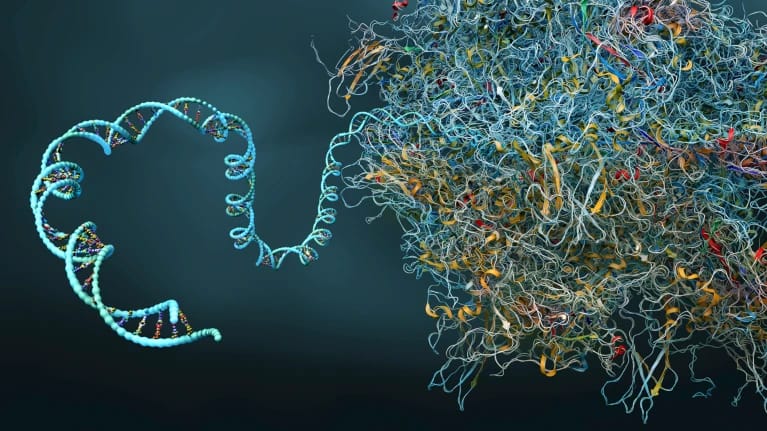
TimeVaults Unlocked — New cellular structures, capture and store mRNA for continuous gene transcription recording, aiding understanding of cancer-drug resistance and stem-cell biology.
Fast-Track STI Testing — Visby Medical partners with Quest Diagnostics and Labcorp to offer FDA-authorized at-home PCR tests for STIs with 30-minute results.
Revoice: Voice Recovery Device — A wearable decoding speech via throat vibrations for stroke patients, showing low error rates with enhanced emotional recognition.
AI-Lung Cancer Detection — AI-enabled radiology with FDA-cleared algorithms for early lung cancer detection via X-ray and CT analysis.
Tylenol Safety in Pregnancy — Review of 43 studies finds no link between acetaminophen use during pregnancy and autism; experts urge dose research.
Instagram: https://www.instagram.com/thetechbuzz.ig/

| Get the daily newsletter that helps you understand the tech ecosystem sent to your inbox.


