Newsletter
Beyond Tech: Your Weekend Upgrade

The Tech Buzz
June 06, 2026
IN PARTNERSHIP WITH

Consumer Tech: RTX Spark ARM PCs + DGX Station; Surface Laptop Ultra 100fps; smaller Oura ring; UniFi 5G modems; The Mall shopping feed
Art/Culture: YouTubers top box office (Backrooms/Obsession); states push AI-art ownership rules; Scorsese backs FLUX storyboarding; “This Is Fine” settlement
Sports: US subpoenas FIFA on World Cup tickets; Spurs reach NBA Finals; Vegas vs Carolina Stanley Cup; Serena comeback; Gucci–Alpine F1 deal; Alibaba UEFA to 2033.
Futurism: China “world-first” brain chip; BCI funding boom; 32M gene-edited mosquitoes (Debug); microrobots stem cells for spinal repair; hard-gold plating service.
Wellness: Copilot Health preview; magnetic particle imaging for cell therapy; “invisibility cloak” cancer drug trial; lung cancer survival win; no-laser LASIK alternative; mRNA melanoma vaccine.
Food/Drink: SNAP waiver hit $830M; McDonald’s 2026 franchise push; IFF food unit sold $4.3B; Phytolon $23.6M; GLP-1 + protein reshape dairy; whey shortages


Your AI agent can write production-ready code with the best of them, but somehow can't accurately read a simple PDF. Classic.
But before you give up and accept that the rest of your day (or week) will be transcribing documents, you need to give LlamaParse a shot. This Agentic Document OCR reads even the most chaotic PDFs—we’re talking 10k reports, invoices, legal docs, even full-blown research papers – with 99%+ accuracy.
It gives your agents the context they need, and it saves your Devs a whole lotta hassle. Try LlamaParse today and get 20K credits with code JUNE20.

Nvidia PCs — New RTX Spark ARM superchip combines 20-core Grace CPU, Blackwell GPU, 128GB memory for premium laptops. + Nvidia DGX Station for Windows brings trillion-parameter AI supercomputers to desks.
Surface Laptop Ultra Gets RTX Spark — Microsoft Surface Laptop Ultra launches as first RTX Spark device, achieving 100 fps at 1440p gaming.
Tiny Smart Ring — Oura launched a 40% smaller smart ring, the smallest ever they claim, to track sleep and stress with extended battery life.
5G Modems Added — Ubiquiti launched the Dream Router 5G Max and outdoor modems to bring resilient, high-throughput wireless WAN to UniFi.
Universal Shopping Feed — The Mall app lets shoppers follow brands, track sales across 10,000+ retailers in personalized feed, launching invite-only.
Minimax M3 Beats GPT-5.5 at 1/10th Cost — Minimax M3 outperforms GPT-5.5, Gemini 3.1 Pro on benchmarks at fraction of inference cost.
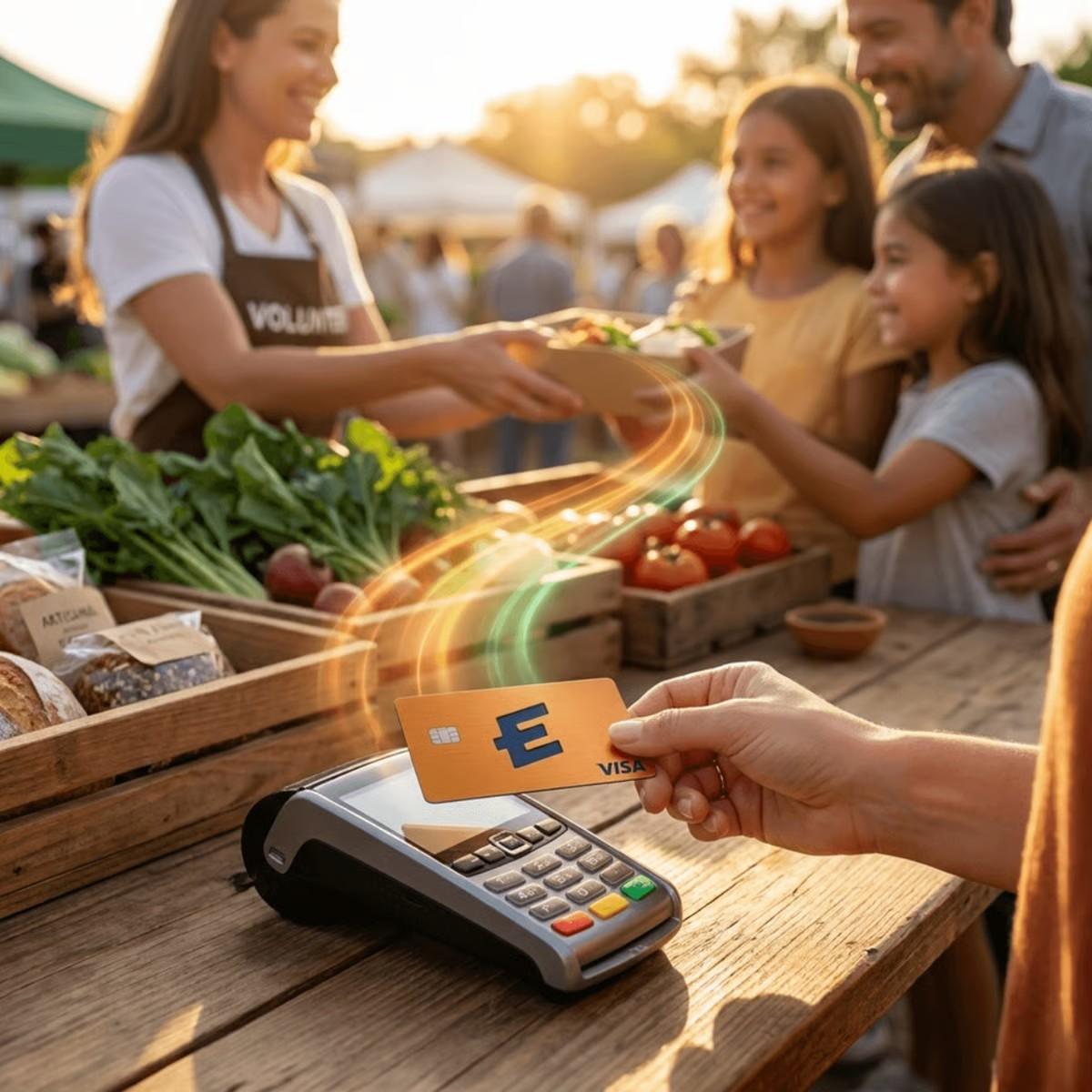
Feed the Children Partners with WYDE's $EAT Token — FTC becomes exclusive partner for WYDE's $EAT hunger token. 944 holders funded 20,000 meals while token surged 10,000%, with 25% of trading fees auto-funding this verified 501(c)(3).

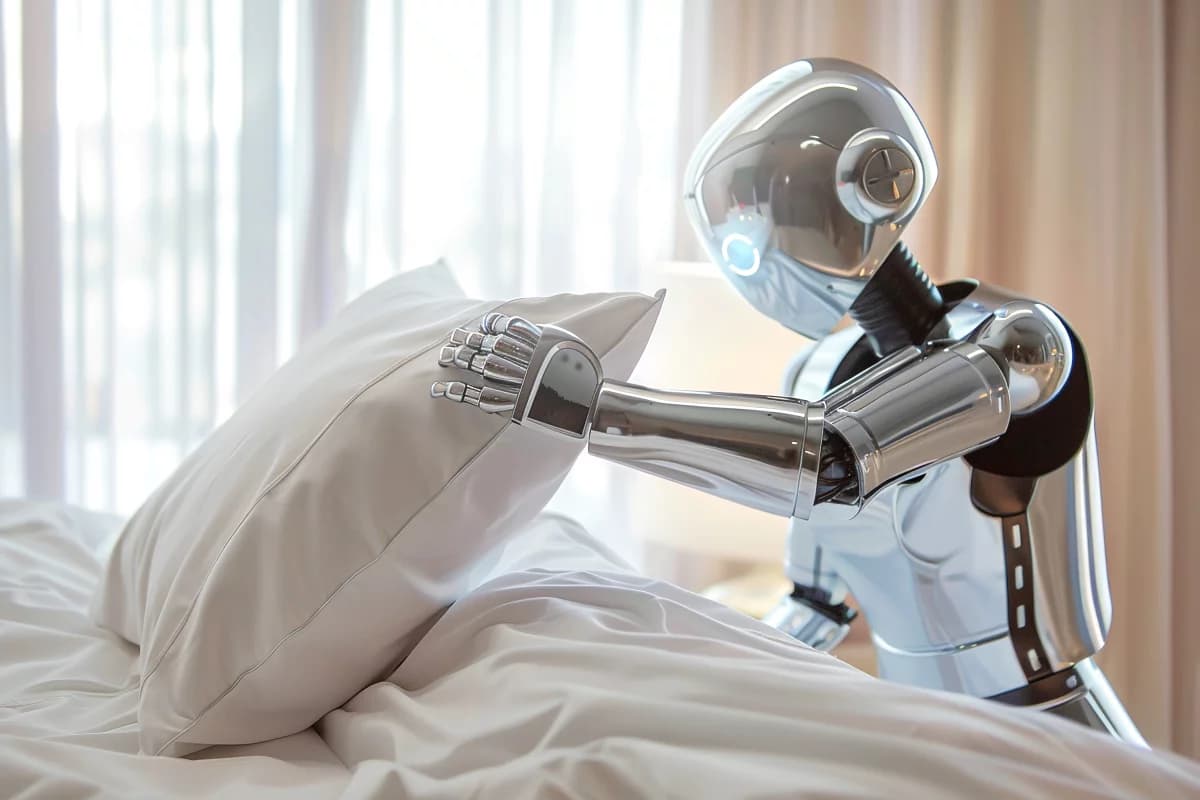
Every major technology wave of the last 30 years hit travel and hospitality before anywhere else. The internet rewired booking desks. Mobile check-in came before mobile banking. Now AI is rewriting hotel operations from the breakfast menu to the staffing roster, and if that pattern holds, your industry is watching its own near future play out in a hotel lobby.
Google's Chief Business Strategist for AI, Gopi Kallayil, has a clean explanation for why. The hotel product is physical, but everything before you arrive is pure information: research, planning, communication. That information density is why technology lands there first and lands hard.
The Beverly Hills Hotel fed years of guest reviews into an AI tool called Metis and asked one question: what do guests actually care about? The answer surprised everyone. Guests valued breakfast more than the celebrity chef dinners the hotel had spent heavily to build. And 90% of breakfast orders were being modified anyway. So they scrapped the menu entirely. You sit down, you order whatever you want, they make it.
That is a useful illustration of what AI actually does in this sector. It reads the data your operation has been generating for years and tells you something your instincts missed.
The transformation in hospitality is running on four tracks simultaneously.
The customer planning journey is collapsing. Research that once took days of tab-switching now happens conversationally in minutes. Traffic from AI sources to US travel and hospitality websites rose 3,500% year over year in mid-2025, and traditional search engine usage among US travellers has already dropped from 51% to 36%. The funnel is being rebuilt around AI agents, not search bars.
Marketing is getting surgical. Hilton ran AI across millions of Hilton Honors loyalty profiles to identify what different guest segments actually valued, down to whether someone wanted breakfast included or just the lowest rate. The result was a 5-8% revenue lift with no new rooms built. 61% of hotel guests say they would pay more for personalised experiences, yet only 23% received high personalisation on their last stay. That gap is where the money is.
Service delivery is being rebuilt around data hotels already hold. The front desk clerk who spends three minutes explaining checkout policy to a guest who has stayed 40 times is a systems failure, not a staffing one. AI-generated guest summaries at check-in fix that without replacing anyone.
Operations behind the scenes are shifting from educated guesswork to actual prediction. A resort that swings between family-holiday weeks and corporate offsites needs completely different staffing, pool coverage, bar hours and coffee volume. AI reads the booking profiles and adjusts before the guests arrive.
McKinsey research puts AI-enabled personalisation and dynamic pricing at a 3-10% annual revenue increase for hotels with no increase in occupancy. That is margin from intelligence. Hotels using AI-driven revenue management are seeing 15-20% increases in revenue per available room. 80% of hotel bookings are expected to flow through AI-powered platforms by the end of 2026.
For founders, VCs and real estate investors: these are not hospitality metrics in isolation. They are a preview of what AI-native operations produce when deployed across any data-rich, margin-sensitive business.
The global hospitality industry generates over $4.7T in annual revenue, and most properties still make their biggest decisions on pricing, staffing and purchasing using intuition and spreadsheets that would look familiar to a manager from 2005. AI is exposing that gap, fast.
Every sector has customer journeys with friction worth removing, marketing budgets pointed at the wrong segments, service touchpoints where personalisation would drive loyalty, and back-office operations running on guesswork. The hotel story is a working model of what happens when you fix all four at once.
Speaking of spending with intention: EAT has built the world's first debit card that uses AI and blockchain to turn everyday food purchases into meals for families who need them. Every swipe rounds up, and that change flows directly to Feed the Children and local food banks. Already 1,000+ founding members strong and growing. If you believe technology should generate impact by design, five minutes at eat.ong/card is worth your time.

YouTubers Dominate Box Office — Kane Parsons (Backrooms) with $81.4M US, $118M globally, and Curry Barker (Obsession) occupy top two spots this week.
States Define AI-Generated Art Ownership — States seek federal guidelines for AI-generated artwork ownership rights as legal ambiguity persists nationwide.
Scorsese Backs AI — Martin Scorsese signs as partner, advisor to Black Forest Labs, using FLUX for storyboarding on upcoming films.
AI Is Fine Now — "This Is Fine" creator KC Green reaches a settlement with Artisan over unauthorized use of his viral meme in ads.
Dolly Parton Expands Tourism Empire — Dolly Parton opens SongTeller Hotel, Life of Many Colors Museum, NightFlight at Dollywood in 2026.
Barry Diller-MGM Resorts Deal — Barry Diller finalizes People Inc-MGM Resorts partnership, reshaping entertainment, hospitality landscape.


SNAP Waiver Losses Reach $830M — SNAP waiver losses projected to hit $830M in 2026 as government policies shift food assistance programs.
McDonald's Franchise Growth Strategy — McDonald's focuses on franchisee profitability, menu innovation for 2026 growth strategy, expansion plans.
Food Unit Sold — CVC Capital Partners agreed to buy the food ingredients arm of IFF for $4.3B, backed by White & Case and Skadden.
Phytolon Raises $23.6M Series B — Phytolon closes $23.6M Series B funding for natural food color commercialization, production scaling.
IFF Sells Food Ingredients Unit for $4.3B — IFF divests food ingredients division for $4.3B, restructuring specialty ingredients business focus.
Protein, GLP-1 Trends Reshape Dairy — GLP-1 medication, high-protein demand trends reshape dairy category, drive product innovation strategies.
No Whey! — Starbucks, Mars partnerships surge protein demand, causing whey protein price spikes, supply shortages industry-wide.
Plants Reduce Iron Uptake Under Drought — University of Calgary research shows drought stress reduces iron uptake in canola, tomatoes, rice crops.

US Subpoenas FIFA Over World Cup Tickets — US authorities subpoena FIFA regarding World Cup ticket pricing, distribution transparency issues.
Spurs Stun Thunder in Game 7 — San Antonio Spurs defeat Oklahoma City Thunder in a Game 7 thriller, to face the NY Knicks in the NBA Finals.
NHL Stanley Cup Final: Vegas vs Carolina — Vegas Golden Knights face Carolina Hurricanes in Stanley Cup Final, high-stakes championship series.
Serena Williams Returns to Tennis — Serena Williams, 44, returns to competitive tennis at Queen's Club doubles after four-year hiatus.
Luxury F1 Deal — Gucci secured a $150M title sponsorship with Alpine, bringing high fashion and a black-and-gold aesthetic to Formula 1.
NBA Commissioner on AI Lazy Referees — NBA Commissioner addresses concerns about AI-assisted refereeing potentially reducing official accountability.
Alibaba Partners UEFA Through 2033 — Alibaba secures UEFA partnership through 2033 for men's club competitions, Euro 2028 rights.


Google Gene Edits Mosquitoes — Alphabet’s Debug Project wants to release 32 million genetically-modified mosquitoes in California, Florida for disease control testing.
China's World-First Brain Chip — China develops world-first brain chip with advanced neural interface capabilities, competing with Neuralink.
BCI Investors Bet Billions — Investors pour billions into brain-computer interfaces despite slow adoption, technical hurdles, regulatory uncertainty.
Microrobots repair spinal cord — Researchers developed a novel approach to treating spinal cord injuries: controllable microrobots deliver stem cells directly to the site of an injury, where they promote nerve cell regeneration.
Trash Lobster — Startup arranges Hard Gold Plating for your jewellery, with 5 microns applied to your piece — the sweet spot between cost and longevity.


Copilot Health Preview Launches — Microsoft Copilot Health enters preview, providing personalized health guidance via AI assistant.
Magnetic Imaging for Cell Therapy — Magnetic particle imaging enables tailored cell therapy treatments, improving precision in personalized medicine delivery.
Cancer Smart Drug Invisibility Cloak Trial — Cancer smart drug with invisibility cloak technology enters human trials for tumor shrinkage treatment.
Cancer Trial Win — Ivonescimab reduced death risk by one-third versus chemotherapy in a lung cancer study, boosting hopes for new inhibitors.
Forget LASIK — A futuristic alternative to LASIK that reshapes the eye without lasers or incisions using mild electrical pulses and platinum contact lenses.
One-Time Cholesterol Treatment — New one-time cholesterol treatment shows promise for lifelong cholesterol management in patient trials.
mRNA Cancer Vaccine for Melanoma — mRNA cancer vaccine targeting melanoma shows strong efficacy in clinical trials, advancing immunotherapy.
Instagram: https://www.instagram.com/thetechbuzz.ig/

Advertisement
Advertisement
| Get the daily newsletter that helps you understand the tech ecosystem sent to your inbox.