Newsletter
Beyond Tech: Your Weekend Upgrade

The Tech Buzz
August 22, 2026
IN PARTNERSHIP WITH

Consumer Tech: Meta face AI; camera AirPods; Android theft lock; Fairphone US; $81 Gemini tablet; Firefox AI; Kraken card
Art/Culture: Amazon book AI; ByteDance MPA pact; Paramount trial; AI TV series; Disney D23; Mirage AI news; Mattel games
Food/Drink: Lettuce outbreak; DeepSeek beer bar; MGM buffet closes; Planted alt-meat; NYC fruit teas; Unwell shutdown; pickle boom
Sports: Lakers $12.5B bid; LIV cancels final; NFL $299B; Gemini stadiums; OneFootball reset; Disney+ sports; Norway stakes
Futurism: Unitree $9B robot; OpenAI Ohio grid; 800 km/h maglev; AquaNab nanobodies; Caltech optical chips
Wellness: Narcolepsy therapy; brain-tumor lasers; MIT lung-cancer prevention; dog-cancer AI startup; malaria mutations; GLP-1 debate

You could be paying $0 in interest on your credit card until nearly 2028.
Some of the best 0% intro APR cards right now also come with a huge bonus, up to 5% cash back on everyday spending, and no annual fee — and our experts just picked the top ones worth checking out.
If you're still paying interest every month, this is your sign.

Meta's All-Seeing Glasses — A newly published Meta patent describes AI glasses using facial recognition to auto-cut highlight reels of your dinner.
Apple's Eyes and Ears — A macOS Tahoe leak revealed camera-enabled AirPods that can see and answer through Siri, ahead of a September launch.
Android Locks Down — Google's new Theft Protection suite adds motion-sensing lockdown and offline locking to stop snatch-and-run phone thieves cold.
The Phone You Can Fix — Dutch phone maker Fairphone is bringing its latest modular, repairable handset to the US market for the very first time.
Amazon's Cheap Genius Tablet — Amazon slashed an Android tablet with Gemini AI and built-in theft protection to just $81, pitched as a family device.
Firefox Gets Smart — Firefox's new Smart Window adds AI web-aware chat, natural-language search, and automatic tab grouping, built for privacy.
Kraken Cards Up — Kraken launched a cash-back debit card that converts crypto to cash automatically, expanding its reach into everyday fintech.

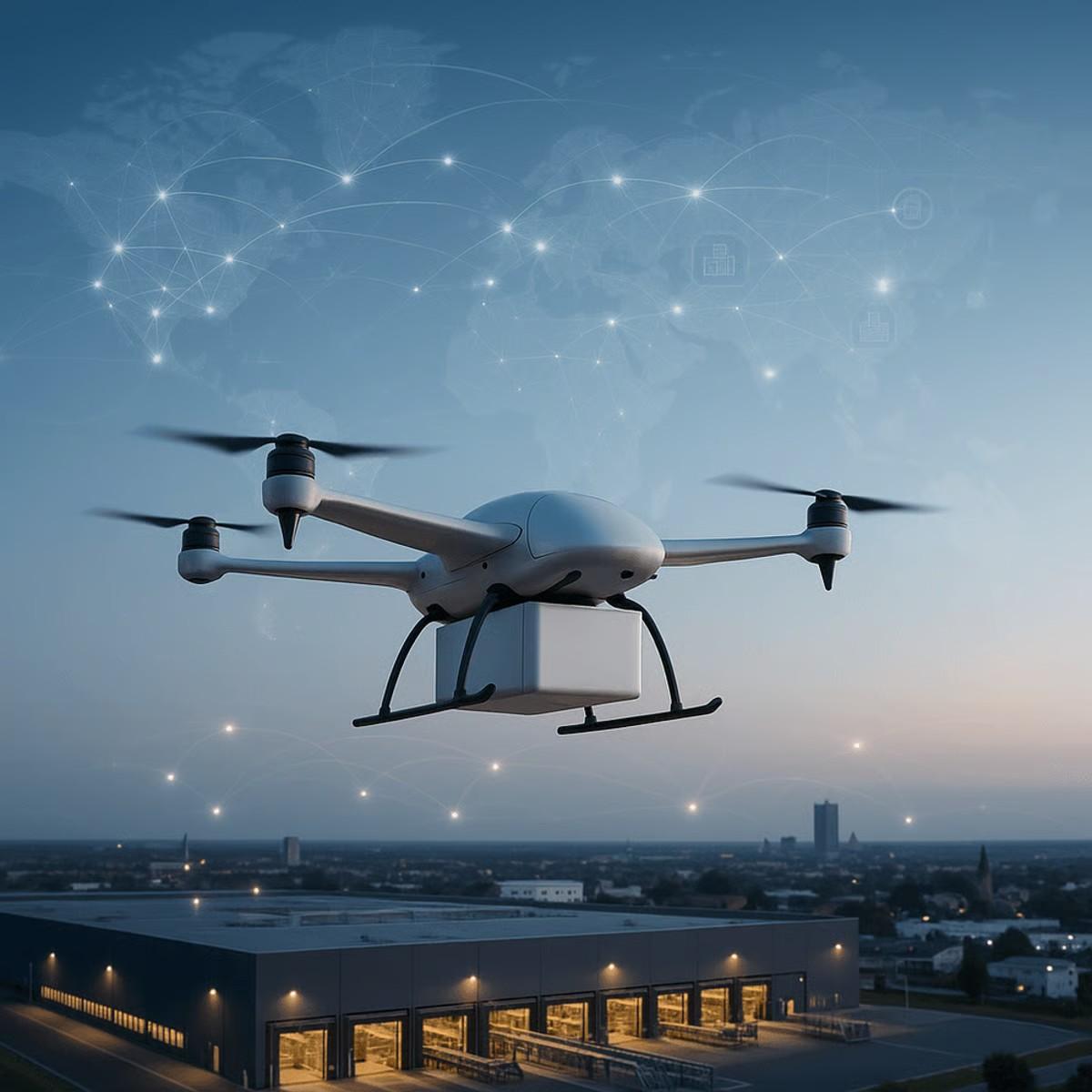
Drones, Sidewalk Robots And E-Bikes Are Racing To Carry Your Takeout, And This Week Some Major Players Placed Their Bets
This week the food delivery business rearranged itself. Uber sold its entire stake in Serve Robotics, the sidewalk robot company it spun out five years ago, then turned around and made its biggest drone bet yet with Zipline. Serve, apparently blindsided by the sell-off, landed new deals with Grubhub and DoorDash within days. And in India's Yulu raised $93M to flood city streets with delivery e-bikes. The fight to own the last mile food service to your front door just got more complicated.
For two years Uber chased partnerships in autonomous sidewalk delivery. Then it reversed course. It dumped its Serve stake and threw its weight behind Zipline drones, aiming to fulfill orders in 5 to 10 minutes instead of the usual 30. Deliveries start in Dallas and Houston by year end, with a target of 1 million Uber Eats drone drops a day by 2029.
CEO Dara Khosrowshahi says demand for speed is "insatiable." He may be right. Zipline, which started a decade ago flying blood to hospitals in Rwanda, says fast delivery quietly rewires how people order. Make it magical enough and customers start ordering every day, sometimes several times a day. That is the real prize here. Not faster fries, but a habit.
For Uber, the logic is clean. Rather than build drones itself, it rents the hard part and keeps its app at the center. It already works with more than 30 autonomous partners. The risk it is choosing to ignore: every one of those partners could someday go straight to customers and skip Uber entirely.
Getting dropped by your biggest partner usually hurts. Serve Robotics found out Uber sold its whole stake from a regulatory filing, which is a cold way to learn the news. The existing contract keeping Serve robots on the Uber Eats app runs until 2027, but Serve does not plan to renew, citing falling order volumes and "differing views."
Then Serve did something smart. It signed Grubhub, expanded with DoorDash into San Jose and Washington, D.C., and reached its seventh and eighth major US markets. CEO Ali Kashani expects the lost Uber volume to be "more than replaced over time." To keep costs down, Serve is rolling out "micro depots" in Miami, small sites for charging and repairs that go up fast and cheap. It is also pushing its Moxi hospital robots after buying Diligent Robotics earlier this year.
There is a lesson buried in here for founders. Depending on one giant customer is a trap. Serve spent years as Uber's robot arm, and the moment that ended, its survival depended on how quickly it could find new tables to sit at. It found them fast.
While Uber and Serve grabbed the headlines, the least glamorous story might be the most important one. In India, Yulu raised $93M, led by GEF Capital Partners, to triple its fleet to 200,000 electric bikes over the next two years.
Yulu is not really a bike-share company anymore. It is chasing the delivery boom, building faster e-bikes for riders who do 50+ drops a day for Blinkit, Zepto and Swiggy Instamart. India's 10-minute grocery delivery has stopped being a novelty and become the baseline. The bottleneck is not clever software. It is physical: bikes, batteries and bodies to move them. Yulu wants to be the picks-and-shovels supplier to that gold rush, the same instinct behind Zipline building drones and Serve building depots.
Strip away the noise and one pattern shows up everywhere. The company that owns the app is not always the company that owns the machine. Uber leans on Zipline. Grubhub leans on Serve. Zepto leans on riders leasing Yulu bikes. The value is quietly moving toward whoever controls the physical layer, the drones and robots, batteries, (and even the occasional human) that actually touch your food on its way to you.

Books Fed to the Machine — A hidden AirTag caught Amazon purchasing then shredding rare books at a facility to train its AI models.
Hollywood's AI Truce — ByteDance signed a copyright pact with Hollywood's MPA covering its Seedance AI video models.
Antitrust Clock Ticking — Paramount's antitrust trial over its $81B Warner Bros Discovery deal is set for March 2027.
TV's First AI Star — Prime Video launched Castle Walls, billed as the first fully AI-generated scripted series.
Disney Nostalgia — Disney previewed nostalgia-driven park additions, including a new Marvel ride, at D23.
All-AI, All the Time — Startup Mirage launched a round-the-clock AI-generated news channel, testing viewer appetite.
Mattel Goes Gaming — Mattel launched its own game studio, starting with titles based on Hot Wheels and Uno.


Lettuce Under Investigation — The FDA is inspecting a Taylor Farms plant tied to a multistate cyclospora outbreak.
Free Beer, Free Tokens — A Beijing bar hands out free DeepSeek tokens over WiFi, admitting it's losing money.
Vegas Buffet Era Ends — The MGM Grand Buffet is closing, another casualty of the Strip's all-you-can-eat decline.
Plant Meat Doubles Down — Swiss alt-meat maker Planted is doubling capacity for its fermented whole-cut platform.
Boba's New Rivals — Mixue and Heytea are bringing Chinese fruit-tea and cheese-foam drinks to New York.
Creator Drink Goes Flat — Alex Cooper shut down her Nestlé-backed Unwell beverage line after a short run.
Pickle Everything — Pickle-flavored snacks and drinks are rapidly taking over mainstream grocery shelves.

Lakers' Record Bid — Facing a federal investigation and a liquidity crunch, billionaire Lakers owner Mark Walter needed only 72 hours to accept a $12.5B buyout offer from Kushner/Iger. New reporting also alleges Walter's insurers funneled premiums into his own firm, Guggenheim.
LIV Golf Blinks — LIV Golf canceled its $40M season-ending team championship amid funding questions.
NFL's Billion-Dollar Leap — NFL franchises jumped 31% to $299B combined, with the Cowboys leading at $15B.
Stadiums Go Gemini — Google is bringing Gemini AI to football stadiums to boost the in-venue fan experience.
OneFootball's Comeback — OneFootball recovered from near-collapse over failed NFT deals with a leaner model.
Disney's Streaming Playbook — Disney is folding its $84B sports portfolio into Disney+ to drive streaming growth.
Norway's Sports Empire — Norway's wealth fund quietly holds $6.4B in stakes across Nike, F1, and UFC.


Faster Than Bolt — Unitree's new humanoid robot claims it can outrun sprinting legend Usain Bolt as it prices its Shanghai IPO at a $9B valuation.
OpenAI's Ohio Bet — OpenAI secured 8 gigawatts for a new Ohio campus, promising 35,000 construction jobs.
.Maglev's Wild Sprint — An experimental Chinese maglev train broke its own acceleration record, reaching 800 km/h from a standstill in about 5 seconds.
Fighting Lice With Nanobots — Biotech AquaNab raised funding for nanoantibodies that fight sea lice in fish farms.
Chips Go Fiber-Fast — Caltech built ultra-low-loss optical paths on silicon, nearing true fiber-optic speed.


Sleep Science Breakthrough — A first-of-its-kind narcolepsy therapy could open the door to other brain-disorder treatments.
Lasers vs. Brain Tumors — Washington University built a laser therapy offering a new weapon against deadly brain tumors.
Stopping Cancer Before It Starts — MIT identified a drug that could prevent lung cancer rather than just treat it.
AI's Accidental Startup — A viral ChatGPT-designed dog cancer vaccine story quietly became a real startup.
Malaria's Moving Target — Brown University found fast-spreading malaria mutations tied to declining drug resistance.
Serena's Weighty Return — Serena Williams's comeback after GLP-1 weight loss reignites the doping-debate question.
Wellness Startup's Fraud Claim — Selena Gomez's mother faces fraud allegations tied to their mental-health startup.
Instagram: https://www.instagram.com/thetechbuzz.ig/

Advertisement
Advertisement
| Get the daily newsletter that helps you understand the tech ecosystem sent to your inbox.