TL;DR
- - Arrests spotlight holes in U.S. export control
- - Nvidia opposes adding kill switches to chips
- - U.S. debates AI innovation vs. security
- - Smuggling risks increase amid restrictive policies
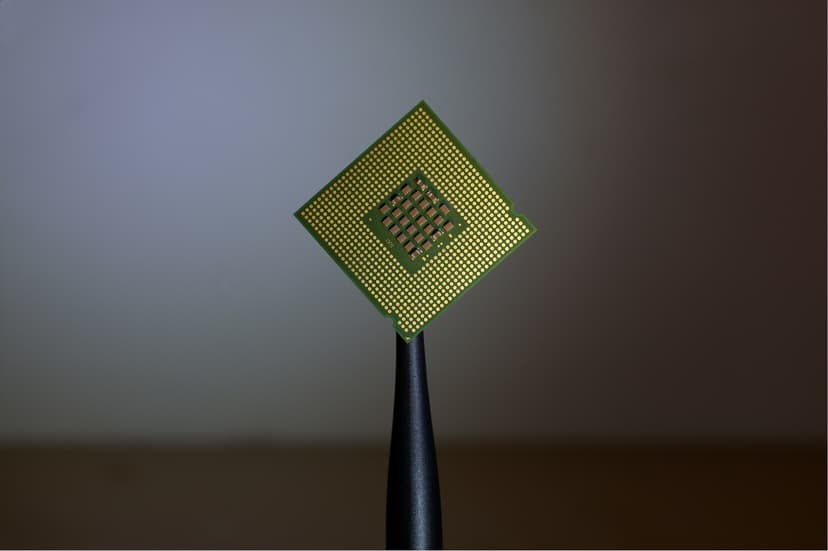
In a significant move, the U.S. Department of Justice (DOJ) arrested two Chinese nationals for allegedly smuggling high-performance AI chips worth "tens of millions of dollars" to China. This incident highlights the tensions in the global AI chip market and U.S. export policies targeting national security concerns.
Opening Analysis
Recent arrests of two Chinese nationals by the U.S. Department of Justice (DOJ) underscore the ongoing challenges of regulating high-performance AI technology export. With "tens of millions of dollars" in chips allegedly smuggled, the spotlight is on international trade policies and their implications on technological development and national security.
Market Dynamics
The incident involving the high-profile smuggling of AI chips brings to the fore the competitive pressures in the global AI market, particularly between the U.S. and China. With the chips suspected to be Nvidia’s H100 GPUs, this event emphasizes the heightened anxiety around technology leadership and export restrictions impacting international relations.
Technical Innovation
The chips in question are noted as some of the most advanced available, designed specifically for AI applications. Nvidia, a leader in AI technology, has denounced any efforts to alter its chip architectures with kill switches or backdoors, citing security vulnerabilities and potential misuse by hostile nations—a crucial point amidst increasing calls for tighter regulatory measures.
Financial Analysis
From a financial perspective, the situation affects Nvidia’s market positioning. Any perceived weaknesses in export compliance and international sales scrutiny could impact investor confidence and future revenue forecasts, notably seen in the company's decision against incorporating intrusive security measures in their software.
Strategic Outlook
The broader strategic debate centers on balancing AI innovation with national security. As the U.S. government evaluates technological export rules, Nvidia argues against compromising chip integrity with tracking technologies, advocating for policies that protect U.S. competitiveness without yielding to knee-jerk regulatory reactions.
Over the next few months, we may see increased regulatory scrutiny, potentially affecting Nvidia's market operations. Long-term, the affair may change the dynamics of U.S.-China tech exchanges, necessitating strategic adaptations by major chip manufacturers.
Key Takeaways:
- Vigilance on U.S. export policies is crucial for tech leaders.
- Nvidia's stance reflects broader industry concerns over cybersecurity.
- Opportunity exists in balancing innovation with regulation to secure market leadership.