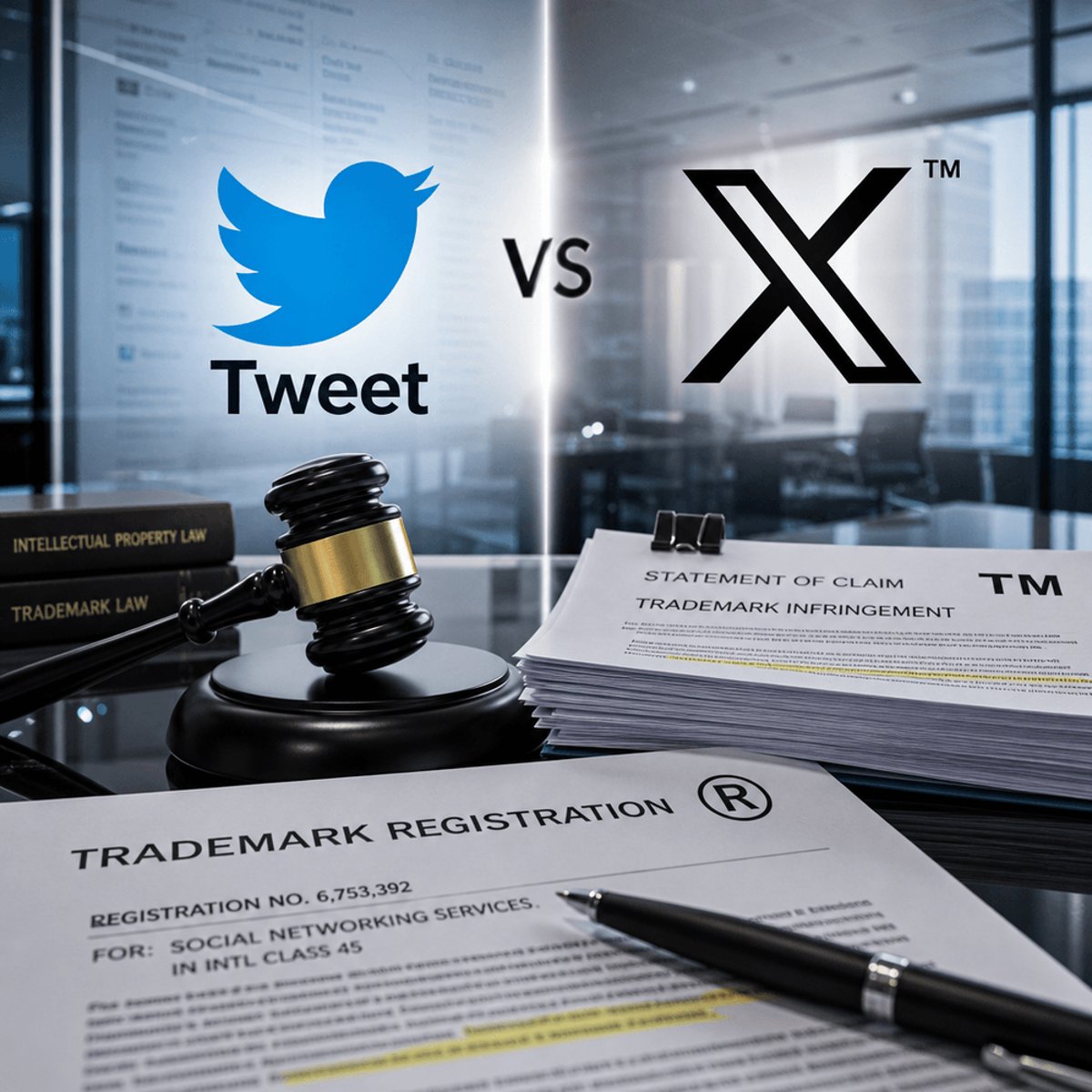
A federal judge just handed down a mixed ruling in the increasingly weird trademark battle over the bones of old Twitter. The court temporarily blocked a scrappy rival from calling itself "Twitter," but in the same breath suggested X may have let the "Tweet" trademark and its iconic bird logo lapse into the public domain, a finding that could reshape how startups build on the wreckage of the platform formerly known as Twitter.
The fight over what's left of old Twitter's brand identity just got a court ruling, and it's not the clean win either side wanted. A federal judge issued a preliminary injunction stopping a rival social app from using the "Twitter" name outright, siding with X on that narrow point. But buried in the same decision is a much bigger problem for Elon Musk's company: the judge found that X likely abandoned the "Tweet" trademark and its old bird logo, according to TechCrunch, which first reported the ruling.
That's a significant crack in X's intellectual property armor. Since Musk rebranded the platform from Twitter to X back in 2023, the company has largely walked away from the old branding, ditching the bird logo, scrubbing "tweet" from the product vocabulary, and pushing users toward calling posts "X posts" instead. Trademark law generally punishes exactly that kind of abandonment. If a company stops actively using a mark and doesn't defend it, courts can rule that the protection lapses, letting competitors pick it up. That's precisely the theory the rival startup leaned on in court, and for now, it appears to be working.
The startup at the center of the case didn't wait around to find out how the rest of the litigation plays out. It's already relaunched under a new name, Tweet.app, sidestepping the injunction on "Twitter" while still leaning into the nostalgia-driven "Tweet" branding the judge seemed sympathetic to. It's a savvy move. Rather than burn cash fighting for the exact word "Twitter," which the court has now blocked, the company gets to keep the emotional resonance of "tweet" as a verb millions of people still use reflexively, even years after Musk tried to kill the term.
This whole saga is a pretty vivid illustration of what happens when a company tries to rebrand a globally recognized product without fully letting go of its old identity. X has spent two years insisting the platform is something new entirely: a so-called "everything app" built around payments, video, and AI-driven features rather than the scrappy microblogging service Twitter used to be. But culturally, the shift never fully stuck. People still say "tweet" constantly, journalists still write "tweeted," and the bird logo still shows up in memes and headlines long after X swapped in its stark black-and-white wordmark. Courts, it turns out, pay attention to that kind of real-world usage gap between what a company claims and what it actually enforces.
For the broader social media landscape, this ruling matters beyond one scrappy app. A slew of Twitter alternatives have popped up since Musk's takeover, from Bluesky to Mastodon to Threads under Meta, all jockeying for users who left X over policy changes, content moderation shifts, or just plain nostalgia for the old bird app. If courts keep finding that X abandoned key pieces of its old trademark portfolio, it opens the door for more of these challengers to lean into familiar branding without fear of a lawsuit shutting them down overnight.
X hasn't issued a public statement on the ruling yet, and it's unclear whether the company plans to appeal the abandonment finding or shift strategy and lean harder into defending what's left of its trademark claims. Given Musk's litigious track record and the company's history of aggressively pursuing legal fights against critics and competitors alike, this is unlikely to be the last chapter. The case will now move forward on the merits, and legal watchers expect X to argue it never fully abandoned "Tweet" or the bird logo, even if usage tapered off dramatically post-rebrand.
What happens next could set a meaningful precedent. If the abandonment finding holds up through further proceedings, expect a wave of competitors to start testing how far they can push "tweet"-adjacent branding without inviting a lawsuit. And for a company that's already juggling advertiser exodus, regulatory scrutiny, and Musk's attention split across Tesla, SpaceX, and various AI ventures, losing grip on even its old trademarks is one more headache X probably didn't need right now.
This ruling is a small but telling crack in X's grip on the branding it inherited from old Twitter. Musk's team fought hard to distance the platform from its former identity, and now a court is essentially holding them to it, suggesting that abandoning a name in practice can mean losing it in law too. For everyday users, the practical impact is minimal, tweet.app is just another app icon. But for the broader ecosystem of Twitter alternatives, it's a signal that the old bird might be more up for grabs than X ever intended, and that's a fight worth watching as it winds through the courts.