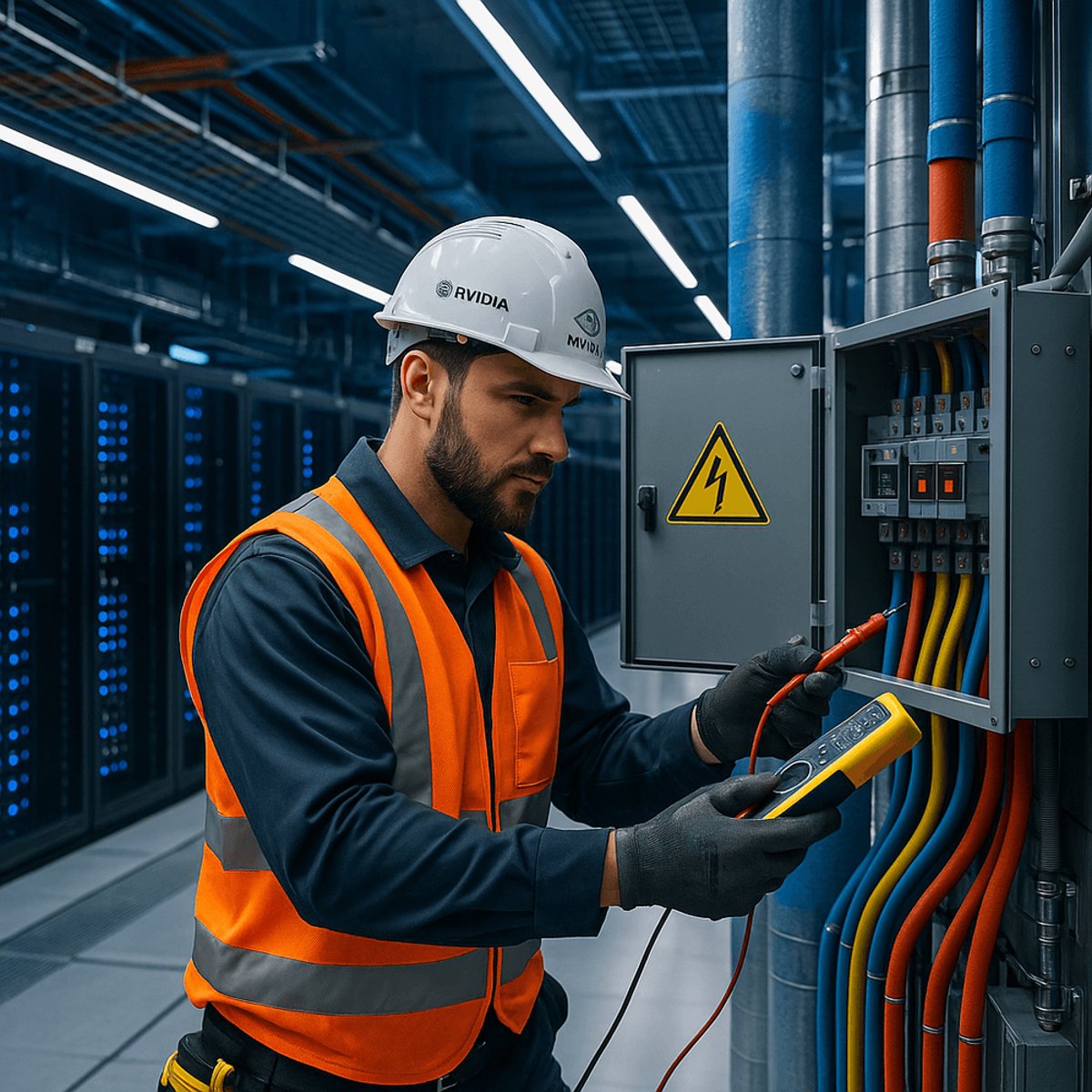
While headlines fixate on AI replacing white-collar workers, a different labor story is unfolding on construction sites across America. The explosive buildout of data centers to power OpenAI, Google, and Microsoft's AI ambitions is creating a gold rush for electricians, HVAC technicians, and construction workers - many commanding salaries that rival their desk-job counterparts.
The irony isn't lost on labor economists. As artificial intelligence stokes anxiety about automating knowledge work, the physical infrastructure required to run those AI models is creating some of the hottest job opportunities in years - and they don't require a computer science degree.
Data center construction has exploded into a $50 billion annual industry, according to industry analysts, with Amazon, Microsoft, Google, and Meta leading a historic buildout. These facilities, which house the servers and cooling systems that power everything from ChatGPT to cloud computing, require specialized skills that can't be outsourced or automated away.
Electricians who can handle high-voltage systems are particularly prized. Modern AI data centers consume as much power as small cities - a single Nvidia H100 GPU cluster can draw several megawatts - requiring expertise in electrical distribution systems that few possess. Industry sources report electricians with data center experience commanding hourly rates exceeding $75, with total compensation packages pushing past six figures when benefits and overtime are factored in.
HVAC technicians face similar dynamics. AI chips generate tremendous heat, and keeping servers cool is mission-critical. A single hour of downtime at a major data center can cost millions, making the technicians who maintain precision cooling systems indispensable. Specialized roles like controls technicians who manage building automation systems are seeing salary premiums of 30-40% above standard commercial construction rates.
The talent crunch isn't just about wages. Trade unions and technical schools report they can't train workers fast enough to meet demand. Programs that once struggled to fill classes now have waiting lists. Some tech companies have started funding their own apprenticeship programs, a reversal from the industry's traditional focus on software engineering pipelines.
What makes this boom different from previous construction cycles is the technical sophistication required. These aren't generic office buildings. Data centers demand knowledge of redundant power systems, liquid cooling infrastructure, and increasingly, AI-specific requirements like direct-to-chip cooling for next-generation processors. Workers who can bridge traditional trades with emerging technology are writing their own tickets.
The geographic spread of opportunity is notable too. While tech jobs concentrate in coastal hubs, data centers are sprouting in states like Virginia, Texas, Ohio, and Iowa - driven by power availability, tax incentives, and land costs. This is redistributing economic opportunity to regions that missed out on the first wave of the tech economy.
Construction firms specializing in data center work report turning down projects due to lack of qualified labor. Some are poaching entire crews from competitors, offering signing bonuses and retention packages once reserved for software engineers. The worker shortage has become severe enough that project timelines are stretching 6-12 months longer than planned, potentially slowing AI infrastructure deployment.
Yet the opportunity comes with challenges. The work is physically demanding, often in remote locations, with tight deadlines driven by tech companies racing to deploy AI capabilities. And there's no guarantee the boom will last forever - though with AI adoption still in early innings, most analysts expect robust demand through the end of the decade at minimum.
For workers, the calculus is straightforward. Trade skills that were already in demand pre-AI are now commanding premium pay with strong job security. Many are earning more than their college-educated peers, without student loan debt. It's a tangible counternarrative to AI anxiety - proof that new technology creates jobs even as it displaces others, just not always where people expect.
The AI revolution's labor impact is turning out more nuanced than dystopian headlines suggest. Yes, automation threatens certain white-collar roles. But the massive physical infrastructure required to make AI work is creating blue-collar opportunities that can't be coded away. For skilled trade workers willing to specialize in data center work, the next few years represent a rare moment when demand vastly outstrips supply - and the compensation reflects it. The real question isn't whether AI will eliminate jobs, but whether America can train workers fast enough to build the infrastructure the AI economy demands.