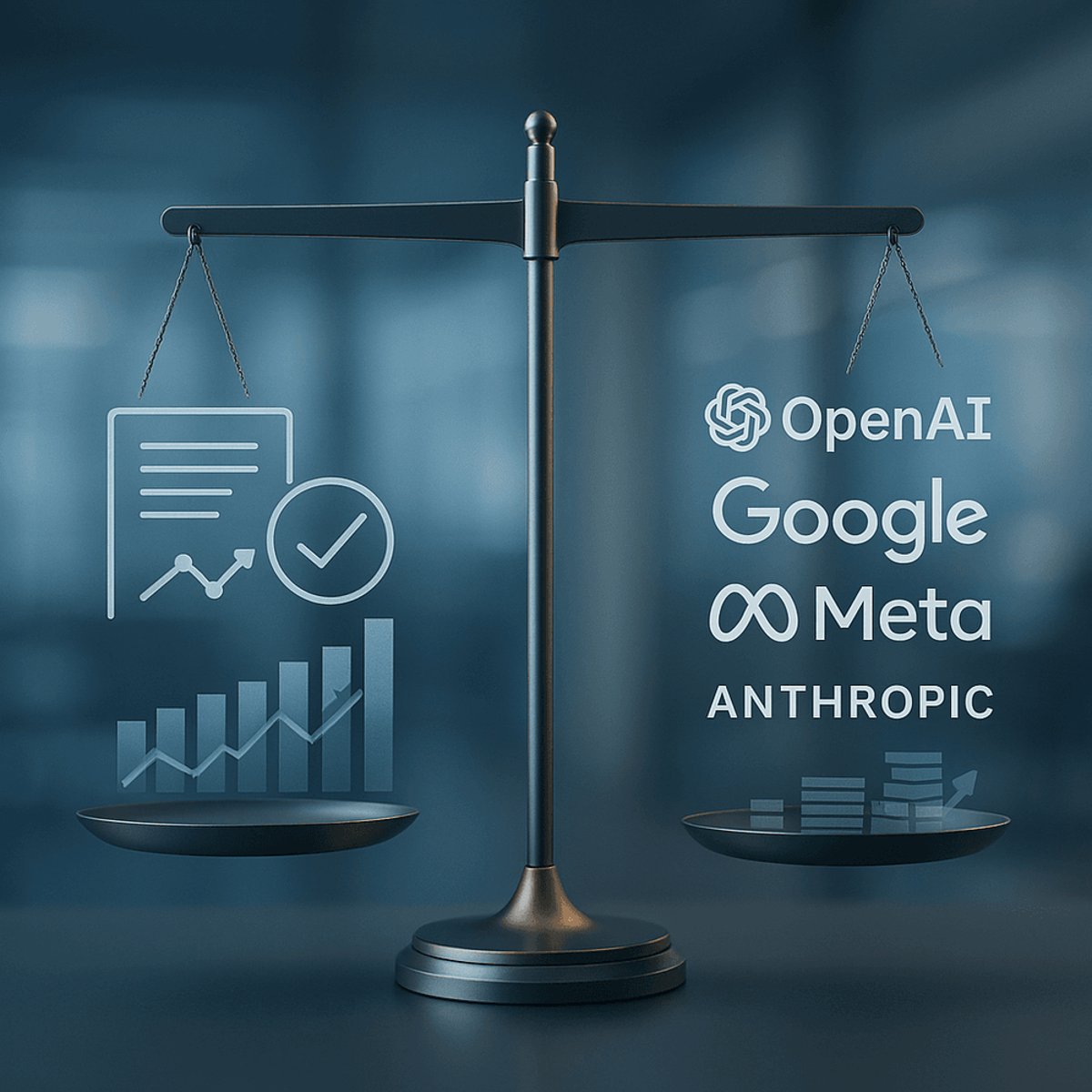
The AI industry has a new kingmaker, and it's raising uncomfortable questions about who watches the watchers. Arena, the benchmarking platform formerly known as LM Arena, has quietly become the most influential leaderboard for frontier language models—dictating funding rounds, launch timing, and PR cycles across the industry. But there's a twist: the companies being ranked are the same ones writing the checks. In just seven months, what started as a UC Berkeley PhD research project has transformed into the de facto arbiter of AI model performance, and not everyone's comfortable with the arrangement.
Every week, AI labs refresh their browsers obsessively, watching for movement on one particular leaderboard. When OpenAI, Google, or Meta drops a new model, the first question isn't about capabilities or use cases—it's about where it lands on Arena's rankings.
Arena started as an academic exercise at UC Berkeley, a crowdsourced approach to evaluating large language models through blind head-to-head comparisons. Users would chat with two anonymous models simultaneously, then pick the better response. Simple, democratic, hard to game. The methodology resonated because it bypassed the usual benchmark gaming that plagued static test sets.
But somewhere between the research paper and today, Arena crossed a line from neutral observer to market-moving infrastructure. The platform now influences when companies launch models, how VCs value AI startups, and where engineers choose to work. A top-five ranking on Arena has become shorthand for "frontier model"—a label that unlocks capital, talent, and partnerships.
Here's where it gets complicated. Arena is funded by the companies it ranks. The same labs competing for leaderboard supremacy are writing checks to keep the lights on. According to TechCrunch, this funding relationship has developed as Arena transitioned from academic project to commercial entity.
The pitch from Arena is that the methodology itself is incorruptible. Because rankings emerge from millions of anonymous human preferences rather than curated test sets, no single company can manipulate the results. The wisdom of crowds, they argue, keeps things honest even when the money doesn't flow cleanly.
But that assumes the platform's design choices are neutral—which models get included, how ties are broken, how frequently rankings update, whether certain use cases are weighted more heavily. These are editorial decisions that shape outcomes, and they're being made by a team that takes money from the competitors.
The AI benchmarking wars have always been messy. Traditional benchmarks like MMLU and HumanEval were gamed into irrelevance within months of publication. Labs would train specifically to ace these tests, producing models that performed brilliantly on benchmarks but poorly in production. Arena's human preference approach was supposed to fix that—you can't train your way to better small talk or more helpful coding suggestions if real users are the judges.
Yet even human preference data has biases. Early Arena rankings favored verbose, confident-sounding responses over accurate but cautious ones. Models that hedged their answers—often the more truthful approach—ranked lower than models that delivered wrong information with conviction. Arena has since adjusted its methodology, but each tweak raises the question: who decides what "better" means?
The competitive pressure is intense. When Anthropic launched Claude 3 last year, the company's blog post led with its Arena ranking before discussing actual capabilities. Google delayed a Gemini update specifically to improve its Arena position, according to sources familiar with the decision. These aren't vanity metrics—they're signals that move markets.
For smaller AI labs, the stakes are even higher. A strong Arena debut can mean the difference between a successful Series B and struggling to raise at all. Investors use the leaderboard as due diligence shorthand, a quantified proxy for model quality that's easier to pitch to LP's than nuanced technical evaluations.
Arena insists the funding doesn't compromise independence. The platform operates with Chinese walls between its evaluation team and commercial partnerships. Model submissions are processed blindly. The crowd-sourced evaluation pool is too large and distributed to influence systematically.
But independence isn't just about preventing active corruption—it's about avoiding even the appearance of conflicts that could undermine trust. When the referee takes money from the teams, every close call looks suspicious. Every methodology change gets scrutinized for which companies benefit.
The deeper issue is that the AI industry desperately needs credible benchmarking, but hasn't figured out how to fund it sustainably. Academic researchers can't maintain the infrastructure required to evaluate frontier models at scale. Government agencies move too slowly. Independent nonprofits struggle to attract talent that could earn five times as much at the labs themselves.
So Arena found a business model: charge the companies that need benchmarking credibility to maintain the platform that provides it. It's pragmatic, maybe inevitable, but it creates exactly the incentive misalignment that undermines the whole enterprise.
Arena's meteoric rise from UC Berkeley side project to industry kingmaker reveals a fundamental tension in AI infrastructure. The industry needs credible, independent evaluation—but hasn't built sustainable funding models that don't compromise that independence. As long as the companies being judged are the ones paying the judges, every ranking will carry an asterisk. The question isn't whether Arena's methodology is sound today, but whether the funding structure can maintain credibility as billions in market value hang on leaderboard position. For now, Arena remains the best benchmarking option available. That says more about the lack of alternatives than the strength of the solution.