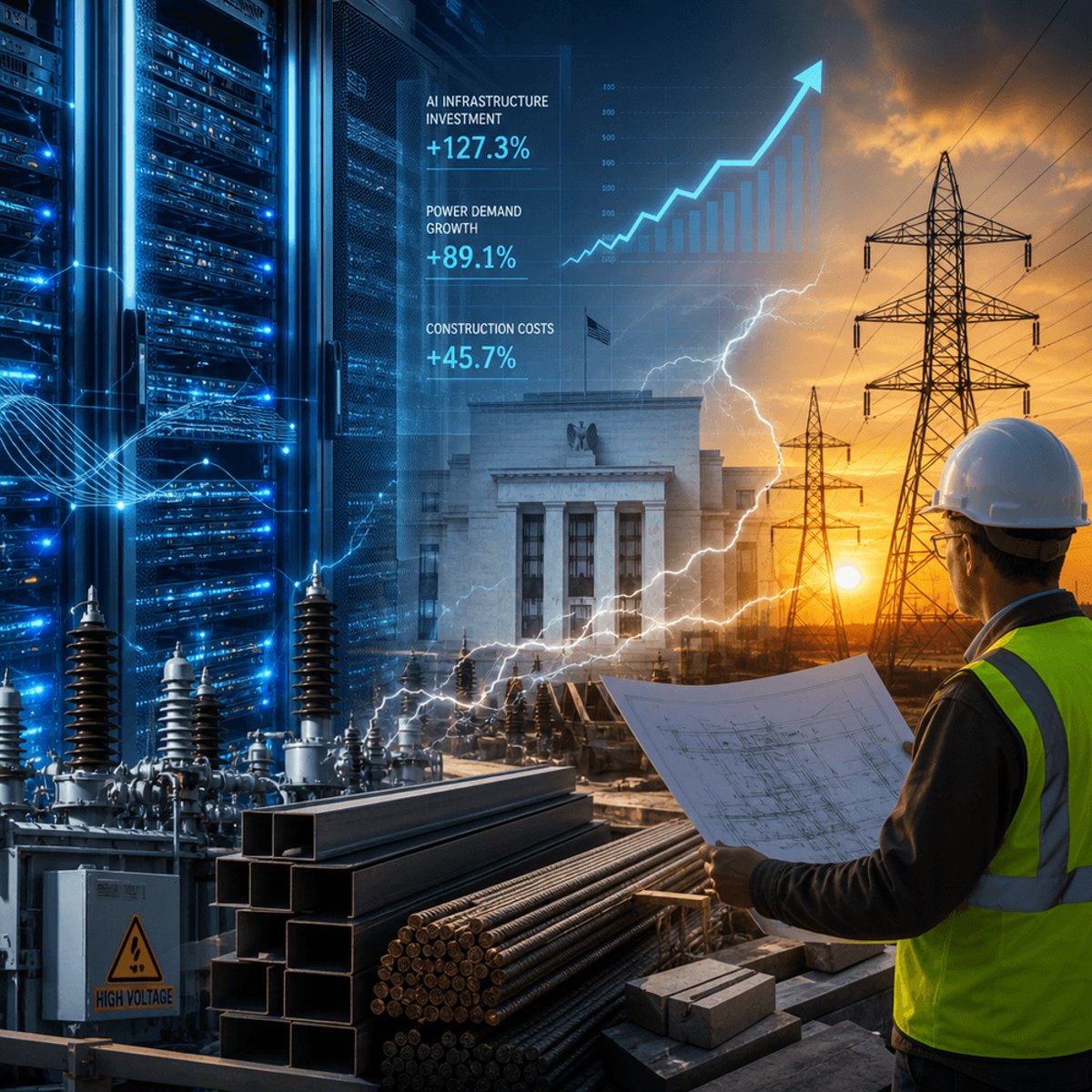
The artificial intelligence revolution is creating an unexpected problem for monetary policymakers. While tech leaders promise AI will eventually slash costs across the economy, the reality unfolding now tells a different story. The massive infrastructure buildout required to power AI systems is driving up prices for everything from electricity to construction materials, creating fresh inflation pressures just as the Federal Reserve thought it had tamed rising costs. It's a classic case of short-term pain colliding with long-term promises, and the Fed is caught in the middle.
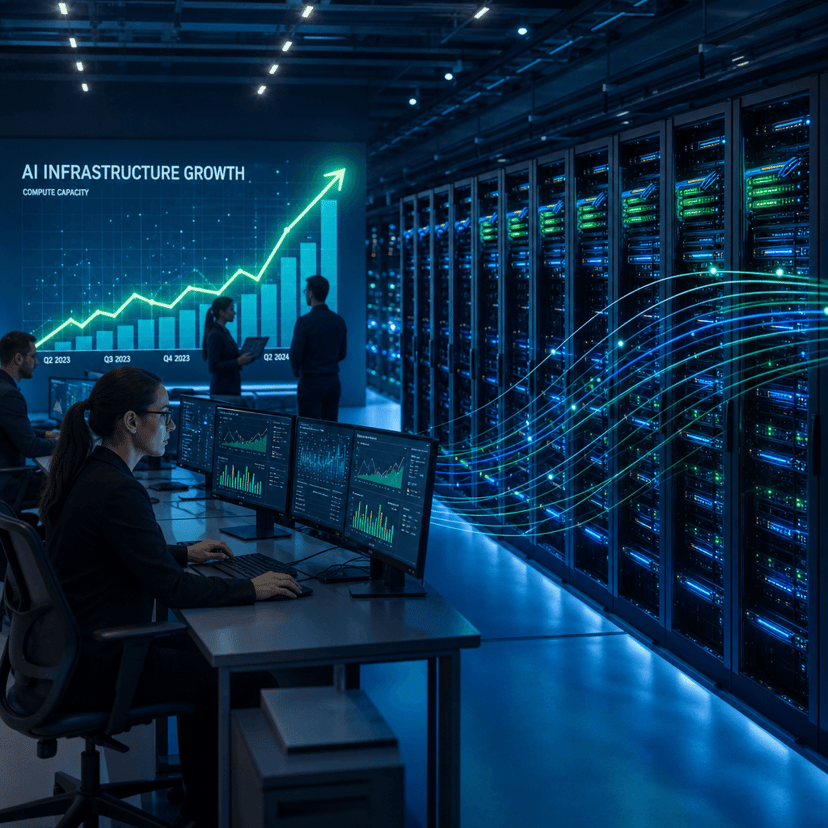
The numbers tell a story that should make Federal Reserve officials nervous. Microsoft, Google, Meta, and Amazon are collectively spending over $200 billion annually on AI infrastructure, a figure that's grown 60% year-over-year. But here's the catch - while executives at these companies tout AI as the ultimate productivity enhancer that'll drive deflation, the buildout itself is having the opposite effect right now.
Data centers don't materialize out of thin air. They require massive amounts of concrete, steel, specialized cooling systems, and most critically, power infrastructure. Lots of it. Energy consumption from AI training and inference is creating localized electricity shortages in key markets. In Northern Virginia, home to the world's largest concentration of data centers, wholesale power prices jumped 23% in the past year. Similar spikes are hitting Dublin, Amsterdam, and Singapore - all major data center hubs.
The construction boom is equally problematic. Specialized contractors who build hyperscale facilities are booked solid through 2028. Lead times for critical equipment like transformers and backup generators have stretched from six months to nearly two years. That scarcity is pushing prices higher across the board, and those costs eventually filter through to the broader economy.
What complicates the Fed's calculus is the disconnect between infrastructure spending and actual productivity gains. Tech leaders promised AI would rapidly transform business operations, automating tasks and slashing labor costs. But corporate adoption is moving slower than the hype suggested. Small and mid-sized businesses report they're still figuring out how to effectively deploy AI tools. The productivity dividend that's supposed to offset these infrastructure costs? It's not showing up in the data yet.
This creates a timing problem that monetary policymakers hate. The Fed operates in the present, managing inflation as it exists today, not as it might exist in some AI-powered future. Current core inflation readings are already running above the Fed's 2% target, and AI infrastructure spending is adding fuel to that fire. Fed officials can't ignore today's price pressures based on promises about tomorrow's efficiency gains.
The semiconductor angle makes things worse. Every new data center needs thousands of advanced chips, primarily from Nvidia. That demand is keeping chip prices elevated and creating bottlenecks throughout tech supply chains. Memory, storage, and networking equipment are all facing similar constraints. It's 2021's supply chain chaos, but this time driven by AI demand rather than pandemic disruptions.
Energy markets are feeling the strain most acutely. Utility companies are scrambling to upgrade grids and build new generation capacity. But power plant construction takes years, meaning supply can't quickly adjust to meet this surge in demand. The result is higher electricity costs that hit everyone - not just tech companies. Industrial users and households are paying more because data centers are consuming an ever-larger share of available power.
Some regional economies are starting to push back. Local governments that once welcomed data centers for tax revenue are now questioning whether the infrastructure strain is worth it. Water usage for cooling systems is becoming contentious in drought-prone areas. Community opposition is slowing new projects, which ironically could make the supply constraints worse.
The Fed's dual mandate - maximum employment and stable prices - is creating a policy tightrope. Raising rates to combat infrastructure-driven inflation risks choking off the very AI investments that could eventually deliver deflationary productivity gains. But keeping rates too low allows inflation pressures to build. There's no clean answer.
Wall Street is watching this tension closely. Tech stocks have rallied on AI promises, but if the Fed is forced to keep rates higher for longer because of infrastructure inflation, those valuations could face pressure. Bond markets are already pricing in expectations that rate cuts will come slower than previously anticipated.
The disconnect between AI's promise and its current economic impact is stark. In earnings calls, tech CEOs talk about AI driving unprecedented efficiency. In Fed meetings, policymakers are analyzing data showing construction costs rising, energy prices jumping, and productivity growth remaining stubbornly flat. Both things can be true, but they're operating on very different timelines.
What happens next depends partly on how quickly AI actually delivers on its productivity promises. If businesses start seeing real efficiency gains within the next year, the deflationary effects could offset infrastructure inflation. But if adoption continues to lag while spending surges, the Fed may have no choice but to tighten policy to prevent inflation from becoming entrenched.
The AI infrastructure boom represents a classic economic inflection point where long-term potential collides with short-term reality. The Fed can't make policy based on what AI might deliver years from now - it has to respond to the inflation pressures happening today. For tech companies betting hundreds of billions on AI's transformative power, the race is on to demonstrate actual productivity gains before policymakers lose patience. The next 12 to 18 months will reveal whether AI's deflationary promise can overcome its inflationary buildout, or whether the Fed will be forced to tap the brakes on this technological revolution.