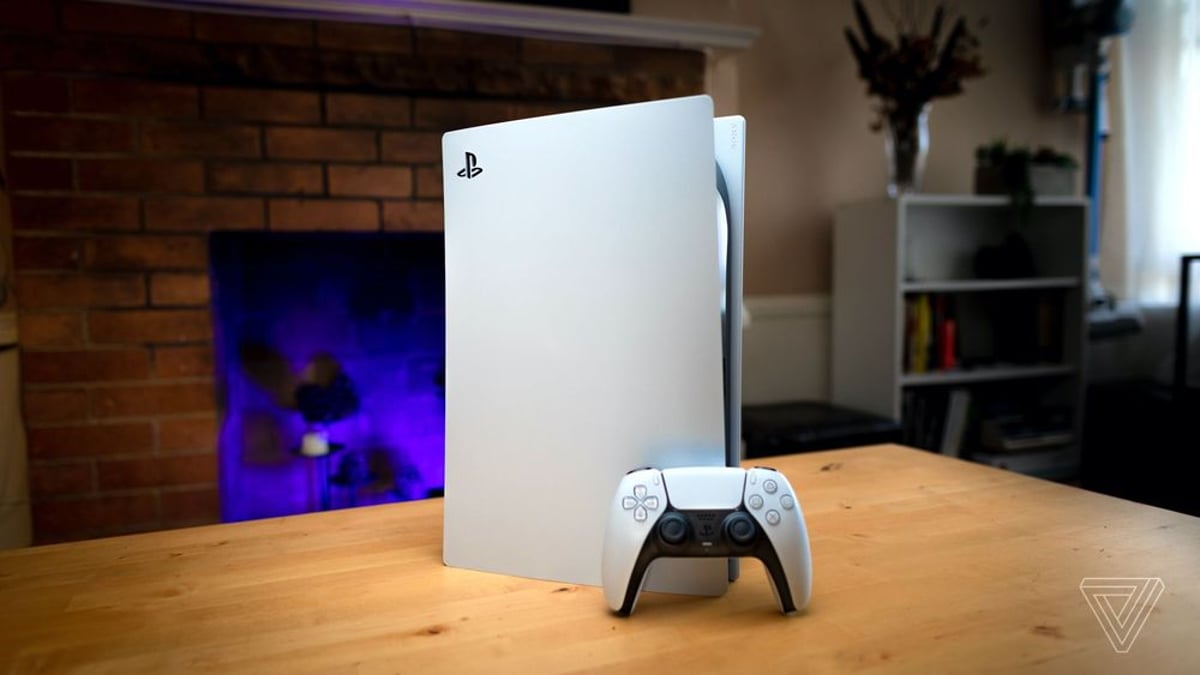
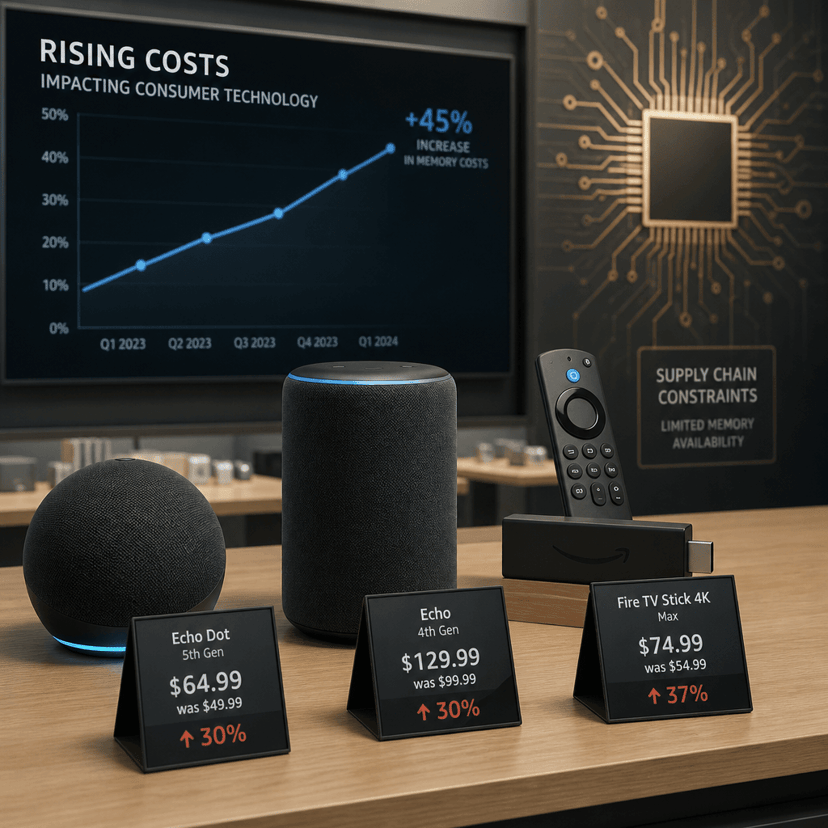
The AI boom is hitting gaming hardware hard. Sony is considering pushing its next PlayStation console back to 2028 or even 2029, while Nintendo may hike the Switch 2's $450 price tag - all because AI data centers are gobbling up the world's supply of memory chips. According to industry sources cited by Bloomberg, the RAM shortage represents a fundamental shift in how chip makers allocate production, with profound implications for consumer electronics.
Sony just got dealt a harsh reality check about who really controls the chip market these days. The company is eyeing a potential delay of its next-generation PlayStation console to 2028 or possibly 2029, according to industry sources who spoke with Bloomberg. The culprit? AI data centers are eating up memory chip production at a pace that's leaving traditional consumer electronics makers scrambling.
This isn't just a minor scheduling hiccup. Sony has maintained a remarkably consistent cadence since entering the console wars, launching new PlayStation generations every six to seven years since the original debuted in 1994. A delay to 2028 would mark eight years since the PS5's 2020 launch, while 2029 would stretch it to nine - territory Sony's never ventured into before.
Nintendo is feeling the squeeze too, but it's taking a different approach. Rather than delay its recently launched Switch 2, the company may bump up the console's $450 price tag to offset skyrocketing memory costs. That's a tough pill for consumers already stretching budgets in an uncertain economy, but it beats waiting years for new hardware.
The root cause traces back to the explosive growth in AI infrastructure spending. Tech giants like Microsoft, Google, and Amazon are building massive data centers packed with GPUs and high-bandwidth memory to power their AI ambitions. Nvidia alone has consumed extraordinary volumes of HBM (high-bandwidth memory) for its H100 and newer Blackwell chips, creating unprecedented demand that's reshaping the entire semiconductor supply chain.
Memory manufacturers including Samsung, SK Hynix, and Micron have responded by shifting production capacity toward these lucrative AI contracts. The problem for gaming companies is that data center customers pay premium prices and order in massive volumes - economics that make consumer electronics orders less attractive by comparison. What used to be a diversified customer base for memory makers has tilted heavily toward AI infrastructure.
The RAM shortage affecting PC builders that emerged earlier this year is now rippling through the entire consumer tech ecosystem. Gaming consoles require substantial amounts of high-speed memory - the PS5 packs 16GB of GDDR6 RAM, while the Switch 2 uses 12GB. That's not trivial allocation when chip makers are prioritizing 80GB+ configurations for AI accelerators.
For Sony, the delay calculation involves more than just component availability. The company needs to weigh whether launching a memory-constrained console at inflated prices damages the PlayStation brand more than waiting out the shortage. Console generations define gaming ecosystems for nearly a decade, so getting the specs and pricing wrong has lasting consequences.
Industry watchers note this represents a fundamental power shift in the semiconductor market. For years, consumer electronics drove chip innovation and production volume. Now AI infrastructure calls the shots, and companies like Sony and Nintendo are learning they're no longer the priority customers they once were.
The situation also raises questions about Microsoft's Xbox roadmap, though the company hasn't publicly commented on memory constraints affecting its next console plans. Microsoft's deep pockets and existing Azure data center relationships might give it leverage that Sony lacks when negotiating with memory suppliers.
Gaming hardware delays could have cascading effects on the broader ecosystem. Game developers plan releases around console cycles, while retailers stock inventory based on hardware availability. A multi-year PlayStation delay would force the entire industry to recalibrate expectations and strategies.
What makes this particularly tricky for Sony is that the PS5 is already showing its age compared to high-end PC gaming rigs. Extending its lifespan to 2028 or beyond risks making the PlayStation platform feel stale just as competitors potentially gain access to memory supplies. It's a calculated gamble that the console market will remain supply-constrained across the board, preventing rivals from capitalizing on Sony's delay.
The memory chip crunch reveals how AI infrastructure has fundamentally reordered tech industry priorities. Consumer electronics giants that once commanded supplier attention now find themselves competing for scraps while data center operators feast on premium allocations. For gamers, that means waiting longer for new hardware or paying more for current-gen consoles. The bigger question is whether this represents a temporary supply shock or a permanent reshuffling of the semiconductor pecking order. If AI demand remains insatiable through 2027 and beyond, traditional hardware makers may need to rethink their entire approach to product planning and supply chain relationships. Sony and Nintendo are just the first to blink - they won't be the last.