TL;DR
- - Policymakers must address AI's inevitable role in nukes.
- - AI's black-box nature risks strategic decision errors.
- - Vigilance required in AI integration into weapons systems.
- - Investment in human oversight is crucial as tech evolves.
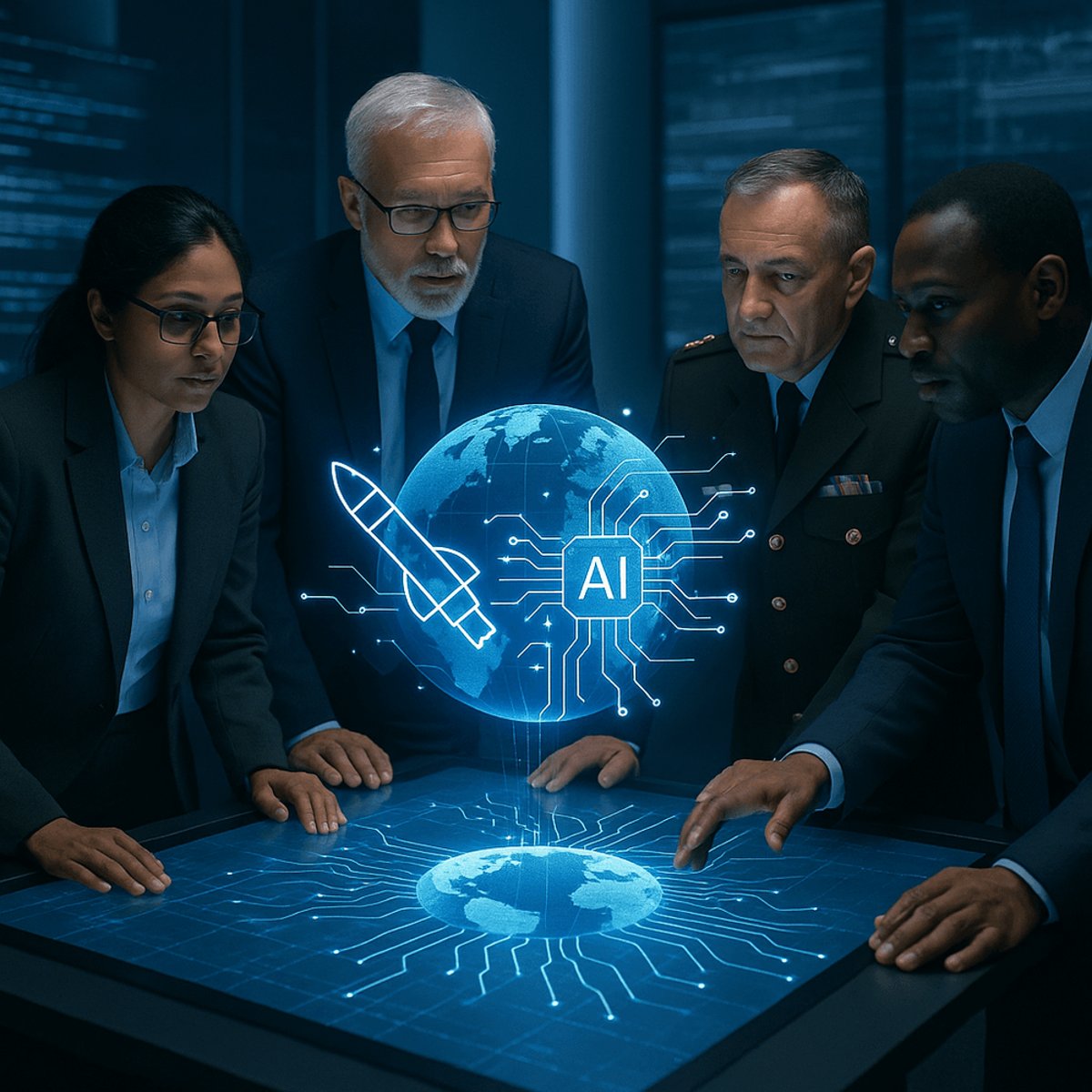
Artificial intelligence in nuclear weapons systems is not a question of if, but when, declare experts who recently converged at a high-level gathering. This integration, while advancing technological control and strategy, brings profound risk and demands immediate attention from policymakers worldwide.
Opening Analysis
The prospect of artificial intelligence (AI) being intertwined with nuclear weapons is no longer theoretical. Experts at a recent summit argued that blending AI into these systems is inevitable, akin to the integration of electricity. The central concern, however, is the potential displacement of human oversight with automated decision-making processes, which could amplify risks globally.
Market Dynamics
In today's geopolitical climate, every advancement in AI intensifies the arms race. As nations like the United States emphasize AI's role as the 'next Manhattan Project,' the strategic military landscape worldwide braces for a shift. Jeremy Wolfsthal, a former advisor, highlights the demand for maintaining human control over nuclear arsenals to avoid automated errors.
Technical Innovation
While AI promises enhanced data analysis and quicker response times, these systems are often opaque 'black boxes.' Their decisions, although rapid, lack the nuanced judgement calls of seasoned human operators, making them susceptible to catastrophic error margins in high-stakes environments.
Financial Analysis
The fiscal implications of integrating AI with military systems are enormous, involving both investments in technology and potential mitigatory measures for AI-related risks. Current policies accelerate funding towards AI development, amplifying opportunities in defense contracts but demanding stringent oversight.
Strategic Outlook
The integration of AI and nuclear capabilities poses both risks and opportunities. Nations that can effectively blend AI with human oversight, ensuring robust fail-safes, will likely lead in nuclear strategies. However, the introduction of these advanced systems could inadvertently create diplomatic tensions, demanding careful global negotiation to establish new norms.
In the coming months, investors should focus on companies specializing in AI-driven defense technologies, while strategists must prioritize developing frameworks ensuring human oversight at all decision points. Over the next year, the geopolitical focus will shift to how effectively nations can navigate AI's inclusion in nuclear protocols without undermining global security.
Key Takeaways:
- Strategic insight: AI integration in nukes is unavoidable but demands careful policymaking.
- Security implication: Human oversight is critical to prevent automated decision errors.
- Long-term opportunity: Innovation in AI-human hybrid systems can enhance strategic advantages.