TL;DR
- - Alexa+ brings model-agnostic AI to smart homes.
- - Slow performance and errors mar the user experience.
- - Potential for agentic AI not fully realized.
- - Revisiting AI-driven assistants as evolving market strategy.
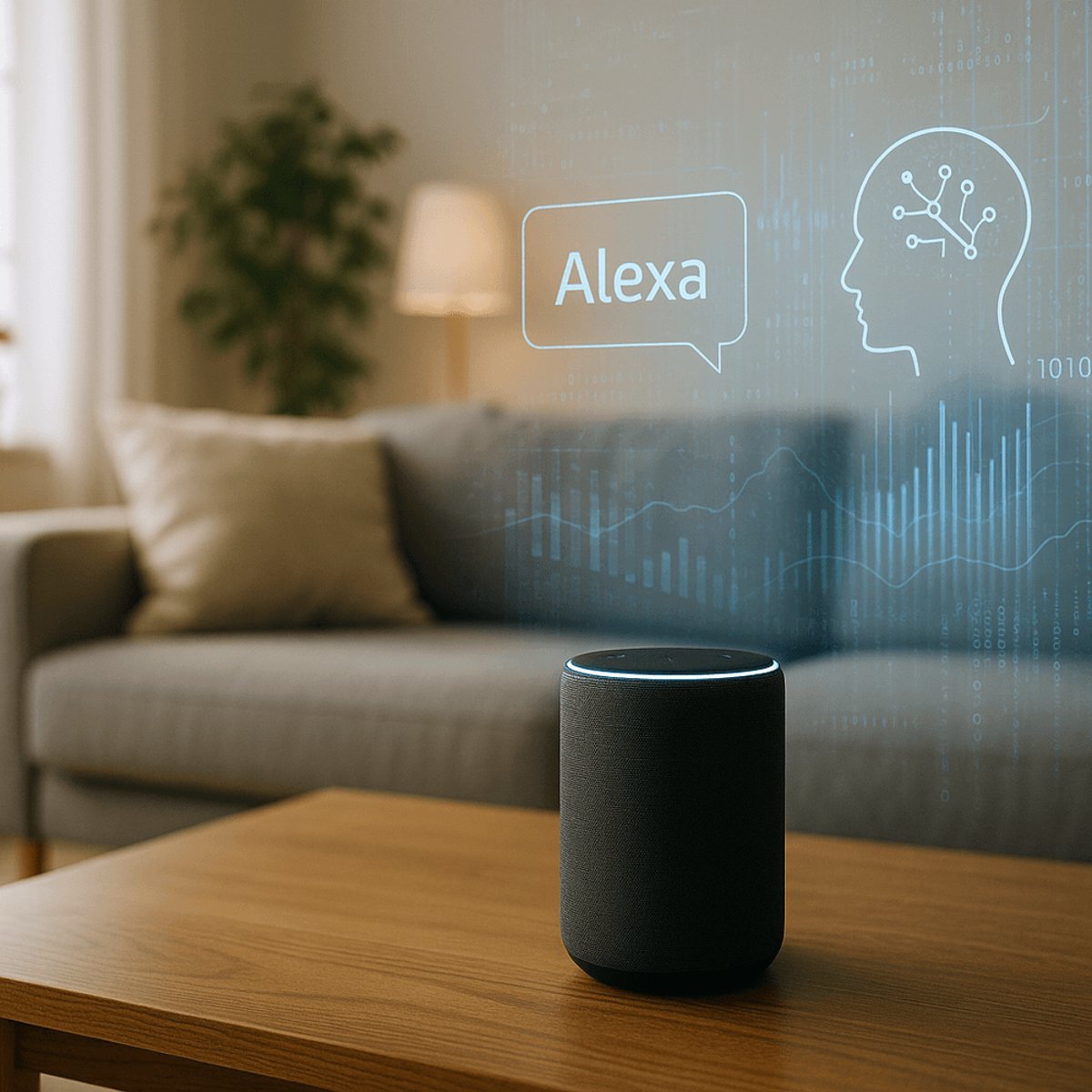
Alexa's transformation with generative AI marks a pivotal shift for Amazon's assistant. Unveiled in February 2025, Alexa+ promises enhanced functionalities similar to ChatGPT, aiming to redefine smart home interactions. But how does Alexa+ fare in real-world scenarios? This article delves into the setup and performance of Alexa+ to offer key insights on what works and what's lagging.
Opening Analysis:
Amazon's latest upgrade to its voice assistant, Alexa+, embedded with generative AI, is an ambitious leap to redefine smart home dynamics. Announced in February 2025, the transition claims more nuanced interaction capabilities, leveraging generative AI for scheduling, managing user preferences, and executing online tasks directly. With technological advancements like a model-agnostic architecture using Anthropic and Amazon Nova, Alexa+ should nominally outclass predecessors by seamlessly integrating learning and adaptation into its functionalities. However, real-world applications seem to illustrate a different picture.
Deep Dive Sections:
Market Dynamics:
The smart assistant marketplace has been revolutionized significantly with advancements in AI and machine learning, as demonstrated by ChatGPT and other models, which challenge traditional voice assistants to evolve or become obsolete. Amazon’s Alexa+, powered by generative AI, steps into an already competitive field, aiming to reclaim ground and reestablish itself as the premier choice for smart home automation.
Technical Innovation:
Alexa+'s breakthrough lies in its ability to use any model necessary in real time, thanks to its model-agnostic capability. Despite lofty promises, tests reveal fundamental flaws—delayed responses, system errors, and an underwhelming situational awareness. These shortcomings overshadow Alexa+’s goal of refining digital assistant interactions.
Financial Analysis:
Amazon’s investment into generative AI for Alexa+ reflects substantial financial commitment, betting on transformed consumer interaction patterns to capture and maintain market leadership. However, unless these technical challenges are resolved swiftly, consumer confidence could wane, affecting broader financial forecasts for the service.
Strategic Outlook:
Despite initial setbacks, the strategic importance of Alexa+ in home ecosystems remains high, with potential improvements expected as Amazon resolves operational deficiencies. The integration of agentic AI—AI that can independently perform online activities for users—could revolutionize not just smart homes but extend Alexa+’s relevance into e-commerce and utility domains. Still, competitors loom large, threatening Amazon's prime position in voice-enabled AI, pressing a need for rapid, visible improvements.
Conclusion:
Key Takeaways:
- Alexa+'s introduction of model-agnostic, generative AI shows promise but execution needs refinement.
- Immediate performance and error-proofing are critical to remain competitive.
- Full achievement of Alexa+'s potential in agentic AI represents a major opportunity for future market leadership.