TL;DR
- - Robot-operated hotels like Henn na enhance safety and efficiency
- - Room rates average below $100, made possible by automation
- - Hybrid human-robot models becoming standard in Japan
- - Investing in AI-driven hospitality could yield competitive advantages
In an era of automation, Japan's Henn na Hotels are transforming travel with robots handling front-desk duties and guest services, offering a glimpse into the future of hospitality. As COVID-19 accelerates touchless tech demand, these hotels promise not only enhanced safety but also operational efficiency, potentially revolutionizing the industry. But what does this mean for traditional service roles and guest expectations?
Opening Analysis
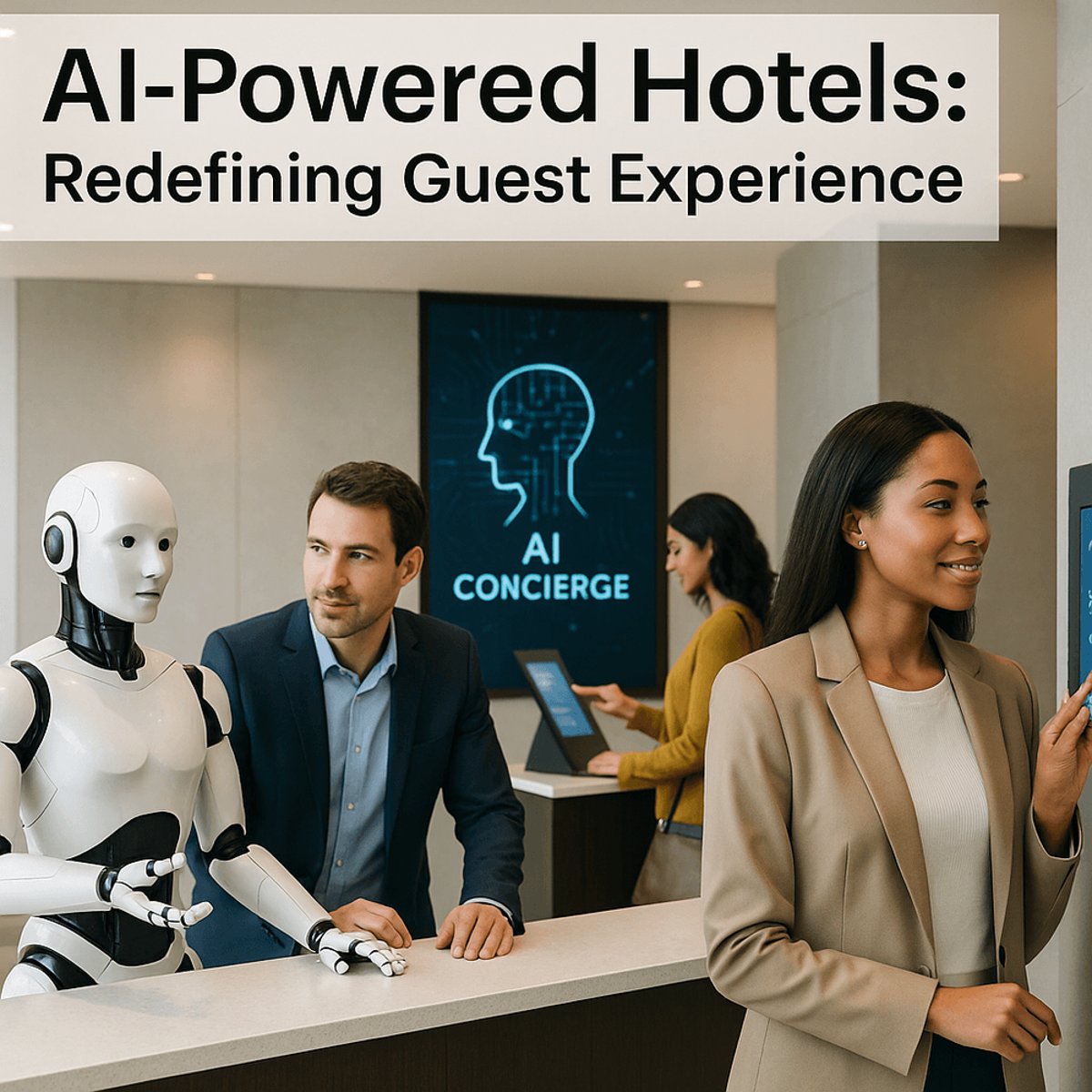
Japan's Henn na Hotels showcase a daring integration of AI into hospitality, replacing humans with robots to manage tasks such as check-ins, room temperature adjustments, and even concierge services. This move aligns with broader global trends toward automation, driven by a need for greater efficiency and a reduction in human contact post-pandemic. By installing humanoid robots, Henn na not only cuts operational costs but also redefines user experience in hospitality—a sector traditionally reliant on human touch.
However, the transition has not been seamless. Initial iterations saw robotic mishaps, notably virtual assistants responding to ambient noises like snoring, prompting the removal of some automated services. Yet, persistent demand for automated systems, bolstered by the pandemic, signifies a shifting landscape in consumer expectations.
Market Dynamics
With Japan leading in robotic integration, the hospitality industry is witnessing competitive shifts. Globally, hotel chains are exploring similar models, inspired by the positive reception and operational success of Henn na. Still, barriers remain. Regions with robust labor markets may not experience the same urgency or feasibility for full robotic transitions, but the appeal of lowering costs and addressing staff shortages is universally attractive.
Technical Innovation
AI involvement in hotels spans far beyond basic mechanized tasks. Advanced humanoid robots like those at Henn na can perform linguistically diverse interactions and manage numerous guest queries. The prospects extend further, with robots potentially taking on complex personalization tasks, driven by machine learning and AI capabilities to enhance guest satisfaction.
For instance, Sharp-developed robots at specific Henn na locations perform various services, including managing room conditions and providing entertainment, advancing the value proposition for technologically savvy travelers.
Financial Analysis
The decision to employ technology over human labor is financially motivated. At Henn na, reduced dependency on human staff means reduced wages and related expenses, allowing for competitively low room rates of under $100 per night. In turn, this model frees up budgets for technology investments and maintenance, crucial for sustaining the robots operationally. Moreover, as robots service round the clock, guest satisfaction rises due to enhanced reliability and consistency.
Strategic Outlook
The ongoing labor shortage and demographic challenges in Japan forecast a greater reliance on robotic assistance. Henn na's hybrid model—blending human oversight with robotic consistency—proposes a strategic blueprint adaptable across industries. The key lies in optimizing robot-human collaboration, ensuring technology amplifies rather than replaces service experiences.
In the next 3 to 6 months, we might expect an uptick in robotic deployments at certain hotels globally. Looking further ahead, over 1 to 2 years, as technology matures, AI-driven hotels could become attractive business models for investors considering sustainability and innovation as competitive differentiators.
Key Takeaways:
- AI Integration: Successfully lowers costs and boosts efficiency.
- Robot-Human Hybrid Model: Provides adaptable service strategies globally.
- Future Forward: As tech matures, AI-driven hospitality offers growth opportunities.