TL;DR
- - Google's AI search is said to not drastically reduce traffic for all websites.
- - Some sites experience decreased traffic while others gain, according to Google.
- - Future trends show AI as a growing referral source, yet doesn't offset declining search traffic.
- - Strategic: Understand click quality over click volume for digital strategy adjustments.
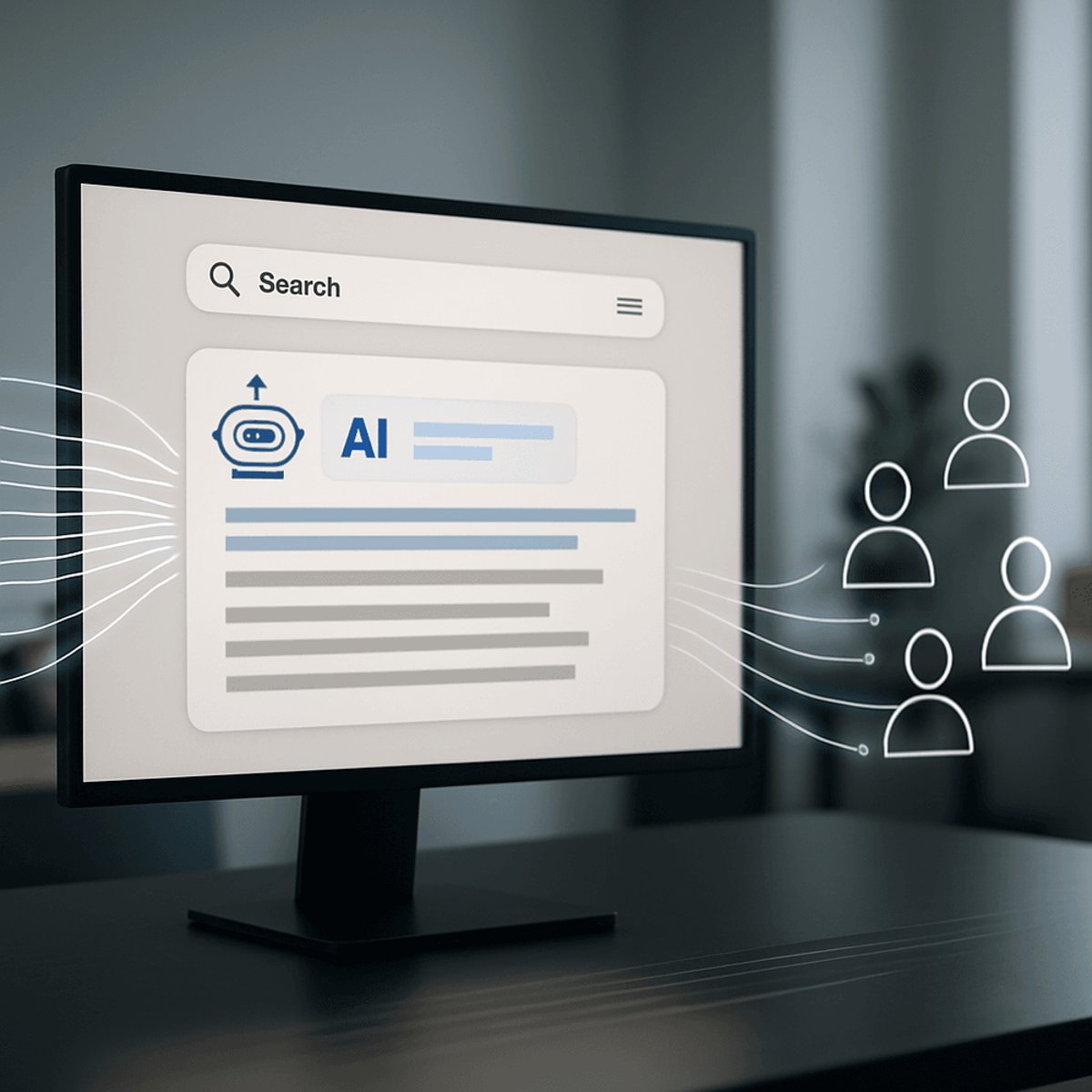
Is Google's AI-driven search makeover actually draining traffic from publishers' websites, or is it merely a shift in user trends? Google asserts that AI isn't damaging overall traffic, but industry analysis offers a more complex narrative for web publishers.
Opening Analysis
Google's assertion: AI hasn't tanked traffic to publisher sites overall, emphasized in its latest blog post (Google's Blog). While some studies suggest AI-driven features like chatbots and overview panels might cripple web traffic, Google maintains its search engine's organic click rates remain stable.
Immediate impact: Despite Google's reassurances, many web publishers report declines in traffic, pointing to increased search features directly answering user queries on the result pages.
Industry Positioning: Competing data paint a more intricate picture, suggesting Google’s AI capabilities may affect traffic variably, intensifying the ongoing discourse about AI's role in market dynamics.
Market Dynamics
The competitive landscape involves shifts where traditional search forms are being challenged by AI-centric technologies and social platforms like TikTok and Instagram. About 40% of young users prefer these to Google for information searches, jeopardizing Google's primacy.
Technical Innovation
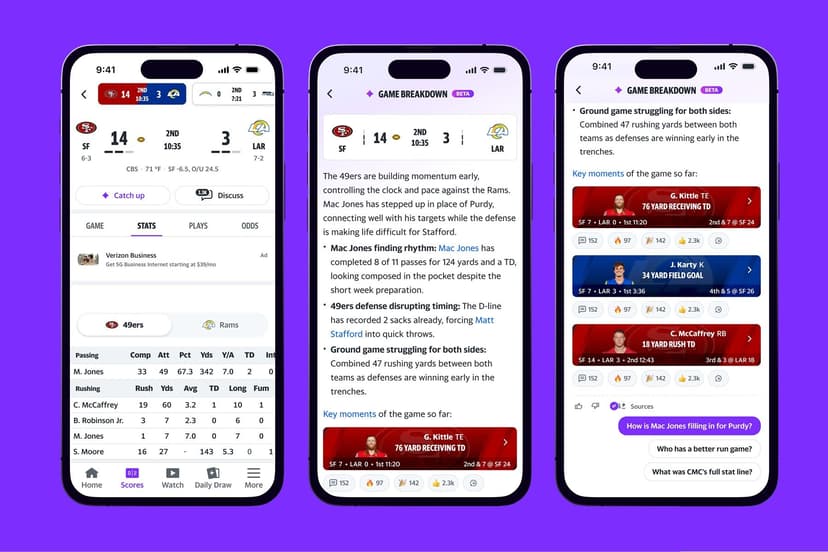
Google implements AI Overviews that deliver instant answers, potentially eliminating the need for a click-through. However, Google maintains that AI click quality is higher, emphasizing user satisfaction over sheer visitor numbers.
Financial Analysis
Though Google has not provided explicit financial metrics, Similarweb reports show increasing numbers of search queries result in zero clicks to news sites, from 56% to 69% within a year after AI features launched. This indicates a notable shift in viewer habits, directing them towards rich snippets rather than websites.
Strategic Outlook
Looking forward, websites must adapt strategies focusing on higher engagement rather than just clicks. While AI indeed delivers visitors, publishers need to capitalize on deep-linked content and interactive features to enhance user retention. The landscape presents both challenges and opportunities for those willing to innovate beyond traditional SEO models.
Key Takeaways:
- Websites should focus on click quality rather than quantity.
- Google's AI may alter traffic dynamics, requiring strategic content adaptation.
- Growth in AI referrals offers potential, but not as direct search replacements.