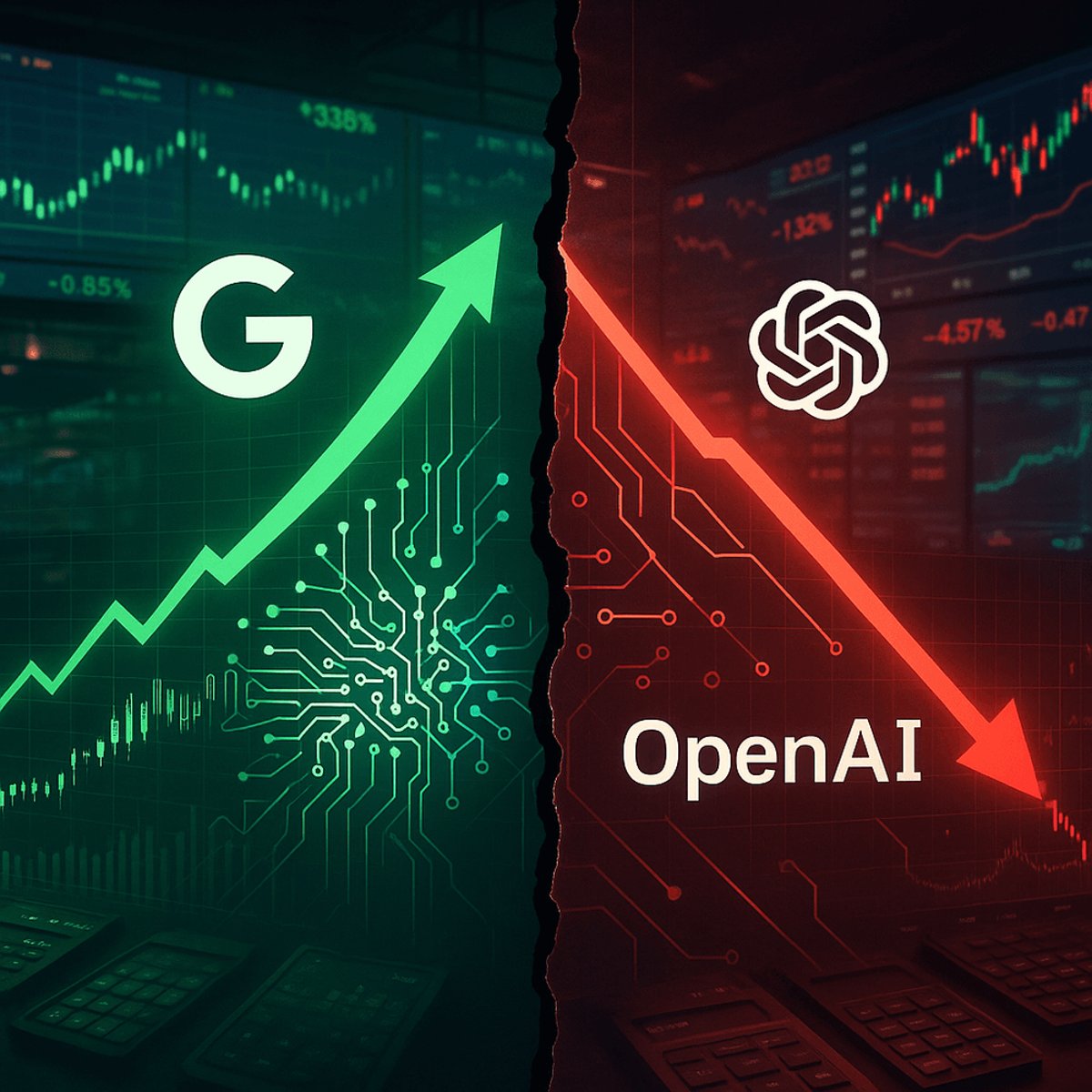
The great AI stock convergence is over. After years of moving in lockstep, artificial intelligence companies are finally trading on their own merits, with Google's ecosystem surging while OpenAI partners stumble. CNBC's Jim Cramer sees this divergence as a healthy reality check for investors who've been treating AI as one massive trade.
The AI trade that's defined markets for the past two years just cracked wide open. Google's ecosystem is roaring while OpenAI's allies get hammered, marking the end of an era where artificial intelligence stocks moved as one massive bloc.
"The Google complex cohort roared while the OpenAI complex got hammered," CNBC's Jim Cramer told viewers Sunday night. "Meanwhile, the hyperscalers with great balance sheets held up much better than the ones with strained balance sheets."
The divergence is stark and sudden. Companies tied to OpenAI - including Nvidia, Oracle, Microsoft, and AMD - are trailing behind Google's partners like Broadcom and Celestica. The shift reflects growing investor preference for Gemini over ChatGPT, plus mounting concerns about OpenAI's massive spending commitments.
This isn't just market noise - it's a fundamental realignment. For nearly three years, AI stocks moved together regardless of their actual business models or financial health. Whether you made chips, cloud services, or software, the AI label meant automatic correlation. That's breaking down as investors finally dig into the details.
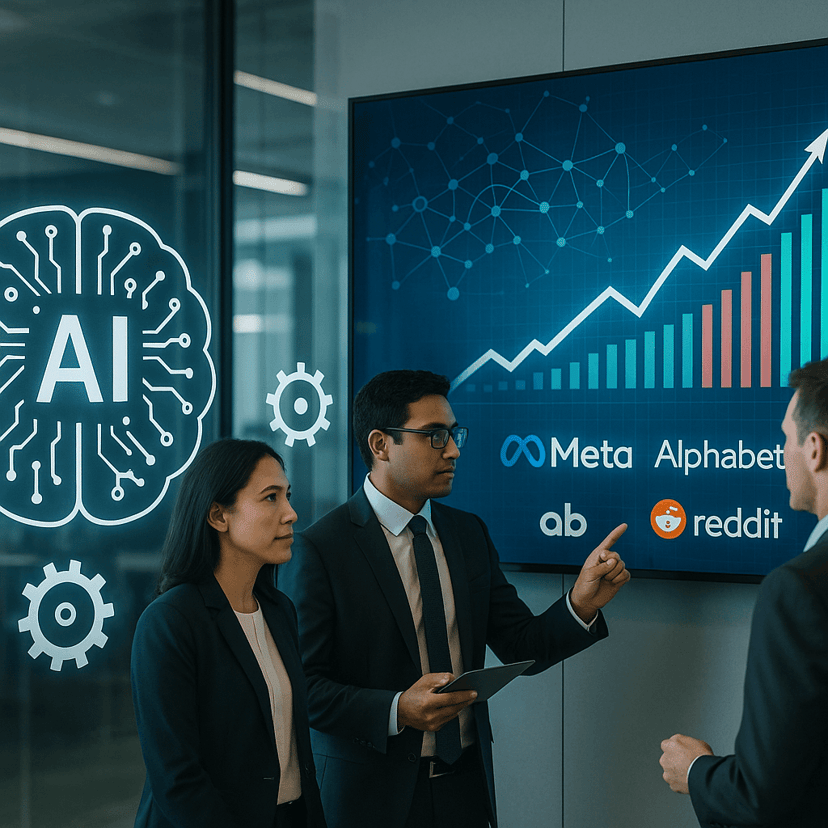
The balance sheet divide is becoming crucial. Hyperscalers with deep pockets - Google, Meta, and Amazon - can keep pouring billions into AI infrastructure while competitors strain under the capital requirements. Oracle, CoreWeave, and Nebius are among those facing tighter financial constraints, according to Cramer's analysis.
Nvidia offers a perfect example of how complex this gets. The chip giant took hits over competition fears and its OpenAI ties, despite just reporting a blowout quarter with demand still exceeding supply. The stock's suffering not from fundamentals, but from guilt by association as investors sour on the ChatGPT ecosystem.
The Gemini momentum is real and measurable. Google's latest AI model is winning developer mindshare, translating directly into stock performance for companies in its orbit. Broadcom, which makes custom chips for Google's AI infrastructure, has surged as investors bet on this platform shift. Celestica, manufacturing Google's hardware, is riding the same wave.
But Cramer warns this could flip again quickly. "Things change very fast in the AI space, so what was true last month might not necessarily stay true this month or next year," he cautioned. Another platform could easily surpass Gemini, reshuffling the entire ecosystem again. The AI arms race moves at internet speed.
What's encouraging is that investors are finally asking the right questions. Instead of buying everything with 'AI' in the pitch deck, they're evaluating actual competitive positions, cash flows, and strategic partnerships. The indiscriminate rally always felt unsustainable - how could every AI company be equally positioned to win?
"There was always something unsettling about the entire AI cohort rallying in lockstep," Cramer admitted. The diversification forces companies to prove their specific value rather than riding the sector's coattails. Microsoft's OpenAI partnership now looks riskier than Amazon's diversified AI approach.
This shift has major implications beyond individual stock picks. It suggests the AI market is maturing from speculation to evaluation. Companies can't just promise AI transformation - they need to show actual revenue, margins, and sustainable competitive advantages. The easy money phase is ending.
The AI gold rush phase is officially over, replaced by a more nuanced market that's actually evaluating these companies on merit. While this creates more volatility in the short term, it's ultimately healthier for both investors and the industry. Companies that can demonstrate real AI advantages and sustainable economics will pull ahead, while those riding purely on hype will get left behind. For investors, this means doing actual homework instead of buying the AI basket - exactly what a mature market should demand.