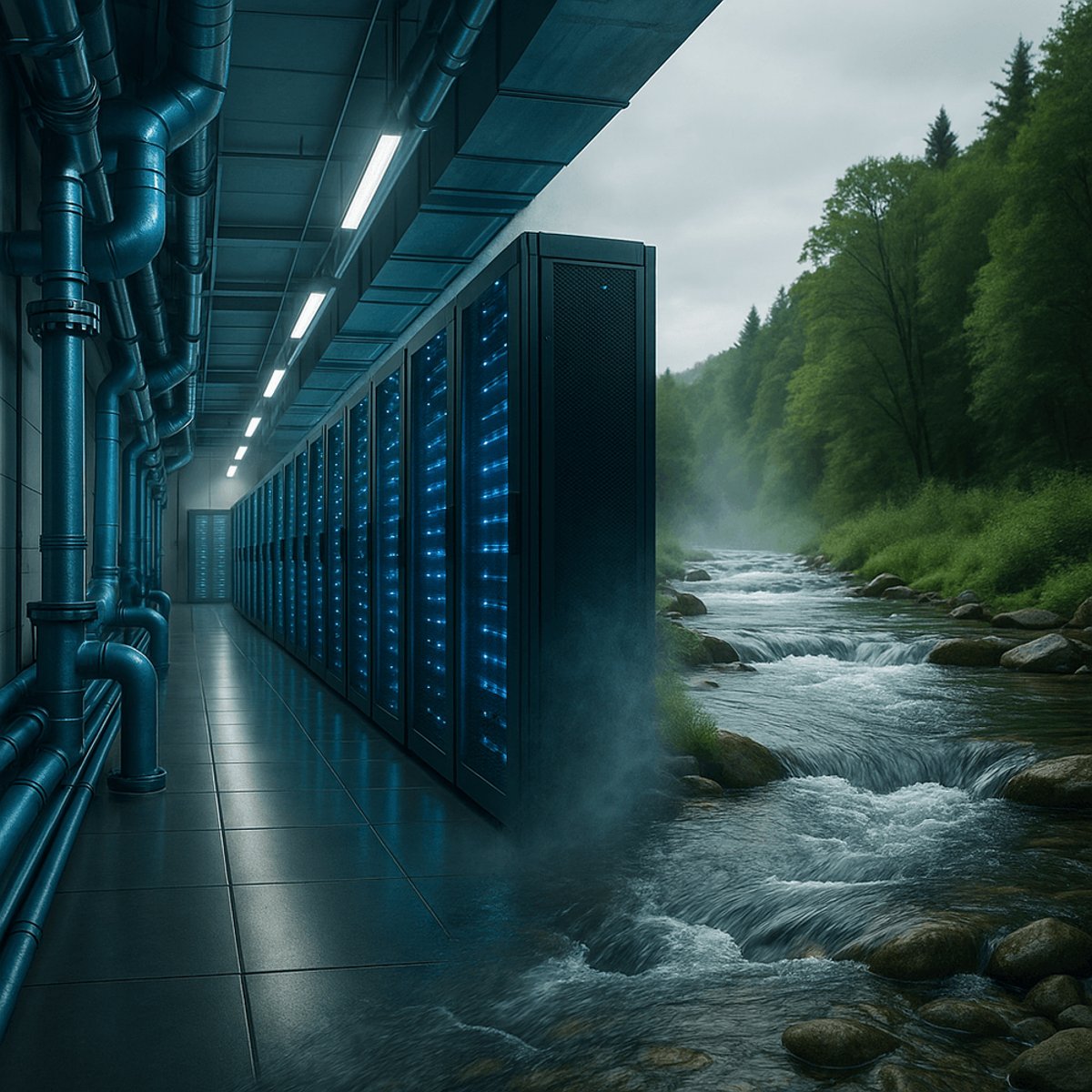
OpenAI CEO Sam Altman ignited fresh controversy Friday by dismissing water consumption concerns around AI infrastructure as "fake" and defending the industry's massive energy footprint by comparing it to human resource use. The remarks, delivered at an industry summit, mark the most direct pushback yet from a major AI leader against mounting environmental scrutiny as data centers consume unprecedented levels of electricity and water for cooling systems.
OpenAI CEO Sam Altman just threw gasoline on the AI sustainability debate. Speaking Friday at an industry summit, Altman dismissed concerns about artificial intelligence's water consumption as "fake" and defended the sector's enormous energy appetite by arguing that "humans use energy too."
The remarks represent the most aggressive defense yet from a top AI executive as the industry faces mounting pressure over its environmental footprint. Data centers powering large language models like ChatGPT consume millions of gallons of water daily for cooling systems, while electricity demands threaten to strain power grids from Iowa to Ireland.
Altman's water comments directly contradict recent research showing AI training facilities use vast quantities of freshwater. A single ChatGPT conversation can consume the equivalent of a 500ml bottle of water, according to researchers at University of California, Riverside. Microsoft and Google have both reported double-digit percentage increases in water usage tied directly to AI operations, with Microsoft's consumption jumping 34% in 2023 alone.
But Altman isn't backing down. His comparison of AI energy use to human consumption suggests OpenAI plans to push back harder against environmental critics rather than apologize for resource demands. The strategy marks a notable departure from the industry's previous approach of acknowledging concerns while promising future efficiency gains.
The timing is particularly fraught. OpenAI is reportedly planning its next-generation model release, which will require even more computational power and cooling infrastructure. The company recently signed deals for additional data center capacity, including facilities in water-stressed regions that have drawn criticism from environmental groups.
Competitors are watching closely. Google has emphasized its carbon-neutral data centers and renewable energy investments, while Meta touts efficiency improvements in its AI infrastructure. Altman's confrontational stance could force other CEOs to choose between defending resource use or differentiating themselves on sustainability.
The "humans use energy too" argument echoes similar defenses from cryptocurrency mining advocates, who faced backlash for electricity consumption before many operations moved to renewable sources. But AI's resource demands dwarf crypto's scale. Training a single large language model can emit as much carbon as five cars over their entire lifetimes.
Industry insiders suggest Altman's comments reflect growing frustration inside OpenAI with what executives view as unfair targeting. The company argues that AI's productivity gains and potential solutions to climate challenges justify current resource use. Internal projections reportedly show AI helping optimize everything from power grid management to materials science for better solar panels.
But environmentalists aren't buying it. The defensive posture from OpenAI comes as several states consider regulations limiting data center water use during droughts. Arizona recently blocked permits for new facilities in some counties, while Oregon is reviewing cooling requirements. If more jurisdictions follow suit, AI companies could face real constraints on expansion plans.
The water issue particularly stings because it's visible and measurable. While companies can buy renewable energy credits to offset electricity use, there's no equivalent for water consumption. Communities near data centers have reported wells running dry and reservoirs depleting faster than expected, creating local opposition that's harder to spin.
Altman's willingness to call concerns "fake" also risks alienating potential allies. Several prominent investors have pushed portfolio companies to improve sustainability metrics, and major corporate customers increasingly demand environmental accountability from vendors. Microsoft, OpenAI's largest investor and partner, has committed to being water positive by 2030.
The comments could energize critics who argue AI companies are prioritizing growth over responsibility. With OpenAI reportedly pursuing another funding round that could value the company above $100 billion, environmental impact is becoming a standard due diligence question from limited partners and strategics alike.
Altman's combative stance marks a potential inflection point for AI's environmental reckoning. Rather than continuing the tech industry's pattern of acknowledging problems while promising solutions, OpenAI's CEO is betting that AI's benefits justify its costs and that concerns are overblown. The gamble could either inoculate the industry against regulatory pressure or accelerate it, depending on whether data supports his claims or vindicates critics. Either way, the days of AI companies quietly addressing sustainability concerns behind the scenes appear to be over. With OpenAI leading the charge, expect more executives to pick sides in what's becoming AI's first major public policy fight.