TL;DR
- - Amazon's earnings beat estimates, but guidance disappointed
- - AI spending reaches $100B, still awaits tangible revenue impact
- - AI-driven services critical for future growth but need patience
- - Consider balanced AI investment to hedge short-term volatility
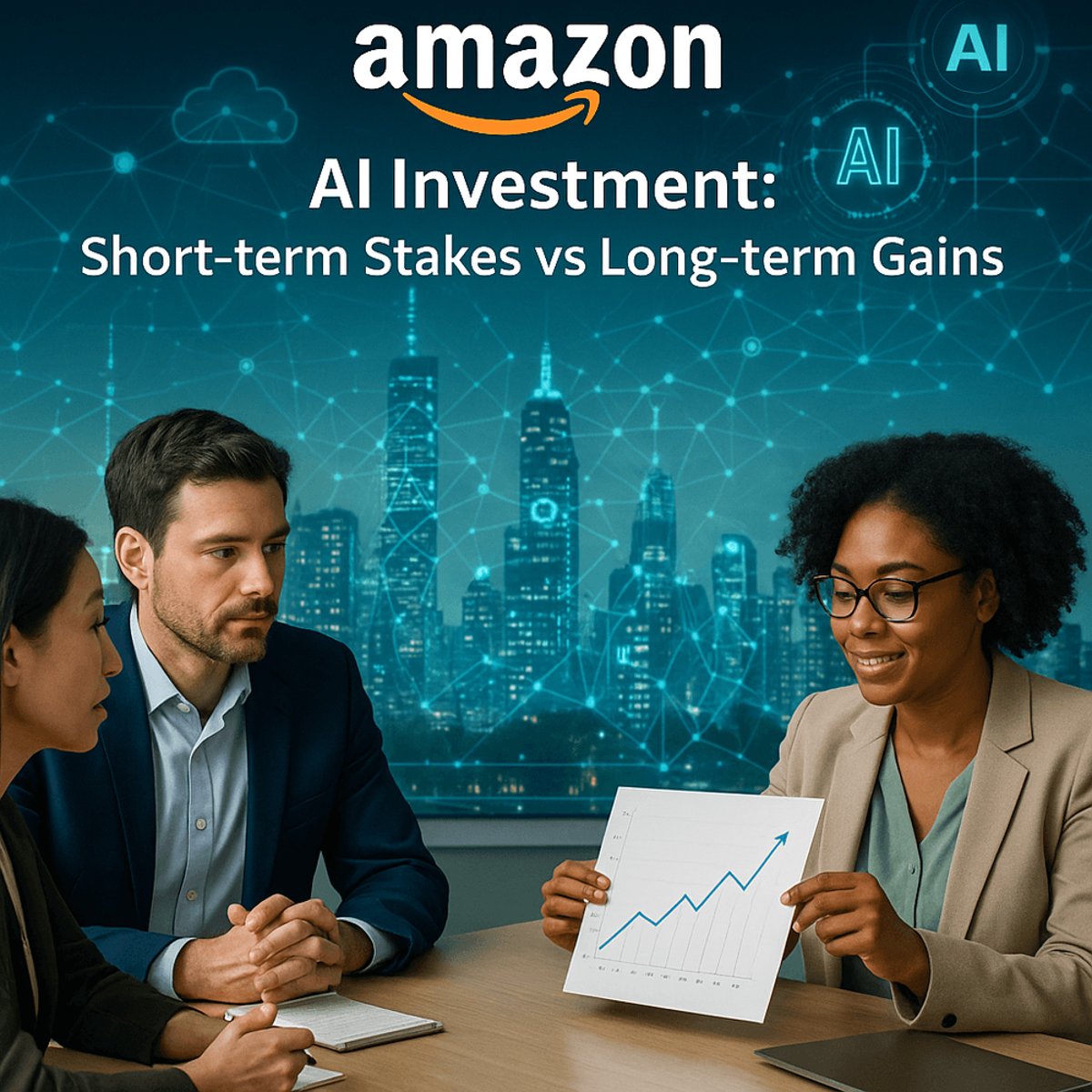
Amazon's recent earnings report paints a mixed picture, with better-than-expected results overshadowed by a cautious forecast. This article delves into why Amazon's substantial AI investments are shaking up the market, despite temporarily unnerving investors focused on immediate returns.
Opening Analysis
Amazon's Q2 earnings left some investors uneasy despite stronger-than-expected revenue and earnings per share. Shares slid by over 7% after the firm provided a somewhat conservative operating income forecast for the upcoming quarter. Expectations from AI investments are high, and the market’s focus is on whether these are short-term stumbles en route to a long-term payoff.
Market Dynamics
Amazon's standing as a cloud leader with AWS is under challenge as competitors like Microsoft and Google invest heavily in AI technologies. AWS reported an 18% revenue increase year-over-year, yet Microsoft Azure and Google Cloud are growing faster, at 39% and 32% respectively. Expanding AI capabilities is a strategic imperative for Amazon to maintain its market position against these fast-growing rivals.
Technical Innovation
Amazon has committed up to $100 billion this year towards building AI-focused infrastructure, including data centers and new software capabilities. CEO Andy Jassy highlighted AI's role in enhancing customer experience and operational efficiencies. However, the market awaits concrete impacts from these investments, suggesting a careful watch on rollout and adoption metrics.
Financial Analysis
Amazon achieved $167.7 billion in revenue for Q2, surpassing Wall Street predictions of $162.09 billion. Advertising revenues soared 23% year-over-year, emphasizing a growing diversification away from retail and AWS. While immediate returns on AI spend are uncertain, the core business shows robust performance metrics, providing a cushion for investment pacing.
Strategic Outlook
In the next 3-6 months, Amazon may face volatility as investor patience wears thin given high AI upfront costs without immediate returns. Longer term (1-2 years), AI success could solidify Amazon's leadership with a diversified service offering across sectors like retail, cloud, and emerging business lines. Balancing AI-driven ventures with the core business will be key as the company navigates its dual priorities of immediate stability and future innovation.
Key Takeaways:
- Amazon’s cautious guidance raises questions on near-term impacts of AI investments.
- Strategic positioning in AI could yield massive future growth but needs careful execution.
- A diversified approach leveraging current strengths could balance short-term risks while pursuing innovation.