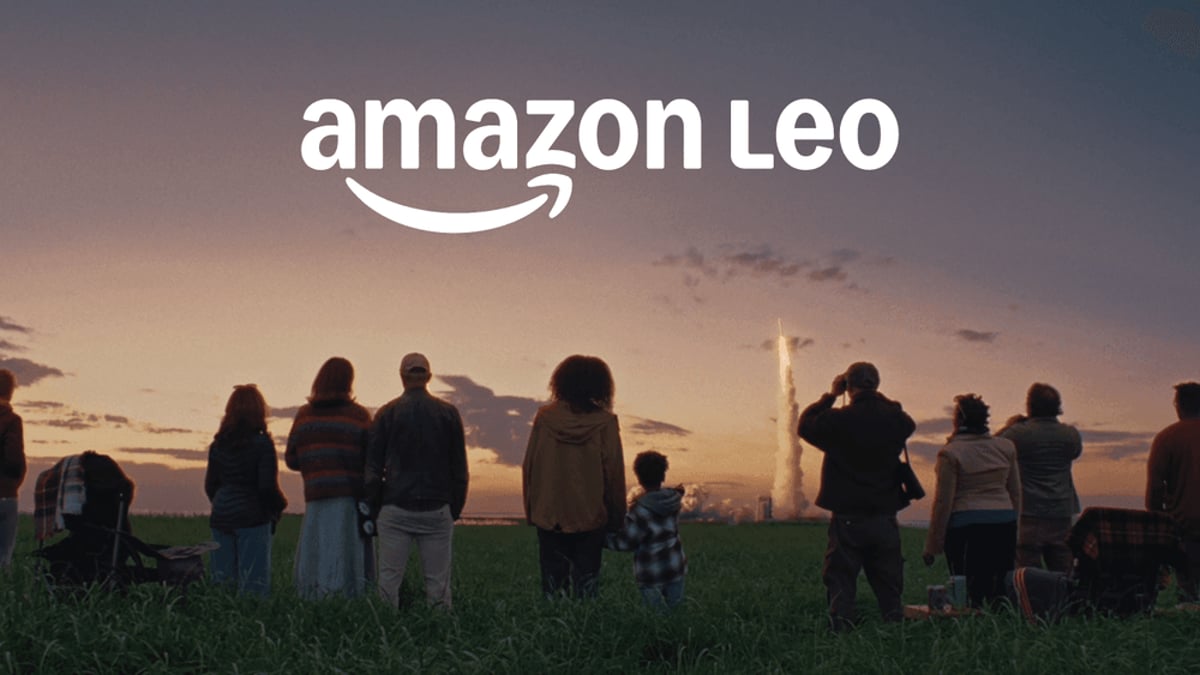
Amazon just made its boldest move yet in the satellite internet wars. The company's snagging Globalstar's entire low-Earth orbit network for $11.57 billion, merging it with its upcoming Leo constellation in a deal that keeps Apple iPhone emergency services running while setting up a three-way showdown with SpaceX's Starlink. The acquisition, expected to close in 2027 pending regulatory approval, fundamentally reshapes the race to connect smartphones directly to satellites.
Amazon is betting big that the future of connectivity runs through space. The company's $11.57 billion deal to acquire Globalstar's entire low-Earth orbit satellite operation represents one of the largest satellite infrastructure acquisitions in history, instantly transforming Amazon from a satellite internet hopeful into a serious competitor to SpaceX's Starlink empire.
The deal's structure reveals just how critical satellite connectivity has become to tech giants' strategies. Amazon isn't just buying hardware - it's snapping up Globalstar's spectrum licenses, ground operations, and existing customer relationships, then folding everything into its Leo satellite constellation that's been in development for years. The combined network will give Amazon the infrastructure to offer direct-to-device services that bypass traditional cellular towers entirely.
But here's where it gets interesting. Apple owned 20 percent of Globalstar, using its satellites to power Emergency SOS features that have literally saved lives when iPhone and Apple Watch users find themselves beyond cellular range. Rather than cutting Apple loose, Amazon's committing to continue supporting those services while developing new ones that'll connect Apple devices directly to the Leo network.
This arrangement transforms what could have been a messy breakup into a strategic alliance that benefits both companies. Apple gets to maintain its emergency services without operating satellite infrastructure, while Amazon gains a marquee customer that validates its technology for hundreds of millions of devices. It's the kind of deal that only makes sense when you're playing the long game in satellite internet.
Globalstar currently operates a constellation of low-Earth orbit satellites that provide direct-to-device connectivity, but the network's been struggling financially for years despite its Apple partnership. Amazon's acquisition gives Globalstar the resources to expand while Amazon gets proven technology it can integrate with Leo, which the company announced in late 2025 as its answer to Starlink.
The timing couldn't be more critical. SpaceX has been rapidly expanding Starlink's direct-to-phone capabilities, partnering with carriers worldwide to offer basic texting and emergency services through standard smartphones. T-Mobile's already testing the service in the US, and other carriers are lining up. Amazon's been racing to catch up, and buying Globalstar instead of building everything from scratch shaves years off that timeline.
The deal's expected to close in 2027, which gives regulators plenty of time to scrutinize a transaction that concentrates significant spectrum holdings in Amazon's hands. The company will need approval from the FCC and potentially other international regulators, given Globalstar's global operations. But with Amazon's track record of navigating regulatory reviews - and the strategic importance of satellite communications to US infrastructure - the path to approval looks relatively clear.
For the broader satellite industry, Amazon's move signals that the era of independent satellite operators is ending. The capital requirements and technical complexity of launching and operating LEO constellations favor tech giants with deep pockets and existing customer bases. Amazon can leverage its AWS cloud infrastructure, logistics network, and e-commerce platform to create services that standalone satellite companies simply can't match.
The implications for consumers are equally significant. Direct-to-device satellite connectivity is moving from emergency-only features to always-available backup connections, and eventually to primary connectivity in remote areas. Amazon's acquisition accelerates that transition by combining Globalstar's operational network with Leo's planned capacity and Apple's device ecosystem. Within a few years, staying connected via satellite could be as routine as switching between WiFi and cellular today.
What's less clear is how this affects Amazon's relationship with other smartphone makers. The company's commitment to Apple could give the iPhone a competitive advantage in satellite connectivity, potentially pushing Samsung, Google, and other manufacturers toward Starlink or other providers. That fragmentation might slow adoption of satellite services, or it could spark a standards war that makes the early days of cellular technology look tame.
The deal also raises questions about Amazon's ultimate ambitions in telecommunications. The company's already exploring wireless spectrum for potential cellular services, operates its own delivery network that rivals traditional carriers, and now controls significant satellite infrastructure. Add in AWS's dominance in cloud services, and you start to see the outline of a vertically integrated communications empire that could reshape how we think about connectivity entirely.
Amazon's Globalstar acquisition isn't just about buying satellites - it's about buying time in a race where SpaceX currently holds a commanding lead. By keeping Apple's emergency services running while integrating Globalstar's proven technology into Leo, Amazon's creating a satellite network that could serve billions of devices within years. The question now is whether 2027's too late to catch Starlink, or if Amazon's combination of infrastructure, partnerships, and resources can turn satellite connectivity into another market where it challenges the established leader. Either way, smartphone users are about to have a lot more options for staying connected when cellular towers are nowhere in sight.