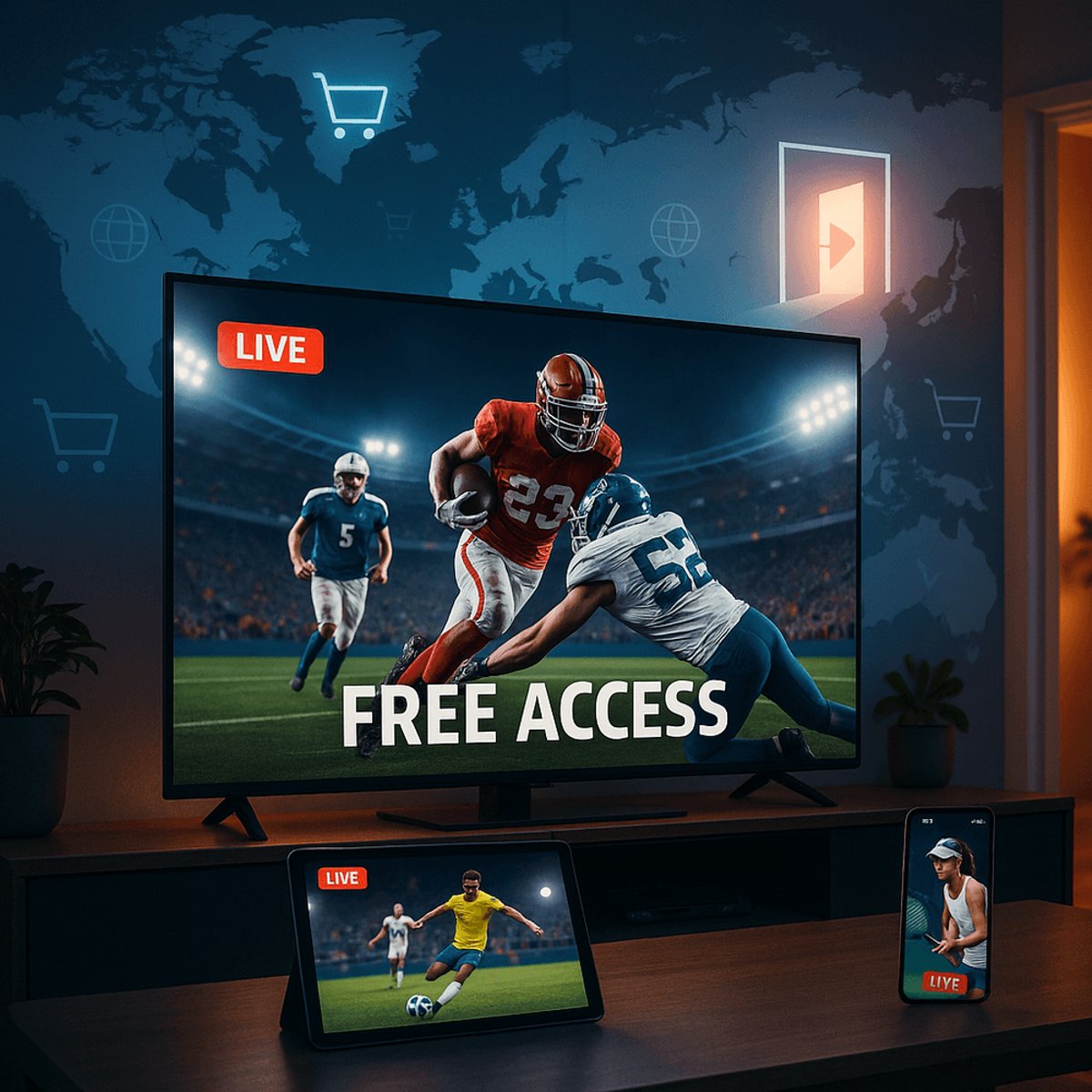
Amazon just made a bold play that could reshape sports streaming forever. The company announced it's opening its Black Friday NFL game between the Chicago Bears and Philadelphia Eagles to global viewers on November 28 - completely free, no Prime membership required. This marks the first time an NFL game streams globally on Prime Video across 240+ countries, signaling Amazon's aggressive push to dominate live sports beyond its traditional paywall strategy.
Amazon is taking a massive swing at the sports streaming market with an unprecedented move that puts every other platform on notice. The tech giant announced it's throwing open the doors to its Black Friday NFL showdown between the Chicago Bears and Philadelphia Eagles, streaming the game globally on November 28 with zero subscription barriers.
This isn't just another streaming announcement - it's Amazon flexing its financial muscle in a way that could fundamentally alter how premium sports content reaches audiences. "We are thrilled to expand our relationship with the NFL and present Black Friday Football to the millions of fans we serve around the world," Jay Marine, head of Prime Video U.S. global sports, told Amazon News. The timing isn't coincidental - Black Friday represents Amazon's biggest shopping day, and the company is essentially using premium NFL content as a global customer acquisition tool.
The strategic implications are staggering. While Netflix spent billions securing NFL Christmas games and Apple locked up MLS exclusively behind paywalls, Amazon is doing the opposite - removing barriers entirely to maximize reach. The Bears-Eagles matchup will stream across more than 240 countries and territories, marking the first time Prime Video has offered NFL content globally without requiring its $139 annual Prime membership.
But Amazon isn't stopping at football. The company is packaging an entire day of premium sports content starting at 9 a.m. ET with the PGA Tour's Skins Game featuring Tommy Fleetwood, Justin Thomas, Xander Schauffele, and Keegan Bradley. The golf event, which hasn't been televised since 2008, features a "reverse purse" format where all four players start with $1 million and watch their fortunes rise and fall with every shot.
The NFL game itself kicks off at 3 p.m. ET with Al Michaels and Kirk Herbstreit calling the action, followed by two NBA Emirates Cup games - Milwaukee Bucks vs New York Knicks at 7:30 p.m. ET and Dallas Mavericks vs Los Angeles Lakers at 10:30 p.m. ET.
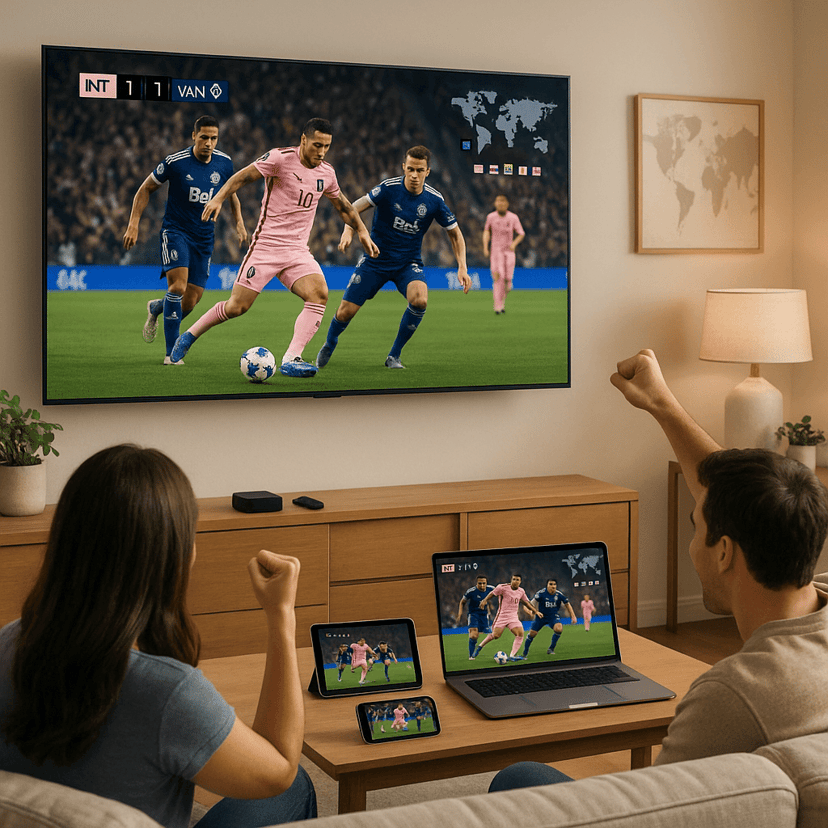
What makes this particularly aggressive is Amazon's deployment of its advanced streaming technology globally. International viewers will get access to features typically reserved for U.S. Prime subscribers, including Rapid Recap highlights, HDR video quality, and Next Gen Stats powered by AWS. The company is also offering the broadcast in Spanish, French, and Portuguese - a clear signal it's targeting markets where traditional U.S. sports broadcasters have limited reach.
This move puts enormous pressure on competitors. Disney charges $80 annually for ESPN+, Apple requires a $99 Apple TV+ subscription for MLS, and Netflix is experimenting with live sports as an additional draw for its core subscription. Amazon is essentially saying: we're so confident in our ecosystem that we'll give away premium content to get you in the door.
The business logic is becoming clearer as analysts digest the announcement. Amazon doesn't need sports streaming to be profitable - it needs sports streaming to drive Prime subscriptions, AWS adoption, and most importantly, shopping behavior. Every global viewer who creates an Amazon account to watch the free game becomes a potential customer for everything from cloud services to holiday shopping.
Traditional broadcasters are taking notice. CBS, NBC, and Fox have spent decades building NFL partnerships worth billions, but they can't match Amazon's ability to absorb losses in service of broader business objectives. The company's willingness to stream globally for free represents a fundamental shift in how tech platforms approach content strategy.
For viewers, the immediate benefit is obvious - premium sports content without subscription friction. But the long-term implications could be even more significant. If Amazon's free global strategy succeeds, it could force other platforms to follow suit, potentially ushering in an era where live sports become loss-leaders for broader digital ecosystems rather than standalone revenue drivers.
Amazon's decision to open premium NFL content globally for free represents more than a streaming strategy - it's a declaration that tech platforms are willing to rewrite the economics of sports media. While traditional broadcasters focus on subscription revenue, Amazon is betting that free premium content will drive broader ecosystem engagement worth far more than any monthly fee. This move could accelerate a fundamental shift where live sports become customer acquisition tools rather than standalone profit centers, potentially reshaping how fans access premium content worldwide.