Amazon's Zoox just picked Washington DC as its eighth autonomous vehicle testing ground, marking a strategic push into the East Coast market. The move signals Amazon's growing confidence in its self-driving technology as it races to launch commercial robotaxi services nationwide.
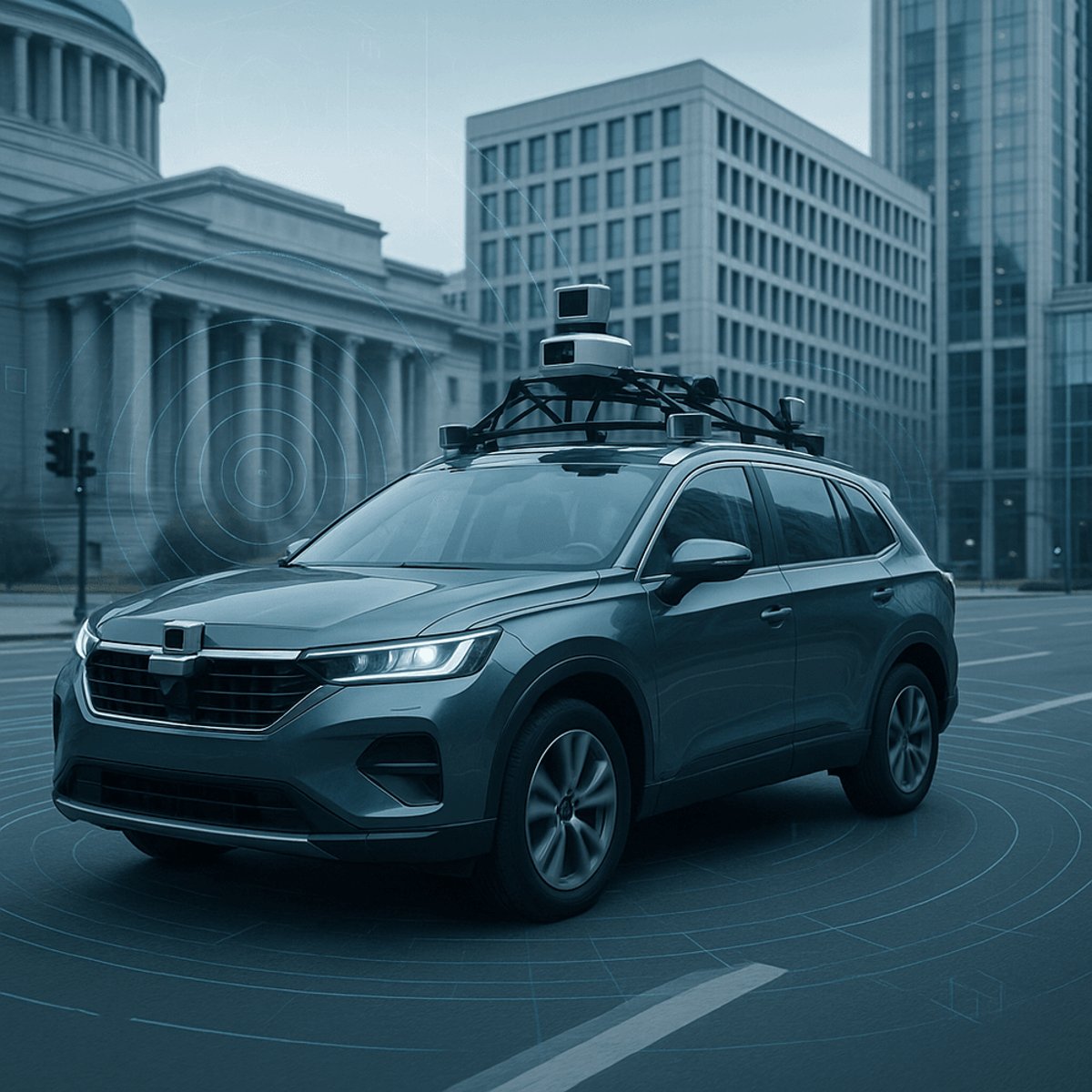
Amazon's Zoox is making its boldest East Coast expansion yet, choosing Washington DC as the testing ground for its autonomous vehicle ambitions. The Zoox team announced Tuesday they'll start mapping the nation's capital using Toyota Highlanders packed with sensors and self-driving software, setting the stage for full autonomous testing later this year.
"With its growing population and high demand for flexible transport options, the District is an ideal next location and optimal place to begin testing and mapping our technology on the East Coast," Zoox wrote in their blog post. The timing isn't coincidental - DC represents a crucial stepping stone for any company serious about nationwide autonomous deployment.
The Foster City startup has been quietly building momentum since Amazon acquired it for $1.2 billion in 2020. What started as Silicon Valley testing has exploded into a seven-city operation spanning Austin, Atlanta, Los Angeles, Las Vegas, Miami, San Francisco, and Seattle. DC makes eight, but more importantly, it's Zoox's first major East Coast hub.
The company won't say how many vehicles they're deploying initially, but a spokesperson told TechCrunch they'll "start with a small fleet that would grow over time." That's the same playbook Zoox used in Las Vegas, where they recently launched their first public robotaxi service - completely free to riders as they gather real-world data.
What makes Zoox different from competitors like Waymo and Cruise isn't just Amazon's backing, but their custom-built vehicles that look nothing like traditional cars. No steering wheel, no pedals, just four seats facing each other in a symmetrical design that can drive in either direction. It's either brilliant or crazy, depending on who you ask.
The regulatory landscape is finally catching up to Zoox's ambitions. In August, the National Highway Traffic Safety Administration granted Zoox an exemption to demonstrate these custom robotaxis on public roads. While that only covers research and demonstrations for now, Zoox has filed a separate application that could green-light commercial operations.
That's where DC becomes strategically vital. Testing in the nation's capital means navigating complex urban environments, government oversight, and the kind of regulatory scrutiny that comes with operating near federal agencies. If Zoox can prove their technology works in DC's chaotic traffic patterns and political environment, it sends a powerful message to regulators and competitors alike.
The autonomous vehicle race has intensified dramatically this year. Waymo expanded to more Phoenix suburbs, while Tesla keeps promising Full Self-Driving updates that never quite deliver. Meanwhile, traditional automakers like Ford and GM have scaled back their autonomous ambitions after billions in losses.
Zoox's approach feels different. Rather than retrofitting existing vehicles, they built everything from scratch - the hardware, software, and service model. It's taken longer and cost more, but Amazon's deep pockets have allowed them to think long-term while competitors chase short-term wins.
DC's selection also reflects changing urban mobility patterns. The city's Metro system, while extensive, doesn't cover everything, and ride-sharing demand remains strong despite post-pandemic changes. For Zoox, it represents a market where autonomous vehicles could genuinely improve transportation access rather than just replacing existing options.
Amazon's Zoox is playing a different game than most autonomous vehicle companies. While competitors chase headlines with limited deployments, Zoox is methodically building the infrastructure for nationwide rollout. DC isn't just another test site - it's a statement that they're ready to tackle the regulatory and technical challenges of operating anywhere in America. If they can make it work in Washington's complex urban environment, the path to commercial success becomes much clearer.