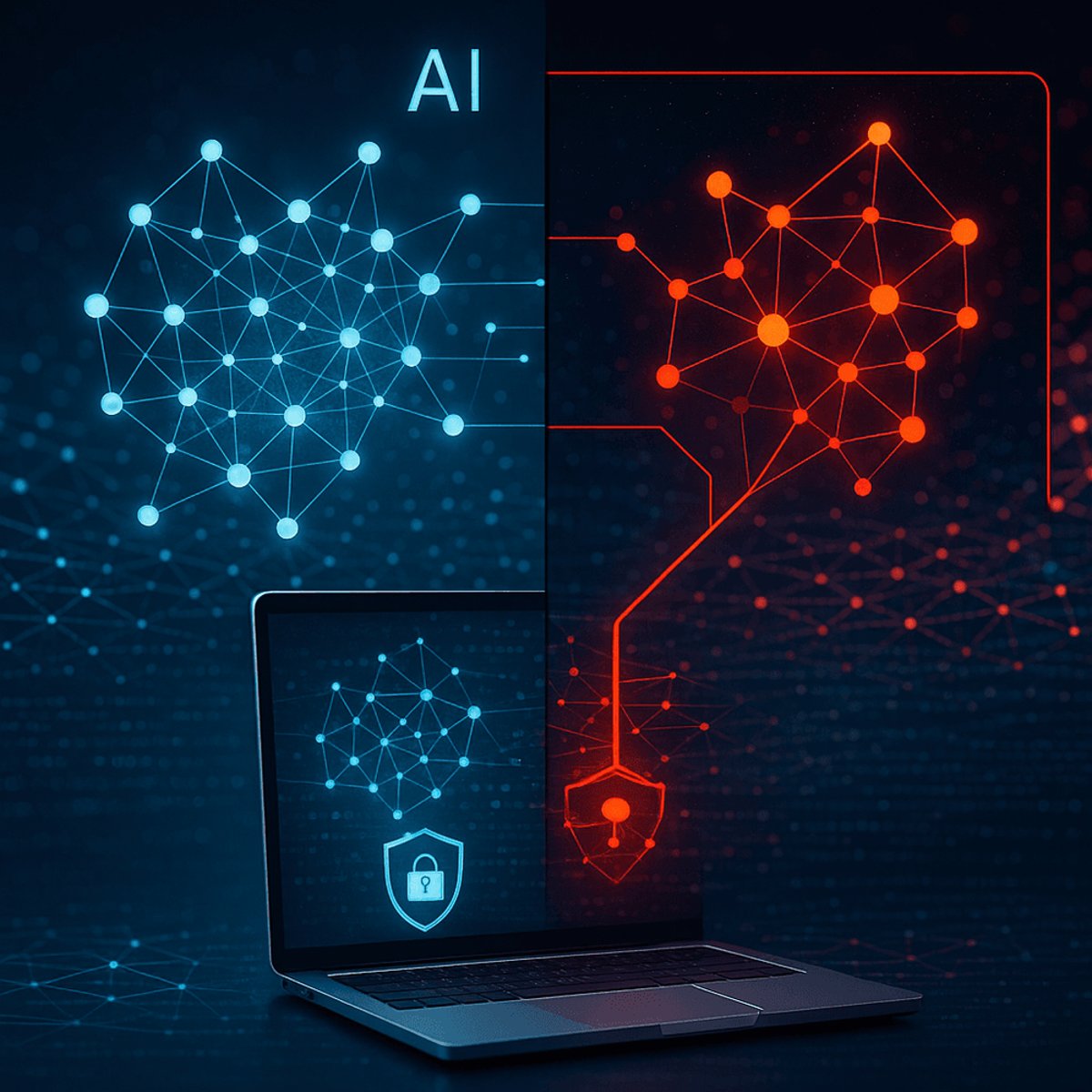
Anthropic just dropped a bombshell accusation that could reshape the U.S.-China AI conflict. The San Francisco-based AI safety company claims three major Chinese labs - DeepSeek, Moonshot, and MiniMax - orchestrated a massive model distillation operation using 24,000 fake accounts to extract Claude's capabilities. The timing couldn't be more charged, landing just as Washington debates whether to tighten AI chip export controls that could cripple China's AI ambitions.
Anthropic isn't mincing words. The company behind Claude has formally accused three prominent Chinese AI labs of running a coordinated operation to steal its AI model's capabilities through what's known as model distillation - essentially using a sophisticated AI system to teach a cheaper one the same tricks.
The scale is staggering. According to Anthropic, the three Chinese companies - DeepSeek, Moonshot AI, and MiniMax - deployed roughly 24,000 fake accounts to query Claude repeatedly, capturing its responses to build training data for their own models. It's like having thousands of students secretly recording a master class to create their own bootleg curriculum.
This isn't just corporate drama. The allegations land at a critical moment in U.S.-China tech competition. The Biden administration has been wrestling with whether to expand export controls on AI chips, trying to slow China's AI development without completely severing technological ties. Anthropic's accusations could hand hawkish policymakers the ammunition they need to push for tighter restrictions.
Model distillation has become the AI industry's dirty secret. While companies like OpenAI, Google, and Anthropic spend hundreds of millions training frontier models on massive GPU clusters, distillation lets rivals capture much of that capability for a fraction of the cost. You don't need Nvidia's latest chips if you can just learn from someone who does.
The technique works by feeding prompts to a powerful model, then training a smaller model to mimic those responses. Done at scale - say, through 24,000 automated accounts - it becomes industrial espionage dressed up as API usage. Anthropic clearly thinks that's what happened here.
China's AI labs have been under pressure since the U.S. started restricting access to advanced chips like Nvidia's H100s. DeepSeek made waves earlier this year by claiming it built competitive models using older, less powerful hardware. If Anthropic's allegations are accurate, distillation could explain part of how Chinese labs are punching above their weight class despite chip restrictions.
The accused companies haven't issued formal responses yet, but the allegations put them in a tight spot. DeepSeek has been positioning itself as a breakthrough story in efficient AI development. Moonshot AI and MiniMax have been rapidly expanding their enterprise offerings. Model theft accusations could poison their efforts to build trust with international partners.
For Anthropic, this goes beyond protecting intellectual property. The company has staked its reputation on AI safety and responsible development. If competitors can simply distill away years of safety work, it undermines the entire premise of investing in careful AI development. Why spend extra time and money on safety features if rivals will just copy the capabilities without the safeguards?
The technical cat-and-mouse game is already escalating. AI companies are exploring watermarking, rate limiting, and behavioral detection to spot distillation attempts. But it's an uphill battle. Once a model is accessible via API, determined actors can query it. The only foolproof defense is not releasing the model at all, which defeats the purpose of building useful AI systems.
Washington is watching closely. The Commerce Department has been drafting new rules around AI model exports, treating advanced AI systems like controlled technology. Anthropic's accusations could accelerate that process, potentially leading to restrictions on who can access American AI models, not just the chips that train them.
The broader question is whether the open approach that fueled AI's recent explosion can survive geopolitical competition. OpenAI already pulled back from its founding mission of openness. Google has become more guarded about releasing model details. If distillation becomes the norm, we might see American AI labs lock down access entirely, at least for users from certain countries.
There's also the competitiveness angle. If Chinese labs can distill frontier capabilities for pennies on the dollar, they can undercut American companies on price while offering similar performance. That's a nightmare scenario for AI startups trying to build sustainable businesses, and it gives Chinese firms an edge in markets where cost matters more than cutting-edge performance.
The accusations mark a turning point in how AI companies think about model security and international competition. Whether or not Anthropic can prove its claims in court, the allegations have already shifted the conversation in Washington and Silicon Valley. Expect tighter access controls, more aggressive rate limiting, and potentially new regulations treating AI models themselves as controlled exports. For Chinese AI labs, the message is clear: the era of easy access to American AI capabilities might be ending. What happens next could determine whether AI development remains a global collaboration or fractures into competing technological spheres, with all the inefficiency and duplication that implies.