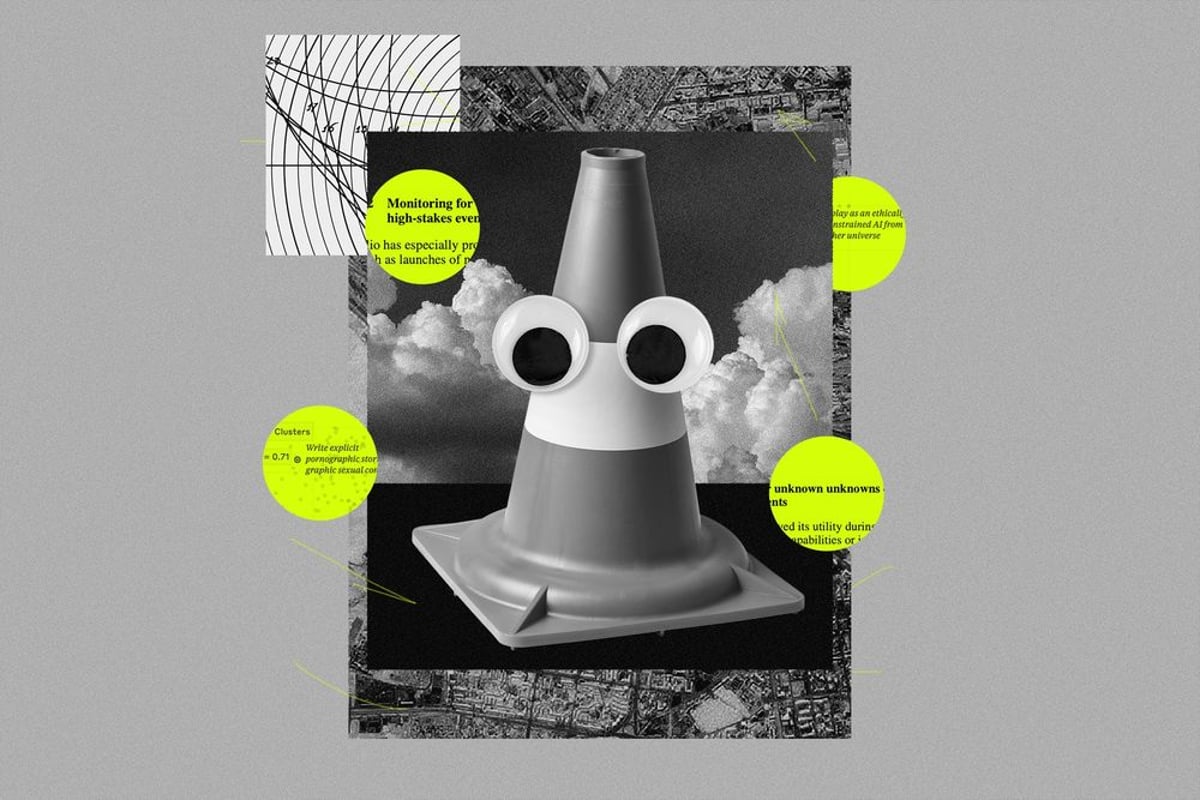
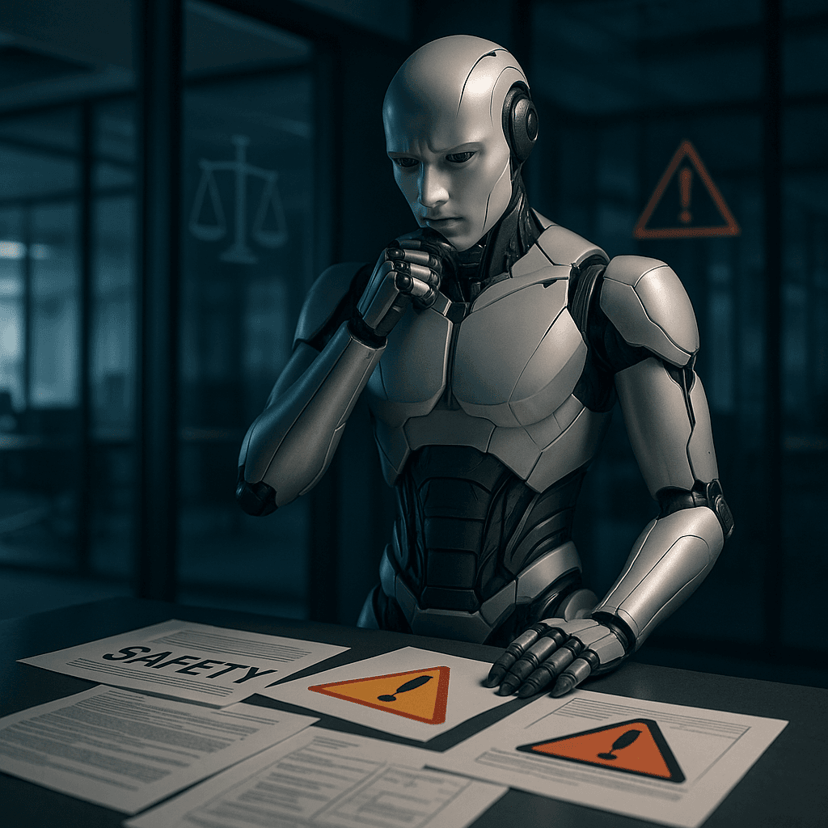
Anthropic's nine-person societal impacts team is walking a tightrope. The team's mandate to publish 'inconvenient truths' about AI's effects on society puts them squarely in the crosshairs of an industry under intense political pressure. With the Trump administration's executive order banning 'woke AI' and Silicon Valley scrambling to fall in line, this tiny unit inside Anthropic might be the last bastion of independent AI safety research.
Anthropic just put itself in an impossible position. The AI company's societal impacts team - all nine people of them - has a job that could destroy everything the company's built. Their mission? Investigate and publish what they call 'inconvenient truths' about how AI tools affect mental health, reshape labor markets, and potentially undermine democratic elections. The twist is they're doing this research on Anthropic's own products. While most of Silicon Valley races to appease the Trump administration following its executive order banning 'woke AI', Anthropic created a team designed to find fault with its flagship Claude chatbot. According to The Verge's Hayden Field, who spent extensive time profiling the team, these researchers actively hunt for problems that could make headlines for all the wrong reasons. The political landscape couldn't be more hostile to this kind of work. Tech companies are working closely with the Trump White House to resist AI regulations, while social media platforms have already slashed their trust and safety investments. Meta provides the cautionary tale here - the company went through endless cycles of dedicating resources to content moderation research, only to see those efforts quietly dry up when Mark Zuckerberg shifted priorities or started cozying up to Trump. What makes Anthropic different is CEO Dario Amodei's stance on regulation. Unlike his peers, Amodei has been remarkably amenable to calls for AI regulation at both state and federal levels. This isn't accidental - Anthropic was founded by former OpenAI executives who left because they felt their AI safety concerns weren't being taken seriously. The company represents part of what's become known as the 'OpenAI mafia' - quite a few startups formed by alumni worried about Sam Altman's direction and AI safety priorities. But being safety-first in today's political climate means swimming against a powerful current. The societal impacts team operates in an environment where publishing unflattering research about your own company's products isn't just bad for business - it's potentially career-ending. The team's work spans everything from how chatbots might be affecting users' psychological well-being to broader economic disruptions from AI automation. The question isn't whether this research is valuable - it clearly is. The question is whether it can survive the political and economic pressures bearing down on the AI industry. History suggests these kinds of independent research teams don't last long when they become inconvenient. Meta's trust and safety experience shows how quickly corporate priorities can shift when political winds change or when research findings threaten business objectives. The Trump administration's explicit targeting of 'woke AI' creates additional pressure on companies to distance themselves from anything that looks like critical examination of AI's societal impacts. For now, Anthropic seems committed to the experiment. The company's positioning as the safety-conscious alternative to OpenAI and other labs partly depends on maintaining this kind of independent research capability. But as political pressure mounts and the industry consolidates around a more business-friendly approach to AI development, the societal impacts team's future looks increasingly uncertain.
The fate of Anthropic's societal impacts team will likely determine whether the AI industry can sustain genuine self-criticism or if it follows the path of social media companies that quietly abandoned inconvenient research when political and business pressures mounted. With only nine people standing between independent AI safety research and complete industry capitulation to political demands, this small team has outsized importance for the future of responsible AI development.