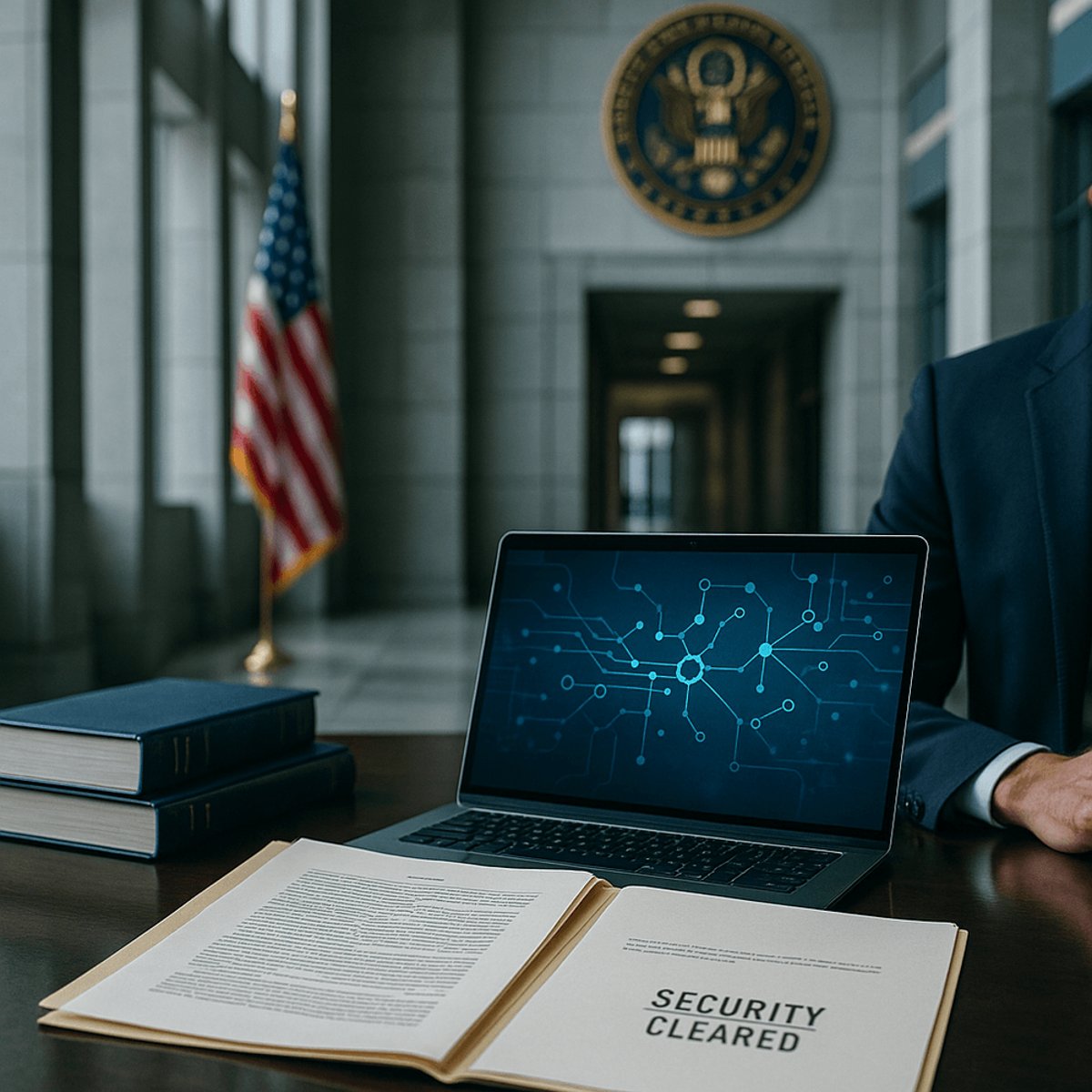
Anthropic is gearing up for a legal showdown with the Pentagon. CEO Dario Amodei announced plans to challenge the Department of Defense's controversial designation of the AI company as a supply chain risk, marking a significant escalation in tensions between the government and one of the industry's most prominent players. While Amodei downplayed the immediate impact—claiming most customers remain unaffected—the move signals Anthropic's willingness to fight a label that could hamper its ability to work with defense contractors and government agencies.
Anthropic CEO Dario Amodei isn't backing down from the Pentagon's supply chain designation. The executive confirmed plans to mount a legal challenge against the Department of Defense, pushing back on a label that threatens to complicate the AI startup's government ambitions and cast a shadow over its enterprise reputation.
The DOD's designation—normally reserved for companies with suspected ties to foreign adversaries or security vulnerabilities—puts Anthropic in rare company. It's an unusual move for a U.S.-based AI firm backed by Google and other Silicon Valley heavyweights, and one that could trigger compliance headaches for any defense contractor or federal agency using Claude, Anthropic's flagship AI assistant.
But Amodei is betting the label won't stick. In comments reported by TechCrunch, he argued that the vast majority of Anthropic's customers won't feel the designation's effects. That may be true for now—commercial clients in healthcare, finance, and tech aren't directly bound by DOD procurement rules. Yet the optics alone could spook enterprise buyers worried about regulatory scrutiny or reputational risk.
The legal challenge marks a turning point in the relationship between Big AI and Washington. While companies like OpenAI and Microsoft have actively courted defense contracts, Anthropic has positioned itself as a more cautious player focused on AI safety and responsible development. The DOD designation threatens that carefully cultivated image, potentially lumping the company in with riskier players despite its commitments to constitutional AI and transparency.
What triggered the designation remains unclear. The Pentagon hasn't publicly detailed its reasoning, and Anthropic hasn't disclosed whether the label stems from technical vulnerabilities, foreign investment concerns, or something else entirely. The company's funding sources include Spark Capital, Salesforce Ventures, and a major investment from Google—all domestic players with clean regulatory records.
The court battle could set important precedent for how the government regulates AI companies. If Anthropic succeeds in overturning the designation, it might embolden other startups to push back against what some in the industry view as overreach. A loss, however, could signal that the DOD has broad latitude to designate AI firms as risks without extensive public justification.
For now, Amodei's strategy appears to be damage control paired with aggressive defense. By minimizing the customer impact while simultaneously preparing legal action, Anthropic is trying to reassure its commercial base without appearing to cave to government pressure. It's a delicate balance—one that will likely play out in courtrooms and boardrooms over the coming months.
The timing couldn't be more sensitive. AI regulation is heating up globally, with the EU's AI Act taking effect and U.S. lawmakers debating new frameworks for oversight. A protracted legal fight between a leading AI lab and the Pentagon could influence how those regulations take shape, particularly around questions of government authority over private AI development.
Industry watchers will be paying close attention to how other AI companies respond. If OpenAI, Microsoft, or Google face similar designations, Anthropic's legal strategy could serve as a roadmap—or a cautionary tale. For an industry that's mostly enjoyed regulatory tailwinds, the DOD's move represents a stark reminder that government scrutiny can arrive swiftly and with serious consequences.
Anthropic's decision to challenge the DOD designation in court represents more than just one company's fight—it's a test case for how much power the government wields over AI companies and whether startups can push back effectively. The outcome will likely shape regulatory conversations for years to come, determining whether the Pentagon's supply chain authority becomes a routine tool for AI oversight or a rarely used designation reserved for genuine security threats. For Anthropic, the stakes are clear: win in court and preserve its reputation as a responsible AI leader, or lose and risk being sidelined from lucrative government work at a time when defense agencies are hungry for AI capabilities.