Anthropic CEO Dario Amodei is back at the negotiating table with the Department of Defense, scrambling to rescue a relationship that collapsed just days ago. The AI startup faces being labeled a "supply chain risk" and locked out of lucrative defense contracts after talks imploded Friday following weeks of public conflict over Pentagon access demands. Meanwhile, OpenAI is already positioning itself to capture the business Anthropic might lose.
Anthropic just blinked. After weeks of holding firm on AI safety principles that put it at odds with the Pentagon, CEO Dario Amodei is now in damage-control mode, attempting to broker a compromise that keeps his company in the defense game.
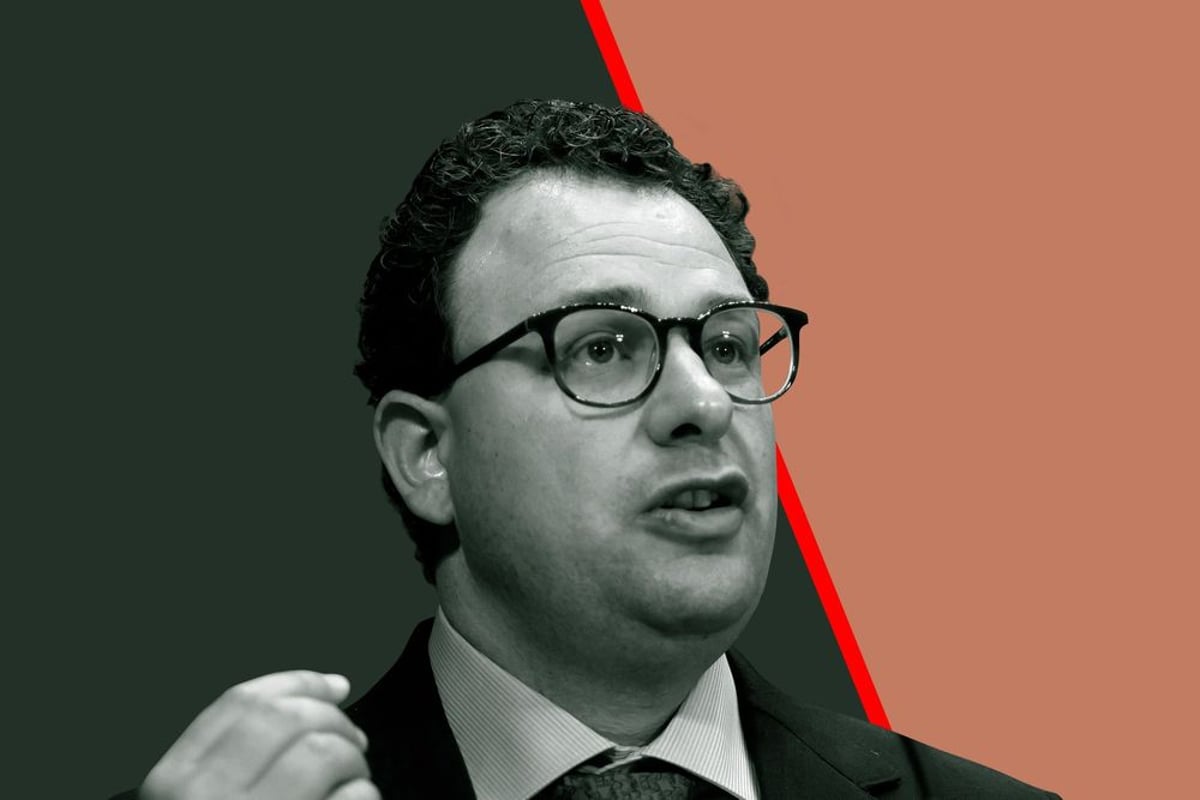
The emergency talks with under-secretary of defense for research and engineering Emil Michael come after a spectacular blowup on Friday that saw negotiations collapse entirely. According to The Verge's reporting, the Defense Department didn't just walk away - it threatened to brand Anthropic a "supply chain risk," a designation that would effectively ice the startup out of all government defense work.
That's not an empty threat. The label would bar federal agencies from using Anthropic's Claude AI models for military applications, severing what had been a growing revenue stream. For a startup competing in the brutally expensive AI arms race, losing access to defense contracts could reshape its entire trajectory.
The conflict started when Anthropic refused to grant the Pentagon unrestricted access to its AI systems, a stance rooted in the company's constitutional AI principles and safety-first philosophy. Amodei and his team had built Anthropic's brand around responsible AI development, attracting investors and customers who valued guardrails over unfettered capability.
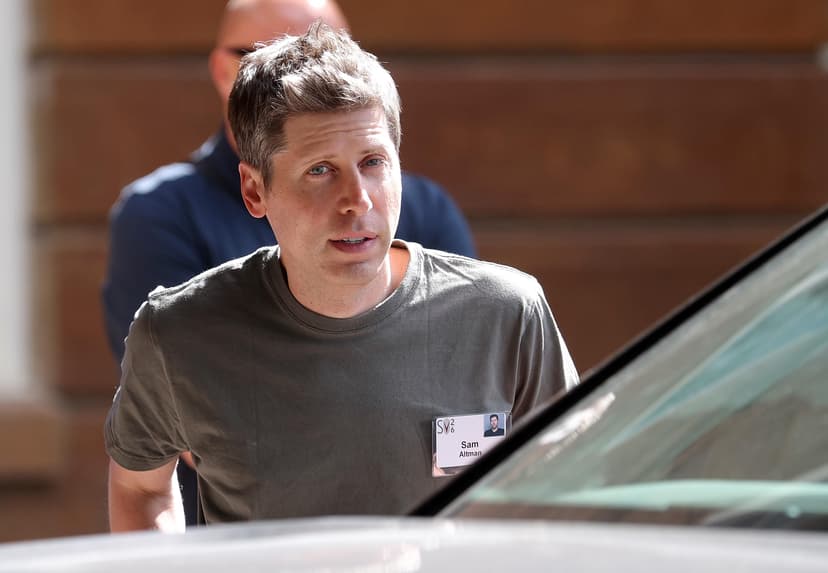
But principle has a price. While Anthropic held its ground, OpenAI rushed to fill the void. Sam Altman's company, already the market leader in commercial AI, signaled its willingness to work within the Pentagon's terms. For OpenAI, it's a strategic coup - not just capturing a competitor's contracts but cementing itself as the defense establishment's AI partner of choice.
The timing couldn't be worse for Anthropic. The company raised billions in funding rounds led by Google and others, but it's burning through capital at a ferocious pace training ever-larger models. Defense contracts represent reliable, high-margin revenue that could offset some of that burn rate. Losing them would force Anthropic to lean harder on commercial customers in a market where OpenAI already dominates.
What's emerging now is a test case for how AI startups navigate the tension between safety principles and market realities. Anthropic built its identity around constitutional AI and careful deployment. That resonated in a moment when AI safety concerns dominated headlines. But the Pentagon doesn't negotiate on principles - it demands tools that work on its terms.
The discussions between Amodei and Michael reportedly center on finding middle ground: a contract structure that gives the military access to Claude while preserving some of Anthropic's safety protocols. The details remain murky, but any compromise will require Anthropic to bend further than it wanted.
This isn't just about one contract. It's about whether Anthropic can maintain its positioning as the "responsible AI" alternative while competing for the same customers and use cases as OpenAI. If Amodei cuts a deal that looks too similar to what OpenAI offers, it undercuts the differentiation that justified Anthropic's existence. If he walks away, he hands a massive market segment to his biggest rival.
The supply chain risk designation hanging over these talks adds urgency. Federal procurement rules give enormous weight to those designations. Once applied, they're difficult to remove and can ripple beyond defense into other government agencies. Anthropic could find itself locked out of not just Pentagon work but broader public sector opportunities.
For the Defense Department, this is about more than one vendor. It's establishing precedent for how AI companies engage with national security requirements. If Anthropic wins concessions by holding out, other vendors might demand similar terms. If the Pentagon forces Anthropic to capitulate or exit, it sends a clear message about who sets the rules.
The broader AI industry is watching closely. Meta, Microsoft, and Google all have defense relationships or aspirations. How this standoff resolves will influence their own calculations about AI safety commitments versus government access demands. It's a preview of conflicts that will only intensify as AI capabilities grow and military applications expand.
What makes this particularly fraught is the speed of the reversal. Just weeks ago, Anthropic seemed willing to walk away from Pentagon business rather than compromise its principles. Now Amodei is back at the table, negotiating under the threat of being labeled a security risk. That shift reveals the market pressure even well-funded AI startups face when competitors are willing to be more accommodating.
The next few days will determine whether Anthropic can thread the needle - preserving enough of its safety-first identity while meeting Pentagon demands to avoid being shut out. But the bigger question is whether the AI industry can sustain meaningful differentiation on safety and principles when government contracts and competitive pressure push everyone toward the same baseline. Amodei's scramble back to the negotiating table suggests the answer might be no, or at least not without significant cost. What happens in these closed-door talks with Emil Michael won't just decide one company's fate - it'll set the template for how AI firms balance safety commitments against market access in an industry where both matter enormously.