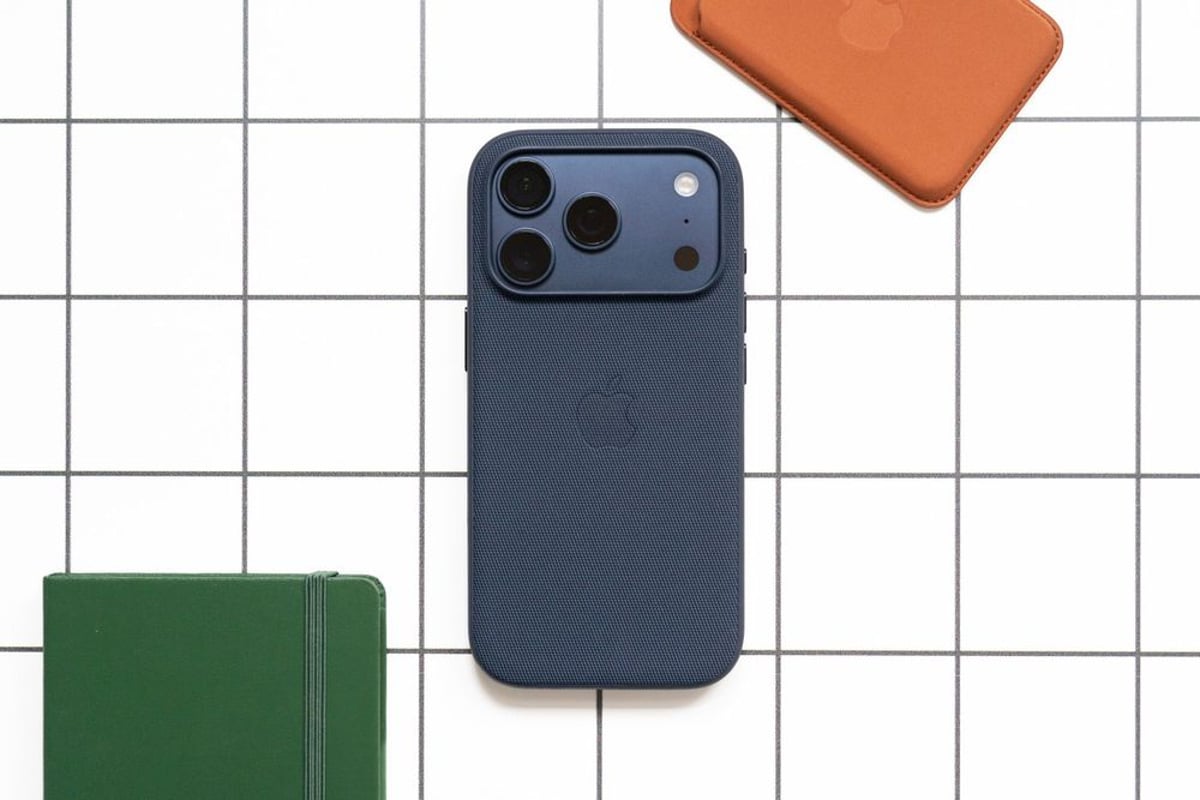
Apple just proved it can learn from its mistakes. The company's new TechWoven case for the iPhone 17 Pro ditches the easily-scratched FineWoven material that frustrated users for two years, replacing it with a bumpy, utilitarian design that actually holds up to daily abuse. After a week of mountain hikes, key scratches, and toddler testing, The Verge's review confirms what iPhone users have been waiting for: a durable Apple case that doesn't fall apart.
Apple just did something rare: it admitted a mistake and actually fixed it. The company's new TechWoven case for the iPhone 17 Pro represents a complete about-face from the troubled FineWoven era, trading luxury aesthetics for real-world durability.
The vindication comes from The Verge's Allison Johnson, who famously dubbed herself "the nation's foremost FineWoven hater" after the material's disastrous 2023 launch. Her week-long torture test of the new TechWoven case - including mountain hikes, sweaty bike rides, and toddler handling - revealed exactly what Apple got right this time.
"I carried it next to my keys, gave it to my toddler, and handled it while measuring out ingredients for banana bread. It's fine. Fine is good," Johnson reported, a stark contrast to her brutal takedowns of FineWoven's scratch-prone surface.
The FineWoven debacle started when Apple discontinued leather cases in 2023, citing environmental concerns about cattle farming's greenhouse gas emissions. The company positioned FineWoven's "microtwill" as both "luxurious and durable" - claims that lasted about as long as the cases themselves. Users quickly discovered the material scratched easily and aged ungracefully, turning premium accessories into eyesores within weeks.
Now Apple has pulled its classic move: quietly retire the problem and pretend it never happened. The $59 TechWoven case maintains the same price point but delivers fundamentally different materials and expectations.
Made from 100% recycled polyester, TechWoven creates what Apple calls "dimensional texture with a rich depth of color." Translation: it's bumpy and looks more like tactical gear than a fashion accessory. But that's exactly the point. Johnson had to "dig pretty hard" with her fingernail to create any scratch, and even those marks buffed out completely.
The material shift reflects a broader evolution in the iPhone 17 Pro itself. Apple is positioning the Pro line as genuinely utilitarian rather than just a status symbol upgrade. The company reserves the sleek aesthetics for the iPhone 17 Air, while the Pro embraces its identity as a technical tool with three cameras and all-day battery life.
"TechWoven might make your phone look like a Ninja Turtle, but at least it seems like it will go the distance," Johnson noted, highlighting the trade-off Apple is asking Pro users to make.
Interestingly, FineWoven isn't completely dead. Apple still ships bright orange FineWoven MagSafe wallets with iPhone review units, suggesting the company sees limited utility in the low-wear wallet application.
The TechWoven launch also signals Apple's willingness to acknowledge user feedback more directly than usual. Rather than doubling down on FineWoven improvements, the company did a complete material pivot - essentially admitting the original concept was flawed.
For the broader accessories market, TechWoven represents a retreat from premium positioning toward practical durability. Third-party case makers who built businesses around offering more durable alternatives to Apple's cases now face first-party competition that actually prioritizes function over form.
Apple's TechWoven pivot proves the company can course-correct when user complaints become impossible to ignore. By choosing durability over luxury aesthetics, Apple is finally delivering iPhone cases that match how people actually use their phones. The move also reflects a broader shift in the Pro line toward genuine utility rather than premium positioning. While TechWoven may not win any design awards, it solves the fundamental problem that made FineWoven a cautionary tale about prioritizing marketing over materials engineering.