TL;DR:
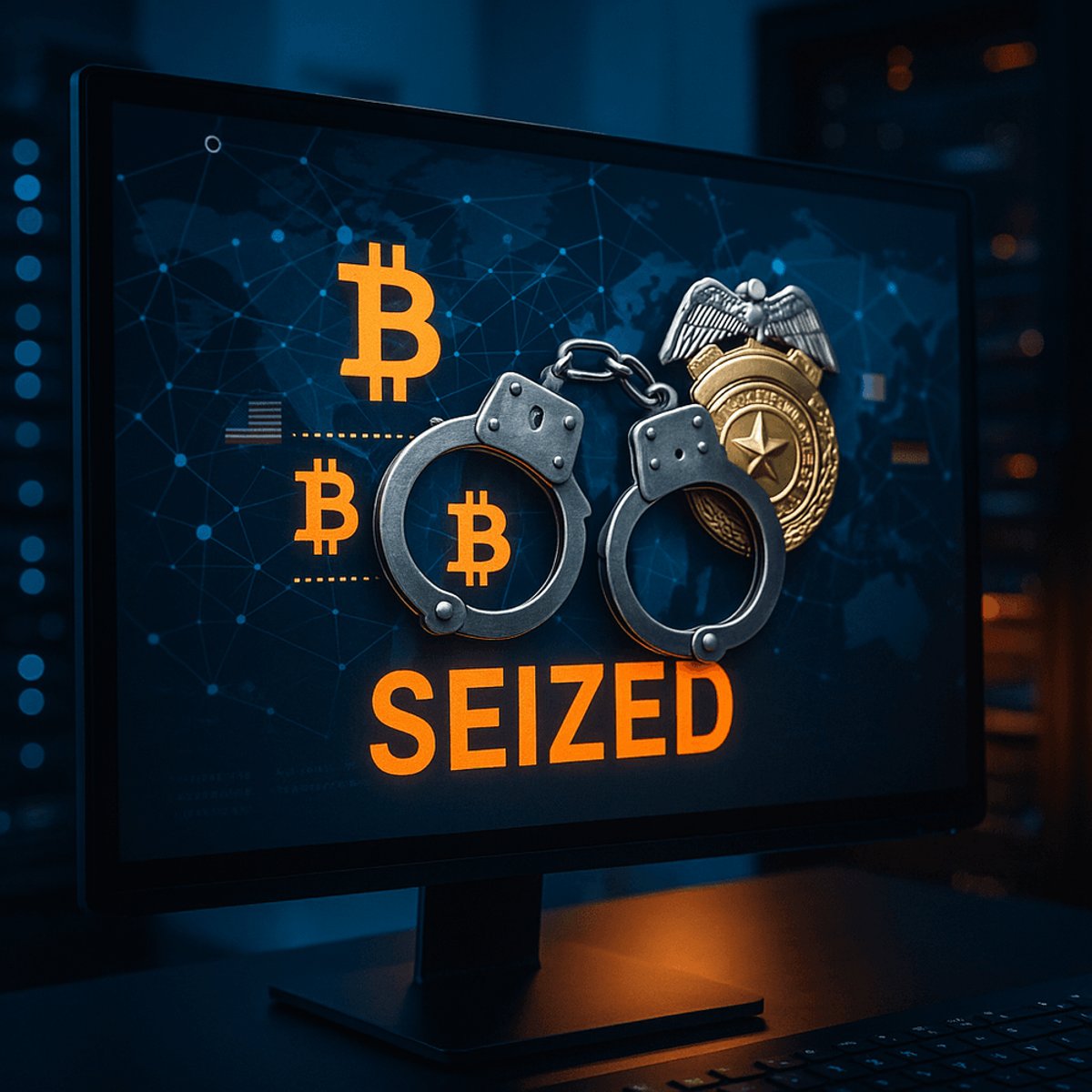
• U.S. Justice Department seized $1M Bitcoin and servers from Russian BlackSuit/Royal ransomware gang
• Gang extorted $370M from 450+ US victims including hospitals, schools, and critical infrastructure since 2022
• Global coalition seized 4 servers, 9 domains across 7 countries in coordinated July operation
• BlackSuit alone demanded over $500M total, with largest single ransom hitting $60M according to CISA
The U.S. Department of Justice just dealt a major blow to one of the world's most prolific ransomware operations, seizing $1 million in Bitcoin and critical infrastructure from the Russian gang behind BlackSuit and Royal malware. The coordinated takedown marks a significant victory against cybercriminals who've extorted over $370 million from 450+ victims since 2022, targeting everything from hospitals to power grids across America.
Federal agents just struck at the heart of one of Russia's most destructive ransomware empires. The U.S. Department of Justice announced Monday it has dismantled key infrastructure belonging to the cybercriminal gang behind BlackSuit and Royal ransomware, seizing $1 million in Bitcoin and crippling their operations across two continents.
The coordinated strike on July 24 saw law enforcement agencies from seven countries simultaneously target the gang's digital infrastructure, seizing four servers and nine domains in what ICE's Homeland Security Investigations calls one of the most significant ransomware disruptions to date. The seized cryptocurrency came from a digital exchange account that was frozen back in January 2024, suggesting authorities had been tracking these funds for over a year.
The numbers behind this takedown are staggering. According to federal investigators, Royal and BlackSuit ransomware have compromised more than 450 victims across the United States alone, systematically targeting the nation's most critical sectors. Healthcare systems, educational institutions, public safety organizations, energy infrastructure, and government entities have all fallen victim to what authorities describe as a relentless campaign against American critical infrastructure.
CISA revealed in a 2023 advisory that "BlackSuit actors have demanded over $500 million USD in total and the largest individual ransom demand was $60 million." The cybersecurity agency's data shows these aren't opportunistic attacks - they're calculated strikes designed to maximize economic damage and operational disruption.
The financial toll has been devastating. Since 2022, this single criminal organization has extracted more than $370 million in ransom payments from victims, making it one of the most financially successful ransomware operations in history. Each successful attack ripples through the economy, forcing victim organizations to rebuild systems, restore data, and implement costly security measures.
"The BlackSuit ransomware gang's persistent targeting of U.S. critical infrastructure represents a serious threat to U.S. public safety," Assistant Attorney General for National Security John A. Eisenberg said in the Justice Department's announcement. His words underscore how ransomware has evolved from a criminal nuisance into a national security threat that can shut down hospitals mid-surgery or knock power grids offline.
The international scope of the operation highlights how modern cybercrime transcends borders. Law enforcement agencies from the United States, Canada, Germany, Ireland, France, and the United Kingdom coordinated to simultaneously strike the gang's infrastructure, preventing them from simply relocating servers to friendly jurisdictions. This level of international cooperation represents a new phase in the global fight against ransomware.
What makes BlackSuit and Royal particularly dangerous is their focus on critical infrastructure. Unlike ransomware gangs that cast wide nets hoping to catch individual users, these operators specifically hunt for high-value targets where operational disruption can force larger payouts. A hospital that loses access to patient records during an emergency has little choice but to pay. A school district facing the loss of student data before graduation faces similar pressure.
The timing of this announcement, coming just weeks after several high-profile ransomware attacks globally, sends a clear message that law enforcement capabilities are evolving to match the threat. The fact that authorities were able to freeze cryptocurrency accounts months before the infrastructure takedown suggests increasingly sophisticated financial tracking capabilities.
For enterprise security teams, this takedown provides temporary relief but also a stark reminder of the threat landscape. The infrastructure seizure will likely force the gang to rebuild their operations, potentially creating a window of reduced activity. However, the underlying vulnerabilities that allowed 450+ successful compromises remain largely unchanged.
This takedown represents more than just another law enforcement victory - it's a blueprint for how international cooperation can disrupt even the most sophisticated cybercriminal operations. While the seizure of $1 million and critical infrastructure will force the BlackSuit/Royal gang to rebuild, the real victory lies in demonstrating that ransomware operators can no longer hide behind international borders. For businesses still recovering from attacks or working to prevent them, this operation provides both hope and a reminder that the threat remains very real - even as law enforcement capabilities continue to evolve to match the challenge.