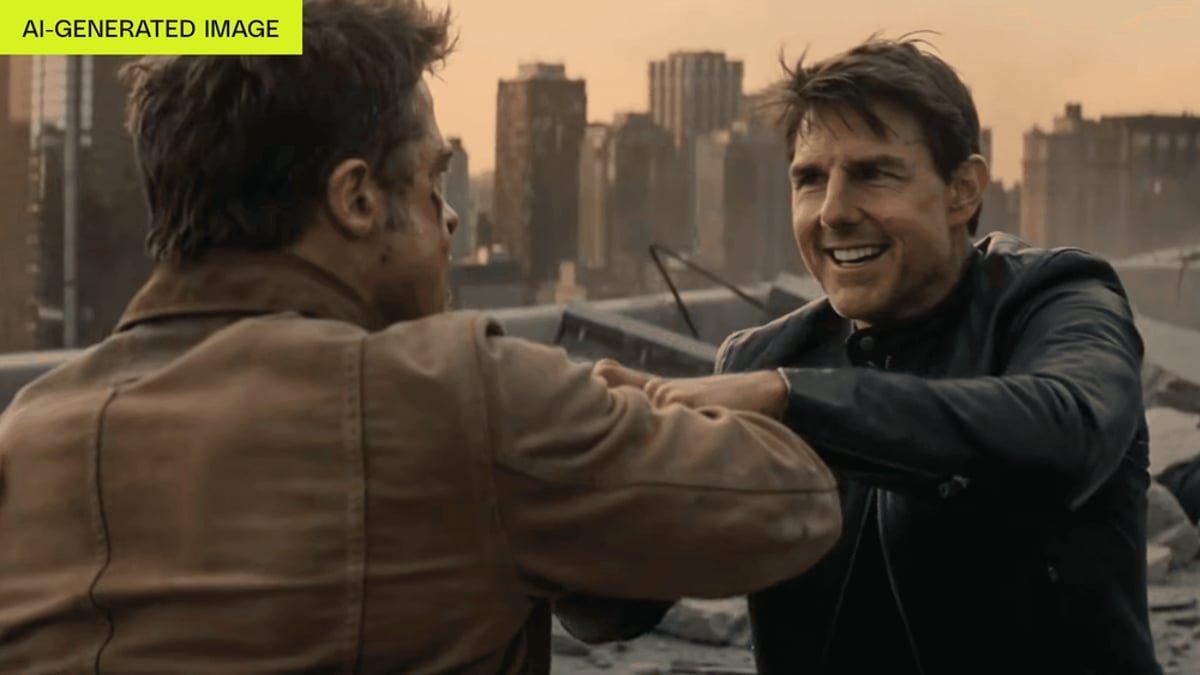
ByteDance just dropped Seedance 2.0, and the internet can't decide if it's a breakthrough or more of the same AI-generated mess. Irish filmmaker Ruairi Robinson's demo clips - featuring eerily convincing digital Tom Cruise and Brad Pitt deepfakes battling zombies and robots - sparked immediate buzz across creative communities. The footage looks significantly better than previous generation tools, but as The Verge's critical assessment suggests, we're still far from AI replacing traditional filmmaking.
ByteDance, the Chinese tech giant behind TikTok, is making another play for AI video dominance with Seedance 2.0. The timing couldn't be more pointed - as Hollywood grapples with strikes and studios experiment cautiously with AI tools, ByteDance is pushing a model that genuinely looks better than what most competitors have shipped.
Irish filmmaker Ruairi Robinson became Seedance 2.0's breakout tester when he started posting clips to social media. The results turned heads immediately. His AI-generated Tom Cruise moves through apocalyptic cityscapes with unsettling realism, throwing punches at a Brad Pitt lookalike that actually connect with weight and timing. Previous AI video tools struggled with basic continuity - hands would morph, faces would melt between frames. Seedance 2.0 seems to handle these challenges better, producing footage that holds together for several seconds at a stretch.
But The Verge isn't buying the hype. Charles Pulliam-Moore's review pulls no punches, calling the output "still slop" despite the technical improvements. It's a blunt assessment that cuts through the AI booster rhetoric flooding social feeds. The fundamental problem remains: these tools can create impressive individual moments, but they can't yet craft coherent narratives or match the intentionality of human-directed work.
The quality gap matters more than enthusiasts want to admit. Yes, the digital Tom Cruise looks remarkably like the real actor. The camerawork mimics action movie conventions with surprising competence. Characters move with what Robinson describes as "complex fluidity." Yet something essential is missing - the purposeful choreography, the emotional stakes, the storytelling craft that separates compelling cinema from pretty animations.
ByteDance isn't alone in this space, but Seedance 2.0 represents a meaningful step forward from where companies like OpenAI and Runway were just months ago. The model apparently handles multi-character scenes better, maintains visual consistency longer, and produces more convincing human movement. For content creators making social media clips or concept art, these improvements could prove genuinely useful.
What's fascinating is how quickly the conversation shifted from "can AI do this?" to "is it good enough?" A year ago, generating any coherent video from text prompts felt like magic. Now we're critiquing the cinematography and performance quality of AI outputs. The bar keeps rising, but so do expectations.
The entertainment industry is watching these developments with mixed emotions. Some see tools like Seedance 2.0 as cost-cutting opportunities or concept visualization aids. Others view them as existential threats to creative labor. The reality probably falls somewhere between - AI video generation will find its niches, but replacing skilled human filmmakers remains far more difficult than tech evangelists claim.
Robinson's demos also highlight a thorny legal question that nobody's really solved yet: who owns these AI-generated celebrity likenesses? Tom Cruise didn't consent to his digital clone fighting zombies. Brad Pitt didn't sign off on appearing in AI-generated fight scenes. As these tools become more accessible, the intellectual property battles are just beginning.
ByteDance's timing with this release is strategic. The company faces ongoing scrutiny over TikTok's future in Western markets, but its AI research division keeps shipping impressive technology. Seedance 2.0 joins a portfolio that includes language models and image generators - all developed largely outside the Silicon Valley spotlight that follows OpenAI and Google.
The "still slop" criticism from The Verge might sting AI advocates, but it's a necessary reality check. Technical progress doesn't automatically translate to creative value. A tool can be impressively engineered while producing output that feels hollow, derivative, or just off. Seedance 2.0 might represent the current peak of AI video generation, but that peak is still below the baseline of what human filmmakers create routinely.
For now, the most likely use cases remain adjacent to traditional production rather than replacing it. Directors might use Seedance 2.0 for rapid storyboarding or previsualization. Marketing teams could generate quick concept videos. Independent creators with zero budgets might produce content that would otherwise be impossible. But the next Avengers movie won't be AI-generated anytime soon.
ByteDance's Seedance 2.0 represents genuine technical progress in AI video generation, producing output that's noticeably better than what we saw even six months ago. But The Verge's frank assessment cuts through the hype machine: better doesn't mean good enough. The gap between impressive tech demos and truly useful creative tools remains wide. For filmmakers, the message is clear - AI video generators are getting more capable, but they're still producing what critics rightly call slop. The tools might find valuable niches in pre-production and concept work, but the dream of AI replacing human storytellers remains exactly that: a dream that oversimplifies what makes visual storytelling actually work.