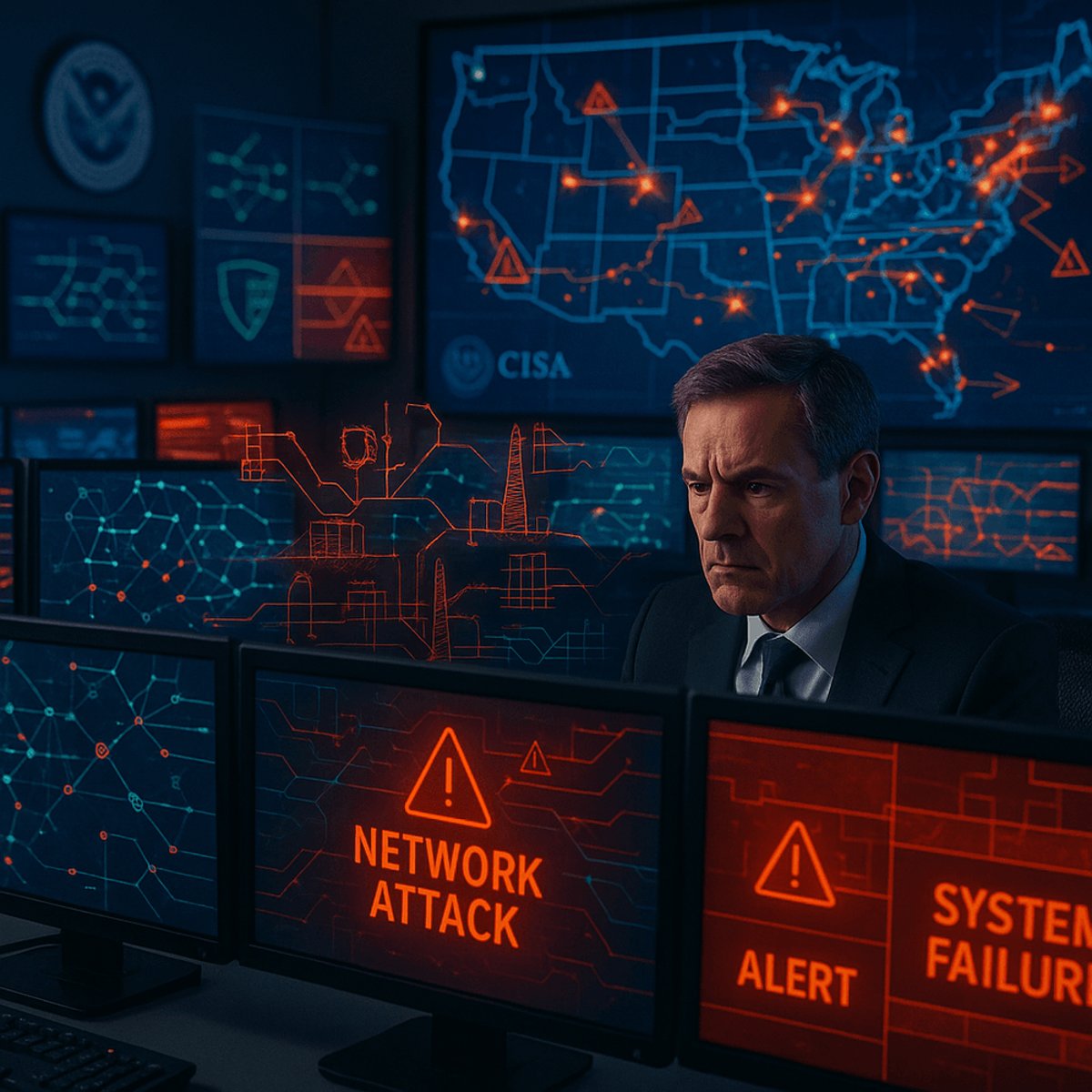
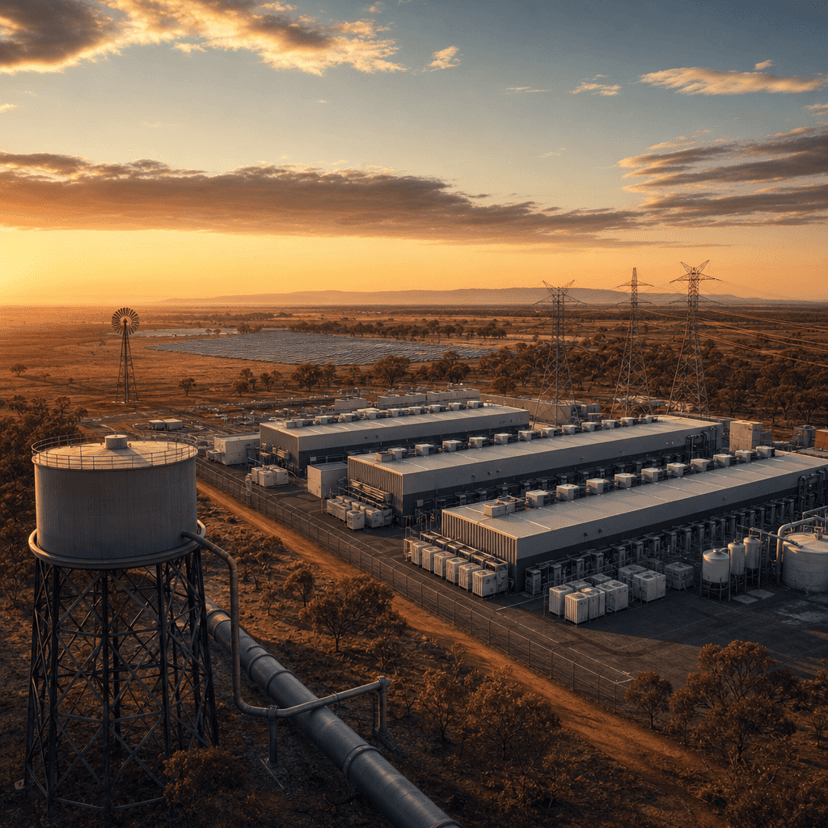
America's front-line cyber defense agency is operating in crisis mode just as it's needed most. The Cybersecurity and Infrastructure Security Agency confirmed it's running under a partial shutdown after its acting director was abruptly reassigned last week, leaving the agency without stable leadership as Iranian-linked hacking campaigns intensify against U.S. critical infrastructure. The timing couldn't be worse - cybersecurity experts warn this creates a dangerous gap in the nation's ability to coordinate responses to state-sponsored attacks.
The Cybersecurity and Infrastructure Security Agency finds itself in an unprecedented bind. Just as threat intelligence firms report a sharp uptick in Iranian state-sponsored hacking attempts targeting U.S. energy grids, water systems, and financial networks, the agency tasked with defending them is operating without permanent leadership and under budgetary constraints that have triggered a partial shutdown.
Last week's reassignment of CISA's acting director to a new division within the Department of Homeland Security caught the cybersecurity community off guard. The move leaves CISA - created in 2018 specifically to protect critical infrastructure from cyber attacks - without a confirmed leader for the first time during an active threat escalation. According to CNBC's reporting, the agency is now running on reduced operational capacity.
The Iranian threat isn't theoretical. Multiple cybersecurity firms have documented increasingly sophisticated attacks from groups linked to Tehran's Islamic Revolutionary Guard Corps. These campaigns have probed vulnerabilities in industrial control systems, the same infrastructure CISA was designed to protect. One senior security researcher, speaking on condition of anonymity, told colleagues the timing "creates exactly the kind of coordination gap that sophisticated attackers exploit."
CISA's role extends far beyond government networks. The agency serves as the primary liaison between federal intelligence agencies and private companies running everything from power plants to hospitals. When a new threat emerges, CISA typically issues alerts, coordinates patch deployments, and helps companies understand what they're facing. That coordination mechanism is now operating at diminished capacity.
The partial shutdown compounds the leadership problem. While essential personnel remain on duty, the agency's ability to conduct proactive threat hunting, update guidance documents, and coordinate multi-sector responses faces real constraints. Industry sources say they're already seeing delayed responses to information requests and slower turnaround on threat briefings.
This isn't CISA's first rodeo with political turbulence. The agency gained prominence under Director Chris Krebs, who was fired in 2020 after defending election security findings. But past disruptions happened during relatively quiet periods. Today's situation is different - the agency faces operational constraints while Iranian hackers are actively probing U.S. defenses.
The broader context makes this more alarming. Geopolitical tensions with Iran have spiked in recent months, and cyber operations typically serve as Tehran's asymmetric response tool. Security researchers have observed Iranian groups shifting from reconnaissance to more aggressive penetration attempts. Some attacks have successfully compromised edge devices at critical infrastructure facilities, creating footholds for potential future disruption.
Private sector security teams are now forced to operate with less federal coordination than normal. Chief information security officers at major utilities and financial institutions have quietly begun sharing threat intelligence through informal channels, bypassing the usual CISA coordination. That works in the short term but lacks the scale and speed of a properly functioning federal hub.
The reassignment and shutdown also send signals to adversaries. State-sponsored hacking groups closely monitor U.S. government operations, looking for moments of weakness or distraction. A leadership vacuum at the primary cyber defense agency, combined with operational constraints, creates exactly the kind of opportunity sophisticated attackers wait for. Security experts worry this emboldens not just Iranian groups but also Russian and Chinese operations.
What happens next depends on how quickly DHS can stabilize CISA's leadership and restore full operational capacity. The agency needs both a confirmed director and budget clarity to function at the level current threats demand. Meanwhile, critical infrastructure operators are left navigating heightened threats with diminished federal support - a gap that could prove costly if Iranian hackers decide to move from probing to actual disruption.
CISA's operational crisis arrives at the worst possible moment - when coordinated federal leadership matters most. The combination of absent permanent leadership, partial shutdown constraints, and escalating Iranian cyber threats creates a dangerous gap in America's critical infrastructure defenses. Private sector security teams are adapting, but informal workarounds can't replace the coordination and intelligence-sharing capabilities a fully functioning CISA provides. How quickly the Department of Homeland Security resolves this leadership vacuum will determine whether adversaries can exploit this window of vulnerability. For now, the nation's cyber defenders are flying with reduced instruments while the threats keep mounting.