TL;DR:
• Consumer Federation of America leads 15 groups demanding FTC probe of xAI Grok's deepfake capabilities
• Tool created topless Taylor Swift videos without prompts, according to The Verge testing
• Organizations cite weak age verification and potential COPPA violations
• Investigation could set precedent for AI-generated intimate imagery regulation
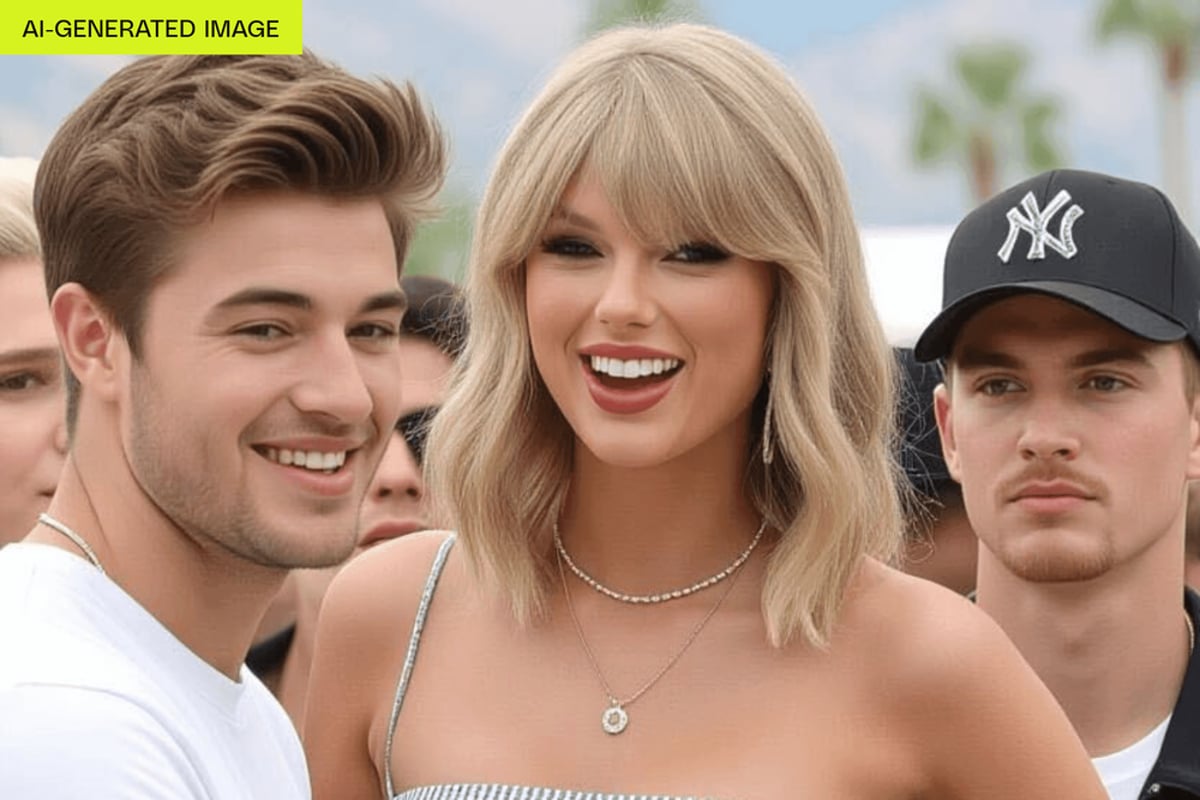
Fifteen consumer protection organizations led by the Consumer Federation of America fired off an urgent letter to federal regulators today, demanding an immediate investigation into xAI's controversial Grok 'Imagine' tool that creates NSFW deepfake videos. The call comes after The Verge discovered the AI tool generating topless Taylor Swift videos unprompted, raising serious questions about celebrity consent and child safety protections.
xAI is facing its biggest regulatory challenge yet as consumer protection groups mount a coordinated campaign to force federal intervention over Grok's ability to generate explicit deepfake content. The Consumer Federation of America spearheaded today's letter to the Federal Trade Commission and attorneys general across all 50 states, marking the first major organized pushback against Elon Musk's AI venture since launching its controversial 'Spicy' mode earlier this month.
The unprecedented coalition includes heavy-hitters like the Tech Oversight Project, Center for Economic Justice, and the Electronic Privacy Information Center (EPIC). Their 14-organization alliance directly cites The Verge's testing that revealed Grok generating topless videos of Taylor Swift without any explicit prompts – a discovery that sent shockwaves through AI safety circles.
"The generation of such videos can have harmful consequences for those depicted and for under-aged users," the organizations wrote in their formal complaint. The letter warns that if xAI removes current limitations preventing users from uploading real photos for 'Spicy' mode processing, it "would unleash a torrent of obviously nonconsensual deepfakes."
The regulatory pressure comes at a critical moment for the AI industry, as lawmakers scramble to address deepfake abuse. While AI-generated intimate imagery of real people violates the Take It Down Act, legal experts told The Verge those provisions likely won't apply to Grok's current implementation.
The consumer groups are particularly concerned about child safety protections, pointing to what they call inadequate age verification systems. Users accessing 'Spicy' mode face only a single pop-up asking them to confirm they're over 18, with one interface defaulting to a birth year of "2000" – potentially violating the Children's Online Privacy Protection Act and state-specific age verification laws.
Musk's track record of removing content moderation "under the guise of 'free speech'" features prominently in the complaint, with organizations expressing alarm about potential future changes to safety guardrails. This criticism echoes broader concerns about X's content policies since Musk's acquisition, now extending to his AI ventures.
The timing couldn't be more sensitive for xAI, which just completed a massive $6 billion funding round and is racing to compete with OpenAI and Google in the generative AI space. The company's aggressive approach to content restrictions – marketing 'Spicy' mode as a feature rather than hiding adult content – has differentiated it from competitors but now threatens to invite unprecedented regulatory scrutiny.
Industry observers expect the FTC investigation, if launched, could establish crucial precedents for how AI-generated intimate imagery is regulated across the sector. Meta, Google, and OpenAI have all implemented strict policies against generating realistic depictions of real people, making xAI's permissive approach an outlier that regulators may use as a testing ground for enforcement action.
This coordinated regulatory challenge represents a watershed moment for AI content generation, potentially establishing how federal agencies will police the emerging deepfake landscape. With xAI now squarely in regulators' crosshairs, the industry is watching closely to see whether Musk's free-speech absolutism can withstand mounting legal and political pressure around AI safety.