The line between traditional television and creator-driven content just blurred beyond recognition. During this week's upfront presentations - where media companies pitch advertisers on their upcoming programming - creator content claimed center stage for the first time, with networks like Fox and Warner Bros Discovery positioning independent creators as a core advertising category alongside their traditional slate. It's a remarkable pivot for an industry that spent years dismissing YouTube and TikTok as passing fads.
The 2026 upfronts just confirmed what the advertising industry has quietly known for months - creator content isn't alternative media anymore. It's the main event.
During the annual week-long ritual where television networks unveil their programming slates to Madison Avenue, YouTube wasn't the only platform highlighting creators. Fox, Warner Bros Discovery, and other traditional broadcasters dedicated significant portions of their presentations to creator-driven content strategies, positioning independent digital talent alongside their marquee scripted dramas and sports packages.
The move marks a watershed moment for an industry that's spent the better part of a decade watching younger audiences migrate to platforms built around personality-driven content rather than network brands. Now, instead of fighting that tide, legacy media is diving headfirst into creator partnerships - and asking advertisers to fund the transformation.
"This isn't about buying YouTube stars for cameos anymore," one media buyer who attended multiple upfront presentations told trade publications. "Networks are pitching creator content as a distinct ad product with its own metrics, audience guarantees, and pricing structures. It's being treated like a programming block."
The strategic shift comes as traditional TV advertising faces mounting pressure. Linear viewership continues its decade-long decline, particularly among the 18-34 demographic that advertisers covet most. Meanwhile, creator-led content on platforms like YouTube, TikTok, and Instagram commands engagement rates that make network prime time look anemic by comparison.
YouTube has long dominated this space, with its partner program supporting millions of creators and generating billions in ad revenue. But the platform's presence at upfronts - where it's pitched advertisers for several years running - apparently inspired traditional competitors to build their own creator ecosystems rather than cede the category entirely.
Fox reportedly showcased plans to integrate creators across its digital properties and streaming platforms, while Warner Bros Discovery emphasized how its Max streaming service could blend studio content with creator-driven series. The presentations signal that traditional media companies are finally willing to share billing - and ad dollars - with talent who built audiences without network development deals.
For advertisers, the appeal is straightforward. Creator content delivers measurable engagement, younger demographics, and often comes with built-in brand integration opportunities that feel more organic than traditional commercial breaks. The challenge has been scale - individual creators can reach millions, but coordinating campaigns across dozens of independent operators is exponentially harder than buying a prime-time spot during a network drama.
That's where traditional media companies see their opening. By aggregating creator content under their distribution umbrellas and offering unified ad packages, networks are essentially pitching themselves as creator MCNs (multi-channel networks) with premium infrastructure. It's a role YouTube has played for years, but legacy media brings established advertiser relationships and upfront spending commitments that dwarf most digital-first platforms.
The transformation isn't without friction. Creators who've built audiences outside the traditional system are wary of deals that might compromise their independence or content authenticity. And advertisers still need convincing that network-curated creator content will maintain the engagement metrics that make independent creators valuable in the first place.
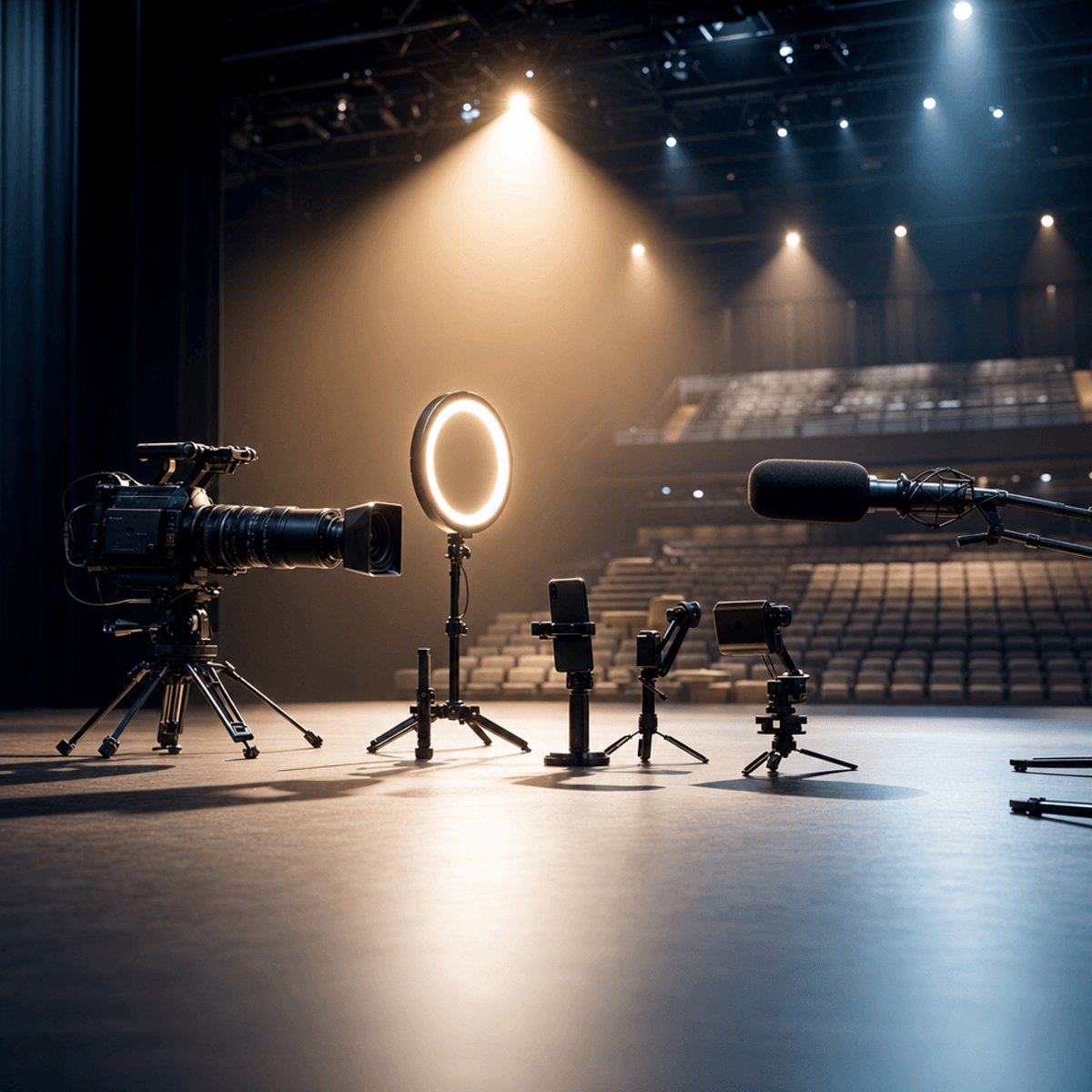
But the fact that creator content commanded main-stage attention at upfronts - rather than being relegated to digital add-on packages - suggests the industry has moved past the experimentation phase. Traditional TV is restructuring around a reality it can no longer ignore: the next generation of premium content isn't coming from studios. It's coming from creators with Ring lights and authentic connections to audiences that networks spent decades trying to program for.
The timing couldn't be more critical. With streaming platforms fragmenting audiences further and social media continuing to capture attention, traditional broadcasters need new content models that can compete on engagement rather than just reach. Creator partnerships offer that potential - if networks can figure out how to package independent talent without stripping away what made them appealing in the first place.
The 2026 upfronts won't be remembered for any single show announcement or celebrity appearance. Instead, they'll mark the moment when traditional television formally acknowledged that creator content has graduated from digital novelty to core advertising strategy. For networks, the challenge now is executing on those promises without diluting what makes creator content work. For creators, it's an opportunity to access advertising budgets that previously flowed exclusively to studios - provided they're willing to work within systems built for a very different content model. And for advertisers, it's a bet that networks can package creator authenticity at the scale that only traditional media infrastructure can provide. The real test comes when the fall season launches and the industry discovers whether creator content can deliver on upfront promises or if this was just an expensive acknowledgment that YouTube was right all along.