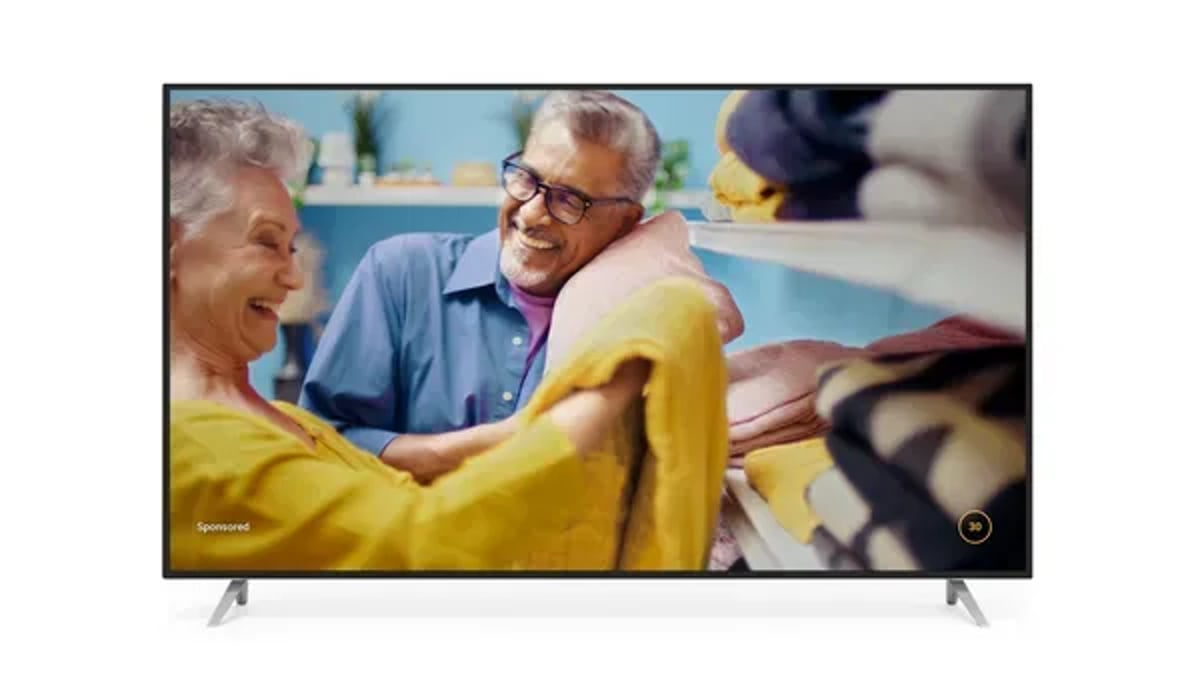
Google just made it harder to skip your way through YouTube ads. The company quietly rolled out VRC Non-Skip ads globally through Google Ads and Display & Video 360, marking a significant push into TV-style brand advertising powered by AI targeting. The move positions Google to capture more premium advertising dollars as brands hunt for guaranteed viewer attention in an increasingly fragmented media landscape.
Google is betting big that advertisers will pay premium rates for something viewers actively hate: unskippable ads. The company's VRC (Video Reach Campaigns) Non-Skip ad format just went live globally, giving brands the ability to force 15 to 20-second messages onto YouTube viewers without that blessed "Skip Ad" button appearing.
The timing isn't accidental. As linear TV viewership continues its freefall and streaming services fragment audiences across dozens of platforms, advertisers are desperate for guaranteed impressions. Google's pitch is simple: combine YouTube's massive reach with AI-powered targeting to deliver the brand-building impact of TV commercials, but with digital precision.
According to the official announcement on Google's blog, the format is now accessible through both Google Ads and Display & Video 360, the company's enterprise advertising platform. That dual availability signals Google's intent to serve both small businesses and major brand advertisers hunting for premium video inventory.
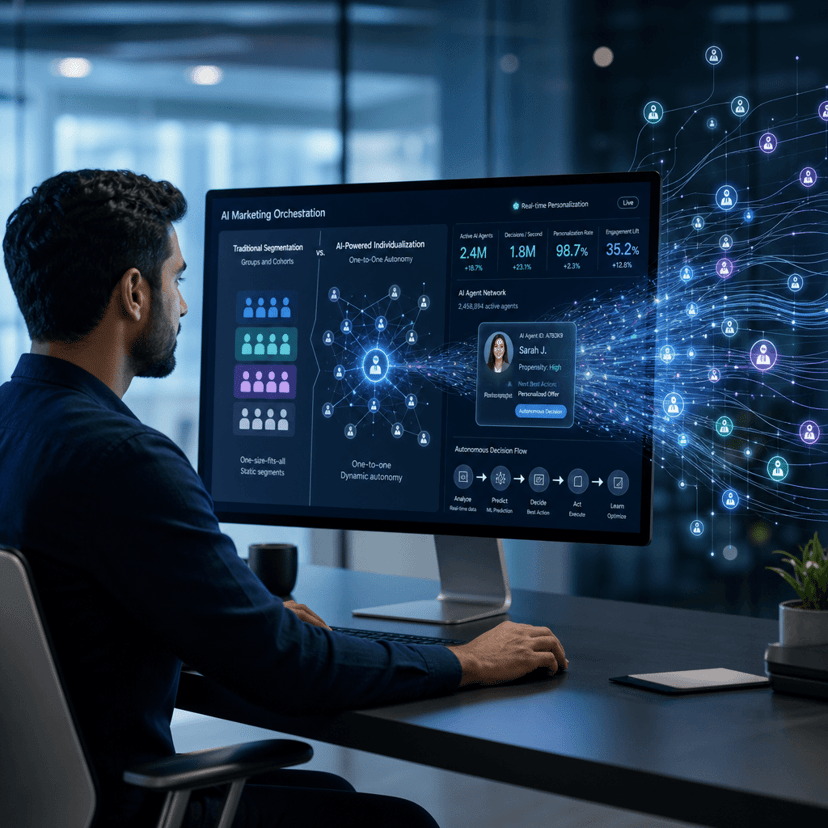
The "AI" angle here isn't just marketing speak. Google's leveraging machine learning to optimize which viewers see these non-skippable units, theoretically serving them to audiences most likely to engage with the brand message. It's the same predictive targeting that powers Google's search ads, now applied to forcing people to watch your commercial.
For advertisers, this solves a real problem. Skippable ads might be cheaper, but they're also largely ignored - industry data suggests most viewers bail within five seconds. Non-skippable formats guarantee message delivery, which matters when you're trying to build brand awareness rather than drive immediate clicks. That's why Meta and other platforms have also been pushing longer, less-skippable ad experiences.
But there's tension here. YouTube built its dominance partly by being less annoying than traditional TV. Too many forced ads risk pushing viewers toward ad blockers or competitors. Netflix famously resisted ads for years before launching a cheaper ad-supported tier. Now every streaming platform is walking the same tightrope: monetize without alienating.
The global rollout suggests Google's internal testing showed acceptable viewer tolerance levels. The company's been experimenting with non-skippable formats for years, gradually expanding from 15-second bumper ads to longer forced-view units. This general availability marks the format's graduation from test program to core advertising product.
Display & Video 360 integration is particularly significant for marketing teams. The platform gives advertisers programmatic access to YouTube inventory alongside other video sources, with unified measurement and campaign management. That enterprise-grade tooling makes VRC Non-Skip ads appealing for major brands running coordinated campaigns across multiple channels.
The move also intensifies competition with Amazon's growing advertising business and traditional TV networks launching their own streaming ad products. Everyone's fighting for the same pool of brand advertising dollars, and forced-view inventory is seen as premium real estate worth higher CPMs (cost per thousand impressions).
What Google hasn't disclosed: completion rates, viewer sentiment data, or pricing details. Those metrics will determine whether advertisers actually adopt this format at scale or stick with cheaper, skippable alternatives. Early adoption will likely come from big brands with awareness-focused budgets rather than performance marketers obsessed with click-through rates.
Google's global launch of non-skippable ads represents a calculated bet that advertisers value guaranteed attention more than viewers hate forced commercials. As digital video increasingly replaces linear TV, expect more platforms to follow suit with similar forced-view formats. The real test will be whether AI targeting makes these ads relevant enough that viewers tolerate them, or whether this accelerates the arms race between ad blockers and ad servers. For now, brands get their TV-style reach with digital targeting, and viewers lose another skip button.