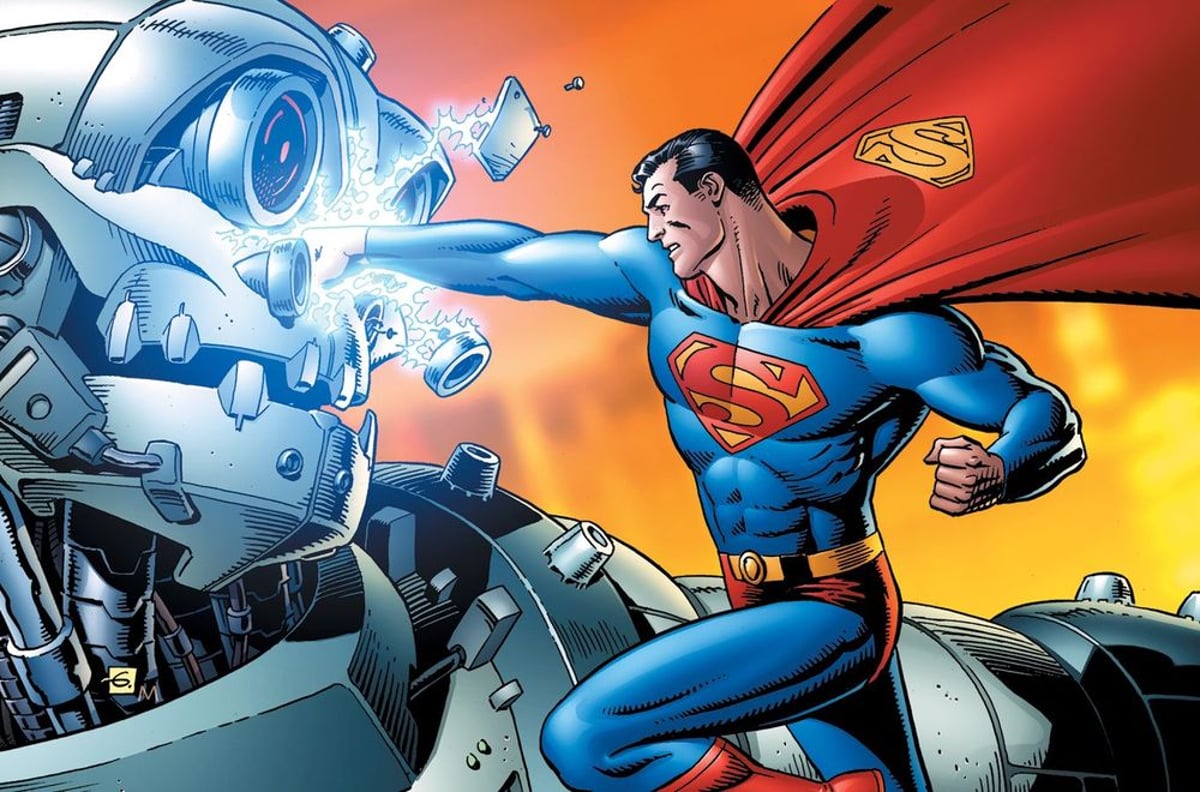
DC Comics is drawing a line in the sand against artificial intelligence. President and publisher Jim Lee declared at New York Comic Con that the company will never use AI-generated storytelling or artwork, making DC one of the first major entertainment companies to take such a definitive anti-AI stance. The move comes as creative industries grapple with AI's rapid advancement and growing concerns about job displacement.
The comic book industry just got its most definitive statement yet on artificial intelligence. DC Comics president and publisher Jim Lee didn't mince words at New York Comic Con Wednesday, telling fans that his company "will not support AI-generated storytelling or artwork" under any circumstances. "Not now, not ever, as long as [SVP, general manager] Anne DePies and I are in charge," Lee declared during his panel.
The announcement lands as creative industries wrestle with generative AI's explosive growth and mounting fears about job displacement. Lee's comparison of AI concerns to "the Millennium bug scare and NFT hype" suggests he sees the current panic as overblown, but his company's stance is anything but casual.
"People have an instinctive reaction to what feels authentic. We recoil from what feels fake. That's why human creativity matters," Lee explained to the Comic Con audience. His most pointed critique targeted AI's fundamental nature: "AI doesn't dream. It doesn't feel. It doesn't make art. It aggregates it."
This isn't just philosophical positioning - it's damage control. DC has stumbled through several embarrassing AI scandals recently, with variant comic book covers suspected of using generative AI sparking fierce backlash from fans and artists. The company was forced to pull and replace multiple covers after accusations surfaced.
While DC has maintained a longstanding policy requiring original, authentically produced artwork, the recent controversies exposed gaps in enforcement. Artist communities, already anxious about AI tools potentially replacing human creators, seized on these incidents as evidence of corporate cost-cutting at creativity's expense.
Lee's response attempts to reframe the debate around brand authenticity rather than just employment concerns. "Anyone can draw a cape. Anyone can write a hero. That's been around as long as comics have been - it's called fanfiction, and there's nothing wrong with fanfiction," he said. "But Superman only feels right when he's in the DC universe. Our universe, our mythos. That's what endures."
The timing is strategic. As OpenAI and other AI companies push deeper into creative applications, traditional media companies face pressure to either embrace the technology for cost savings or resist it to preserve brand integrity and workforce relationships. DC's choice puts it squarely in the resistance camp.
This stance carries real business implications. AI-generated artwork costs a fraction of commissioned human art, and automation could theoretically speed up production timelines. By rejecting these tools entirely, DC is betting that authentic human creativity provides competitive advantage worth the extra expense.
The declaration also positions DC against industry trends. While Disney and Netflix quietly experiment with AI in animation and content creation, DC is making opposition part of its brand identity. It's a calculated risk that human-made content will remain more valuable to consumers than AI alternatives.
Lee's comments reflect broader tensions in creative industries. Writers and artists increasingly view AI as an existential threat rather than a helpful tool. The recent Hollywood strikes partly centered on AI usage restrictions, and similar concerns are spreading through publishing, gaming, and digital media.
For DC, the pledge serves multiple purposes: it reassures nervous creative talent, differentiates the brand from competitors, and gives marketing teams a clear message about artistic integrity. Whether other major publishers follow suit could determine if this becomes industry standard or leaves DC at a competitive disadvantage.
The "not ever" language is particularly notable - it's stronger than typical corporate hedging and suggests genuine philosophical commitment rather than temporary positioning. But with AI capabilities advancing rapidly and cost pressures mounting, maintaining this stance long-term may prove challenging as leadership changes.
DC's hardline anti-AI stance marks a pivotal moment for creative industries facing automation pressure. While competitors quietly experiment with AI cost savings, DC is betting that authentic human creativity provides lasting competitive advantage. The move reassures artists and fans while setting up a fascinating test case - can traditional creative processes compete economically with AI alternatives? Lee's 'not ever' promise means DC will either prove human creativity's irreplaceable value or find itself reconsidering when business realities shift. Either way, the comic book industry just got its clearest battle line yet in the AI wars.