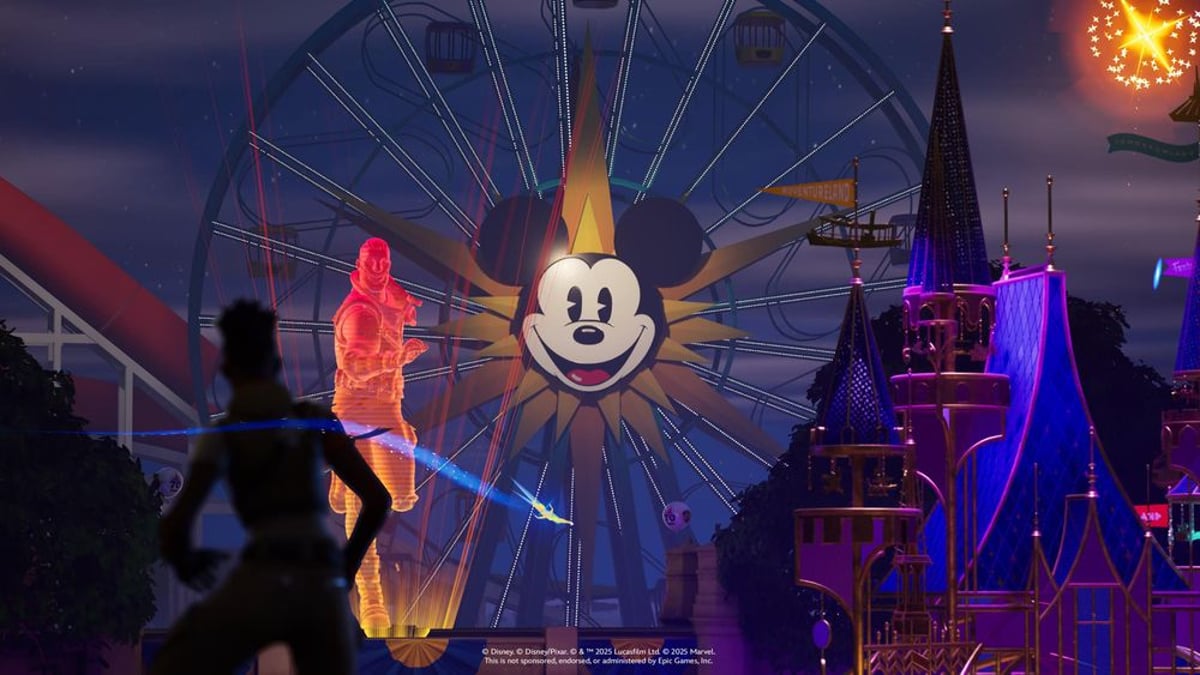
Disney's massive $1.5 billion investment in Epic Games is finally showing its hand. The entertainment giant just launched Disneyland Game Rush, a collection of theme park-inspired minigames inside Fortnite that offers the first real glimpse of what their "persistent universe" partnership might actually look like. It's not just another branded crossover - it's a test run for a virtual theme park that could reshape how Disney reaches digital audiences.
Disney just dropped the first real hint of what its $1.5 billion bet on Epic Games actually means. After months of speculation about their "persistent universe" partnership, the entertainment giant is launching Disneyland Game Rush tomorrow - a collection of theme park-inspired minigames living inside Fortnite.
The timing couldn't be more telling. Disney's February investment in Epic raised eyebrows across the industry, but concrete details remained scarce. Now we're seeing the first tangible result: seven minigames based on actual Disneyland attractions, all connected through a hub area that recreates the feel of walking through the iconic theme park.
What makes this different from typical branded content is the structure itself. Disneyland Game Rush operates as a mostly self-contained space within Fortnite's ecosystem. Players can explore a Haunted Mansion treasure hunt, blast robot spiders in a Spider-Man shooting gallery, or climb an icy Matterhorn Mountain. The experiences rotate randomly, creating the unpredictability that keeps players coming back.
But here's where it gets interesting from a business perspective. The cosmetics you unlock - like that golden Minnie Mouse hat hidden behind secret keys - only work within Disney's island. It's still Fortnite under the hood, so your experience points carry over, but Disney maintains complete control over their branded corner of the metaverse.
"Disney wants a persistent place where all things Disney can be there, but they want to be part of an ecosystem we've built," Epic EVP Saxs Persson told The Verge last year. "We see the power of ecosystems interoperating as being really the magic here."
That vision is starting to crystallize. While the minigames themselves aren't as elaborate as Lego's Fortnite offerings, they serve a different purpose entirely. This isn't about building the most complex gameplay - it's about testing how Disney can create branded experiences that feel native to gaming platforms while maintaining their family-friendly positioning.
The limited-time nature of the launch suggests Disney's treating this as a pilot program. They're watching how players interact with Disney-branded content in a space that's simultaneously part of Fortnite and separate from it. The data from this experiment will likely inform much bigger plans.
Consider the broader context: Disney properties have been flooding Fortnite recently, with the battle royale currently featuring a Simpsons takeover. Each integration teaches Disney more about how their IP translates to digital spaces and what audiences actually want from virtual Disney experiences.
The real innovation here isn't the games themselves - it's the hybrid model. Players can flow seamlessly between Disney content and the broader Fortnite ecosystem while Disney maintains control over their brand experience. It's a solution to the fundamental tension between platform openness and brand safety that's plagued every major entertainment company's digital strategy.
This approach could reshape how entertainment giants think about the metaverse. Instead of building separate virtual worlds from scratch, they're learning to create controlled experiences within existing gaming ecosystems where audiences already spend time.
For Epic, Disney's partnership validates their platform strategy. They're not just building a game - they're creating infrastructure that lets major brands experiment with virtual experiences without the massive upfront investment of building their own metaverse from scratch.
Disney's Disneyland Game Rush represents more than just another branded gaming partnership - it's a proof of concept for how entertainment giants can maintain brand control while tapping into existing gaming ecosystems. If successful, expect this hybrid model to become the template for how major brands approach the metaverse: not by building separate virtual worlds, but by creating controlled experiences within platforms where audiences already live. The real test isn't whether the minigames are fun, but whether Disney can translate this experiment into a sustainable business model that bridges traditional entertainment and digital-first audiences.