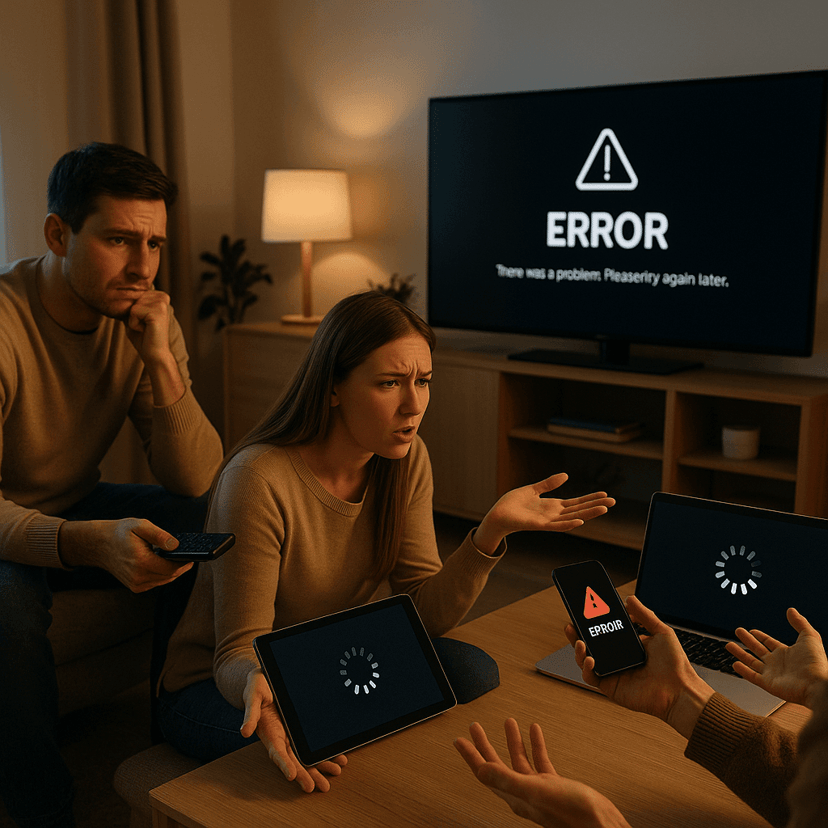
Another carriage fight is brewing in streaming. Disney just warned its networks - including ESPN and ABC - could disappear from YouTube TV next week if the companies can't strike a new deal by October 30. The potential blackout would hit 10 million subscribers right in the middle of NFL season and the start of NBA coverage.
Disney isn't bluffing this time. The media giant started running warning messages to YouTube TV subscribers Thursday at 5 p.m. ET, alerting them that ESPN, ABC, and other Disney-owned networks will vanish from the platform if negotiations collapse by October 30 at 11:59 p.m.
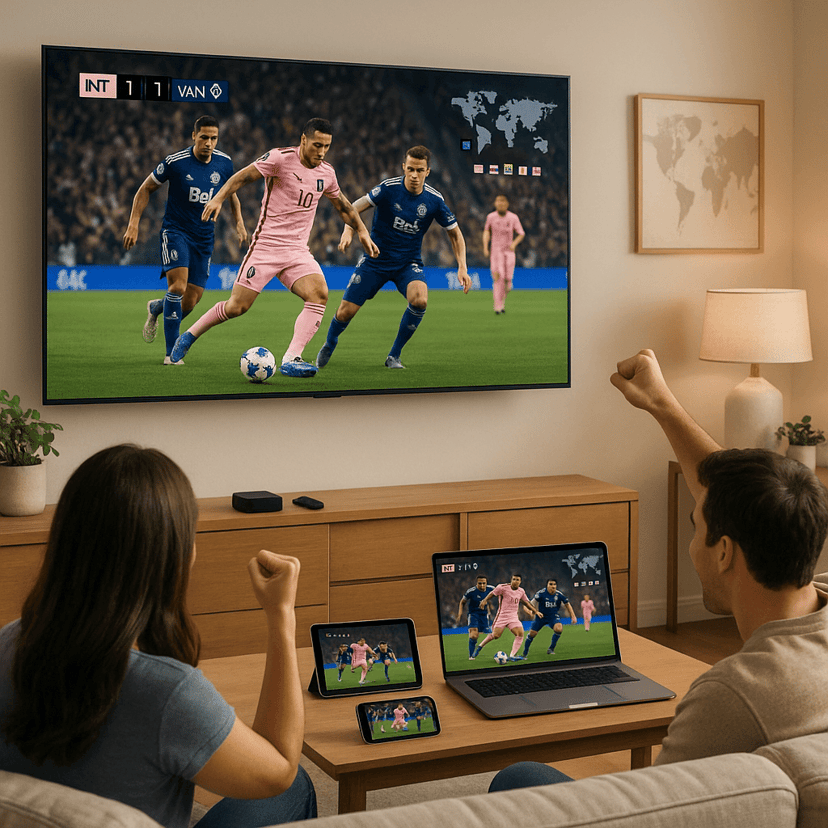
The timing couldn't be worse for sports fans. We're talking about losing NFL games, college football, NBA season openers, and NHL coverage right when viewership peaks. "If we don't reach a fair deal soon, YouTube TV customers will lose access to ESPN and ABC, and all our marquee programming," a Disney spokesperson said in a statement that pulled no punches about Google's negotiating tactics.
This feels like déjà vu all over again. Just last month, YouTube TV went through the exact same drama with NBCUniversal, threatening to drop networks before reaching a temporary extension and eventually inking a deal. But this Disney dispute has deeper roots and messier politics.
Here's what's really happening behind closed doors. YouTube TV wants better rates for Disney's programming - which makes sense given they've grown to 10 million subscribers and have more leverage than smaller platforms. But they're also pushing for something Disney absolutely won't give: the ability to integrate Disney's streaming content directly into the YouTube platform.
According to people familiar with the negotiations, YouTube TV wants subscribers to access Disney+, Hulu, and ESPN+ without ever leaving YouTube's ecosystem. It's the same request they made during NBCUniversal talks, and got shot down there too. Disney's response? Not happening.
"Unfortunately, Disney is proposing costly economic terms that would raise prices on YouTube TV customers and give our customers fewer choices, while benefiting Disney's own live TV products," YouTube TV fired back in their own statement. They're specifically calling out Disney's Hulu + Live TV service and the upcoming Fubo acquisition as competitive conflicts.
The personal drama adds another layer. YouTube hired former Disney distribution executive Justin Connolly earlier this year, which prompted Disney to file a breach of contract lawsuit. Connolly has recused himself from these negotiations, but the bad blood is obvious.
What's interesting is Disney's negotiating position. They're offering YouTube TV the same terms they gave Charter Communications two years ago - that unusual deal that bundled Disney+, Hulu, and ESPN+ access for certain Charter subscribers at no extra charge. For Disney, it's a take-it-or-leave-it offer based on their biggest cable deal.
But Google isn't Charter. YouTube TV operates differently, with different technical capabilities and different subscriber expectations. They want content integration that traditional cable companies never asked for, which threatens Disney's direct-to-consumer strategy.
The economics are brutal for both sides. Disney needs carriage fees from YouTube TV's 10 million subscribers, especially as traditional cable continues bleeding customers. But they can't set a precedent that undermines their streaming services. YouTube TV, meanwhile, can't afford to lose Disney content during peak sports season without massive subscriber churn.
If the blackout happens, YouTube TV promises a $20 monthly credit to affected subscribers - the same playbook they used during the NBCUniversal standoff. But credits don't replace live sports, and sports are increasingly the only reason people pay for live TV.
The broader industry is watching closely because these disputes are becoming routine. Every major content company has fought with YouTube TV over rates and terms in the past two years. NBCUniversal, Disney, and others are testing Google's willingness to pay premium rates as YouTube TV grows into a legitimate cable replacement.
We'll know by next Thursday whether this is another negotiating tactic or if millions of subscribers will actually lose access to Monday Night Football and the NBA season. Based on YouTube TV's track record, expect a last-minute extension followed by a deal that neither side loves but both can live with.
This Disney-YouTube TV showdown represents everything wrong with the streaming transition - legacy media companies clinging to old carriage fee models while tech platforms demand new integration terms that threaten traditional business lines. Whether this ends in another last-minute deal or an actual blackout, it signals that carriage disputes are now permanent features of the streaming landscape. For subscribers, it's a reminder that cutting the cord doesn't mean avoiding the same content fights that plagued cable TV for decades.