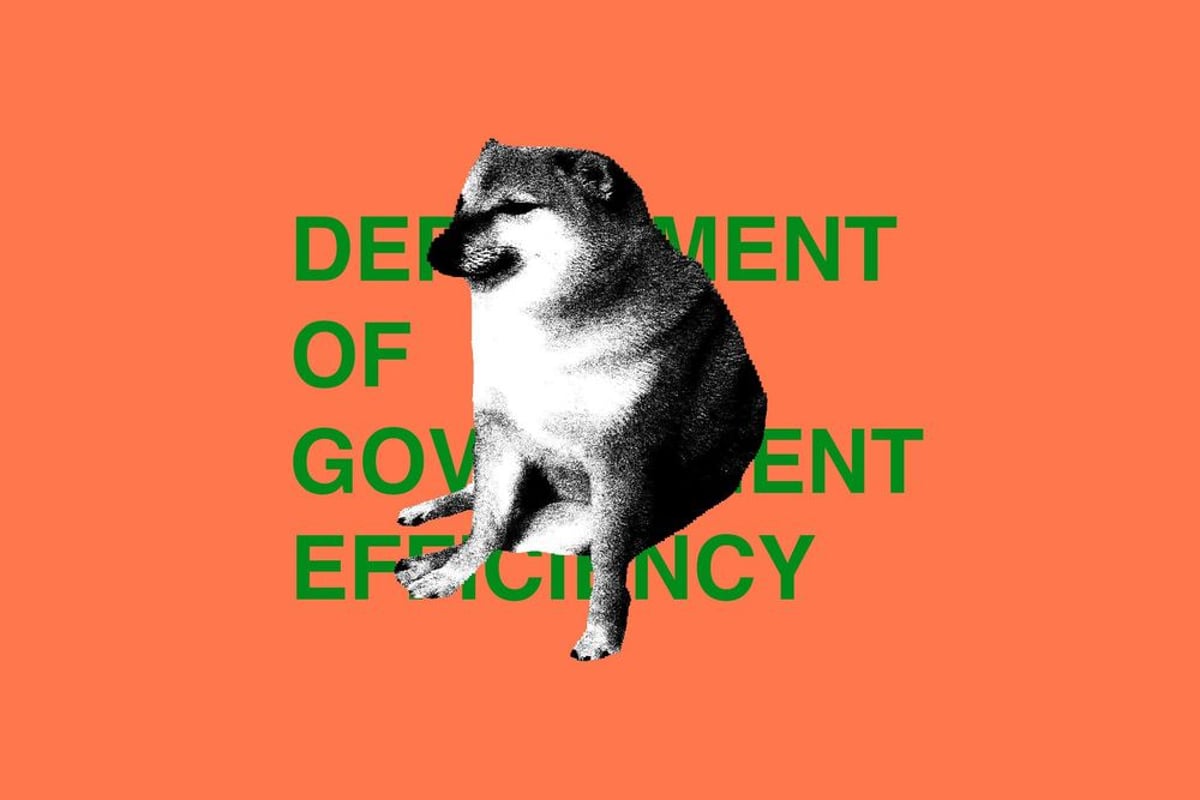
The Department of Government Efficiency has officially dissolved after Elon Musk's chaotic exit from Washington triggered a power vacuum that tore the agency apart from within. What started as an ambitious plan to slash trillions in government spending has ended with the White House telling reporters the department "doesn't exist" anymore.
The most ambitious government efficiency project in decades just imploded spectacularly. Tesla CEO Elon Musk's Department of Government Efficiency - the agency that was supposed to revolutionize Washington spending - has been officially dissolved after internal warfare tore it apart from the inside.
The collapse started in April when Musk began backing away from his DOGE leadership role, citing conflicts with his Tesla responsibilities. By June, he was completely gone from DC, leaving behind what Politico describes as "significant ill will" and a dangerous power vacuum.
Musk's DC tenure was nothing short of explosive. The billionaire entrepreneur swept through Washington "with a figurative chainsaw," slashing budgets and making power grabs that angered government employees and alienated key allies like Secretary of State Marco Rubio and Transportation Secretary Sean Duffy. The tensions reached a breaking point when Musk had a minor physical altercation with Treasury Secretary Scott Bessent.
By late May, both DOGE and Musk had completely lost favor with President Trump. White House aides began pushing back more forcefully against the fledgling agency. When Musk received his official farewell on May 30th, the White House also pushed out his right-hand man, Steve Davis.
But Davis, an engineer who'd worked with Musk for over 20 years, simply refused to leave. He stepped in to take control, but this move didn't sit well with remaining DOGE staffers. The department essentially split in two - those loyal to Davis and those who wanted him gone.
When staffers uncomfortable with Davis's leadership tried planning DOGE's future without him, Davis accused them of staging a coup. The White House quickly identified and rooted out his loyalists, ending his brief consolidation attempt in less than two weeks.
What followed was a series of restructurings and leadership changes that ultimately killed DOGE as a functioning organization. When Reuters contacted the White House earlier this month to ask about DOGE's status, officials simply said "that doesn't exist."
The irony is stark. Musk rode into Washington with grand ambitions of slashing government spending by trillions of dollars. Instead, government spending actually increased during his brief tenure, and he left behind a trail of burned bridges and a completely dissolved department.
The DOGE saga reveals how Silicon Valley's disruptive approach can backfire spectacularly in Washington's complex political environment. Musk's corporate executive style - accustomed to getting what he wants through decisive action - proved incompatible with government bureaucracy's intricate power structures and relationship-based operations.
For the Trump administration, DOGE's collapse represents a significant setback to promised government reforms. The department was supposed to be a flagship efficiency initiative, proving that business leaders could succeed where career politicians failed. Instead, it became a cautionary tale about the limits of private sector solutions in public governance.
DOGE's dissolution after just eight months marks one of the most spectacular government initiative failures in recent memory. Musk's inability to adapt his corporate leadership style to Washington's political realities not only derailed his efficiency mission but actually increased the very government spending he promised to cut. The saga serves as a stark reminder that disrupting government requires more than just Silicon Valley ambition - it demands an understanding of political dynamics that even tech's most successful leaders sometimes lack.