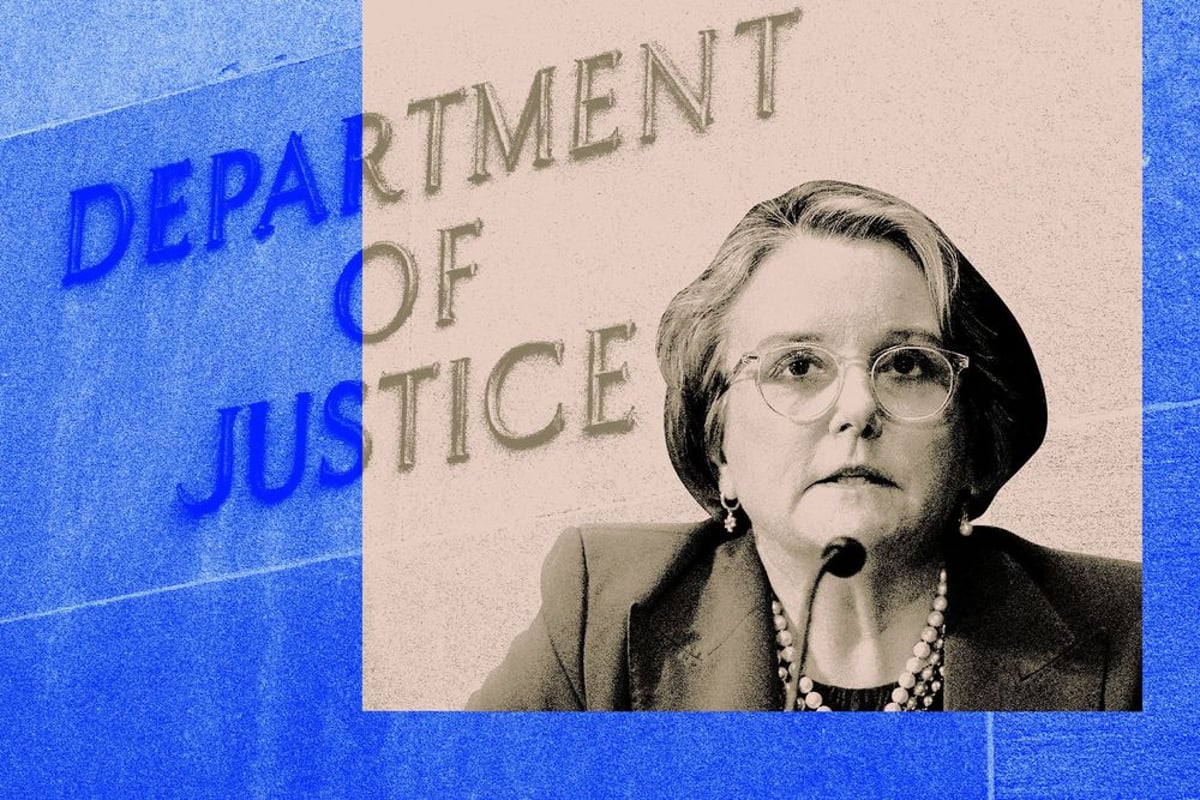
The Justice Department just lost its top antitrust enforcer at a critical moment. Gail Slater announced her departure Thursday as Assistant Attorney General for Antitrust, leaving a leadership vacuum just weeks before the government's high-stakes monopoly trial against Live Nation begins. The timing raises immediate questions about the continuity of the DOJ's aggressive antitrust agenda and its ongoing cases against major tech companies.
The Department of Justice is scrambling to regroup after losing its top antitrust cop. Gail Slater, who served as Assistant Attorney General for the Antitrust Division, dropped the news Thursday in a personal post on X, calling the role "the honor of a lifetime" while offering no explanation for the abrupt exit.
The timing couldn't be more awkward. The DOJ is set to face off against Live Nation in court in just a few weeks, seeking to break up the entertainment giant's grip on the live events industry through its Ticketmaster subsidiary. That case represents one of the government's most significant monopoly challenges in years, and now it's moving forward without the person who's been steering the ship.
"It is with great sadness and abiding hope that I leave my role as AAG for Antitrust today," Slater wrote in her departure message. She thanked the Antitrust Division staff but gave no hint about her next move or what triggered the decision.
Attorney General Pam Bondi acknowledged Slater's service in a statement but dodged the obvious questions. She didn't explain why Slater left or reveal who might take over one of the most consequential positions in government antitrust enforcement. That silence is fueling speculation in legal and policy circles about whether this was a voluntary departure or something more complicated.
Slater came into the role with serious credentials. She'd worked on antitrust issues for years, including stints at the Federal Trade Commission and in private practice. She took the helm at a moment when the DOJ was ramping up its scrutiny of both tech platforms and traditional industries where competition had withered.
The Live Nation case has been a centerpiece of that renewed enforcement push. The government alleges the company has built an illegal monopoly in live entertainment, controlling everything from venue operations to ticketing to artist management. According to the DOJ's complaint, Live Nation's dominance has led to higher prices, worse service, and fewer choices for fans and artists alike.
But Live Nation isn't the only major case hanging in the balance. The Antitrust Division has been deeply involved in challenges against tech companies, including ongoing litigation around search monopolies, app store practices, and platform dominance. Career staff will continue working these cases, but leadership transitions always create uncertainty about strategy and priorities.
The lack of clarity about succession planning is particularly striking. In previous administrations, departures at this level typically came with clear handoff plans. The fact that Bondi's statement offered no guidance suggests this wasn't a long-planned transition. That's raising eyebrows among antitrust lawyers and policy watchers who've been following the DOJ's increasingly aggressive enforcement stance.
Industry observers note that Slater's departure could signal broader shifts in how the current administration approaches antitrust enforcement. The next person to lead the division will inherit not just the Live Nation case but a full docket of high-stakes matters that could reshape how major corporations operate.
For now, the Antitrust Division's career attorneys will keep the cases moving forward. These are seasoned litigators who don't need daily supervision to do their jobs. But trials require strategic decisions, settlement discussions involve policy judgments, and new investigations need green lights from leadership. All of that becomes more complicated when there's a vacancy at the top.
The Live Nation trial will be the first major test of how the division operates in this new reality. Prosecutors have been preparing for months, and they're not about to ask for a delay. But opposing counsel will be watching closely for any signs of uncertainty or shifts in the government's approach now that Slater is gone.
Meanwhile, companies facing antitrust scrutiny are likely recalculating their strategies. Leadership changes can create openings for settlements or shifts in enforcement priorities. The tech industry in particular has been bracing for continued aggressive oversight, and Slater's exit introduces a new variable into those calculations.
The bigger question is what this means for the DOJ's overall antitrust agenda. The division has been on an enforcement tear, challenging mergers and business practices that might have sailed through in earlier years. Whether that continues with the same intensity will depend heavily on who takes Slater's seat and what mandate they receive from the Attorney General.
Slater's sudden exit leaves the DOJ's Antitrust Division in an unusual position - moving forward with major trials and investigations without permanent leadership. The next few weeks will reveal whether this is just a personnel hiccup or signals a more fundamental shift in how aggressively the government pursues monopoly cases. For companies under antitrust scrutiny, that uncertainty is itself a major development. And for the public, it raises questions about whether the government's renewed commitment to competition enforcement will survive leadership transitions at critical moments.