DoorDash just confirmed a data breach that exposed phone numbers, addresses, and email data for an undisclosed number of users across its platform. The breach, stemming from a social engineering attack that fooled an employee, impacted customers, delivery workers, and merchants - though the company insists no "sensitive information" was accessed and won't say how many people were affected.
DoorDash is dealing with another cybersecurity headache after confirming hackers accessed user data including phone numbers and physical addresses. The delivery giant disclosed the breach in a security notice last week, but it's raising more questions than answers about the scope and impact.
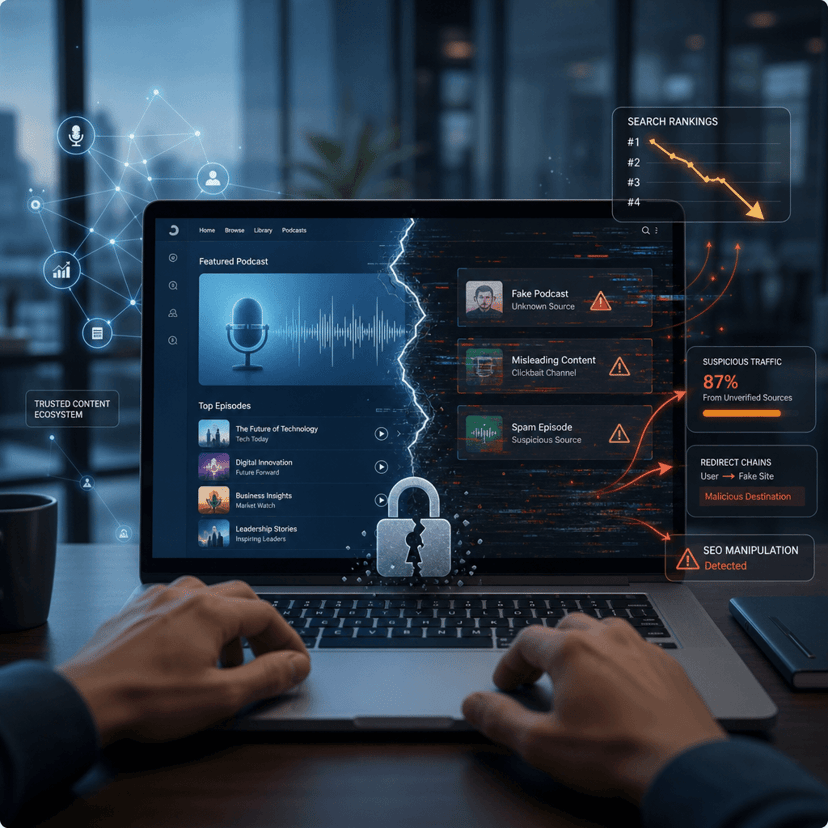
The attack started with what security experts call a classic social engineering play - hackers convinced a DoorDash employee to hand over access to internal systems. It's the same playbook we've seen work against everyone from Uber to Twitter, where human psychology becomes the weakest link in otherwise solid defenses.
What's concerning is DoorDash's refusal to specify exactly how many users got caught up in this mess. The company only says the breach "impacted a mix of customers, delivery workers, and merchants" - which could mean thousands or millions of people. When TechCrunch pressed for specifics, DoorDash went silent.
The stolen data includes names, email addresses, phone numbers, and physical addresses. For a delivery platform, that's basically the crown jewels of customer information. Yet DoorDash maintains that "no sensitive information was accessed" - a statement that feels like corporate doublespeak when your home address is literally where food gets delivered.
To DoorDash's credit, they moved quickly once they spotted the intrusion. The company says it immediately cut off hackers' access, launched an internal investigation, and reported the incident to law enforcement. They're also claiming no financial data got compromised - no Social Security numbers, driver's licenses, or payment card information made it out the door.
But this isn't DoorDash's first rodeo with data breaches. The company has faced multiple security incidents over the years, including a 2019 breach that affected nearly 5 million users. Each incident chips away at user trust in an industry where personal data is everything.
The timing couldn't be worse for the food delivery sector. With Uber Eats and Grubhub all fighting for market share, security incidents become competitive disadvantages. Users might think twice about ordering if they're worried about their data getting leaked.
Social engineering attacks are becoming the go-to method for cybercriminals because they work. Instead of trying to crack complex security systems, they just trick employees into opening the door. Recent high-profile attacks on companies like Okta and LastPass followed similar patterns.
What makes this particularly frustrating is that social engineering is largely preventable with proper training and protocols. But even the most security-conscious companies struggle when determined attackers target the human element.
DoorDash says they've notified affected users, though it's unclear what specific steps they're taking to protect people whose addresses and phone numbers are now floating around the dark web. The company also hasn't said whether they're offering credit monitoring or other protective services.
The incident highlights a broader problem in the gig economy where platforms collect massive amounts of personal data from both customers and workers. When that data gets breached, the ripple effects touch everyone from hungry customers to drivers trying to make ends meet.
DoorDash's latest breach serves as another reminder that even major tech platforms remain vulnerable to basic social engineering tactics. While the company insists no "sensitive" data was stolen, having your phone number and address in hackers' hands feels pretty sensitive to affected users. The real test will be whether DoorDash can rebuild trust and prevent future incidents - because in the competitive food delivery market, customers have plenty of other options if they lose confidence in your security.