Eclipse just closed a $1.3 billion fund targeting what the firm calls 'physical AI' - the convergence of artificial intelligence with robotics, autonomous systems, and hardware. But here's the twist: Eclipse isn't just writing checks. The venture firm plans to use a portion of the capital to incubate and build startups from scratch, marking an aggressive bet that the next wave of AI breakthroughs will happen in the physical world, not just in data centers.
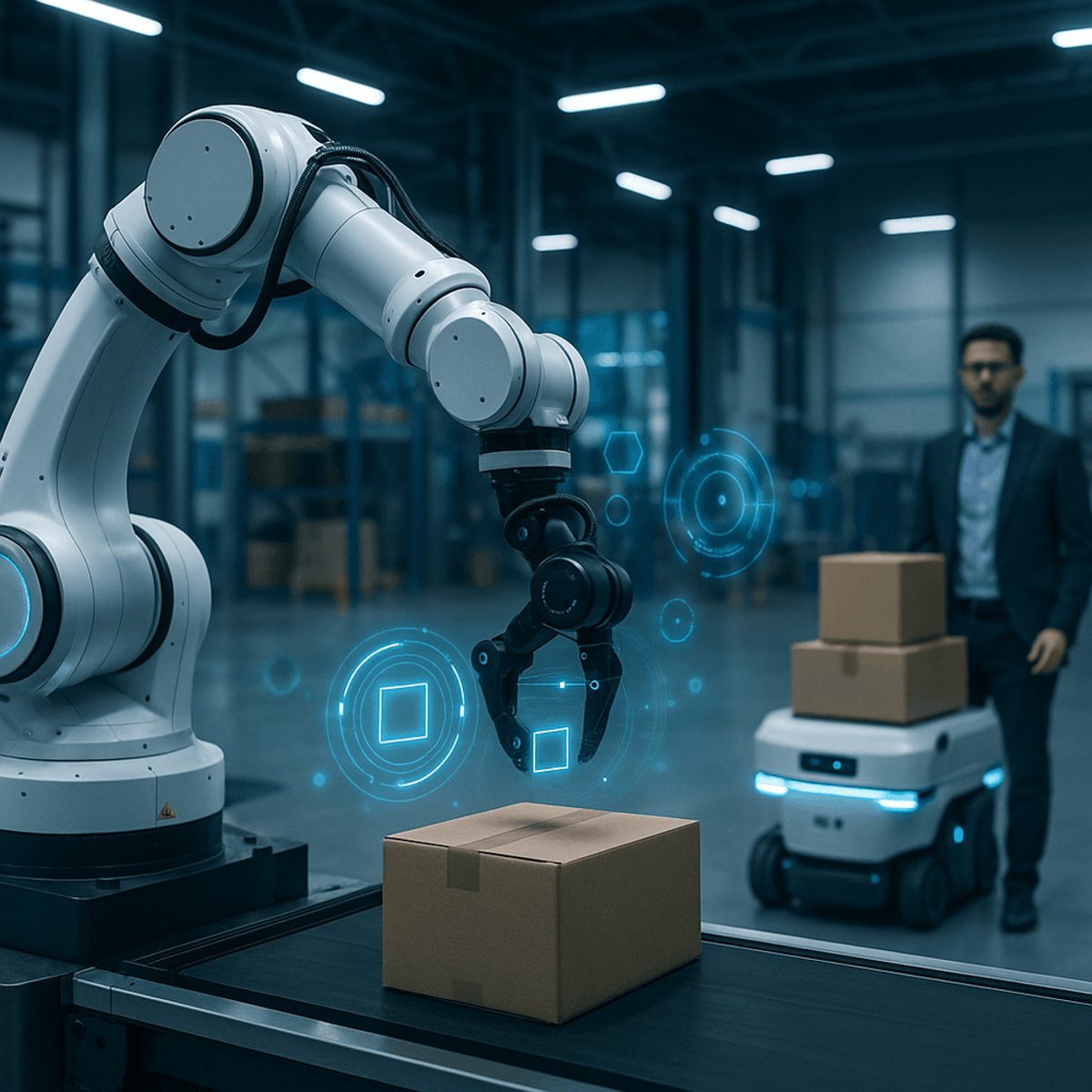
Eclipse is making a massive bet that artificial intelligence's most valuable applications won't live in the cloud - they'll drive forklifts, assemble products, and navigate warehouses. The venture firm just secured $1.3 billion in fresh capital dedicated entirely to what it calls 'physical AI,' a category encompassing everything from autonomous robots to smart manufacturing systems.
The raise comes as the broader AI investment landscape shows signs of maturation. While software-focused AI startups have attracted hundreds of billions in recent years, physical AI remains comparatively underserved despite recent breakthroughs in robotics and computer vision. Eclipse is betting that gap represents opportunity.
What sets this fund apart isn't just its size - it's Eclipse's hybrid approach to deployment. Rather than functioning purely as a traditional venture firm cutting checks to founders, Eclipse plans to allocate a portion of the $1.3 billion toward incubating companies internally. That means the firm will actively participate in building startups from the ground up, identifying white space opportunities in physical AI and assembling teams to pursue them.
This studio model has gained traction in recent years as VCs look for ways to derisk early-stage investments and capture more upside. By incubating companies, Eclipse can control initial product direction, recruit founding teams, and potentially secure better economics than traditional seed investments. It's a strategy that requires deep operational expertise - something Eclipse has been building through its previous funds focused on infrastructure and enterprise technology.
The physical AI thesis rests on several converging trends. Hardware costs for sensors, actuators, and compute have plummeted over the past decade. Machine learning models can now process visual and spatial data in real-time. And critically, labor shortages across manufacturing, logistics, and agriculture are creating urgent demand for automation solutions that actually work in messy, unstructured environments.
Eclipse's timing aligns with notable momentum in the robotics sector. Companies building warehouse automation systems, agricultural robots, and manufacturing cobots have started demonstrating real revenue and customer retention. The technology has finally caught up to decades of inflated promises, and investors are taking notice.
But building physical AI companies comes with unique challenges that pure software ventures don't face. Hardware requires manufacturing partnerships, supply chain management, and much longer development cycles. Iteration happens in weeks or months, not days. Unit economics depend on physical goods, not just marginal costs approaching zero. These factors make physical AI startups capital-intensive and complex - exactly the kind of environment where a well-resourced venture studio model could provide advantages.
The $1.3 billion fund also positions Eclipse to lead larger funding rounds as portfolio companies scale. Physical AI startups often need substantial Series B and C rounds to finance manufacturing, inventory, and go-to-market operations. Having deep reserves lets Eclipse maintain ownership through multiple stages rather than getting diluted as companies mature.
Competition in the physical AI investment space is heating up. Specialized robotics funds, corporate venture arms from manufacturing giants, and crossover investors have all increased their activity in the category. Eclipse's differentiation lies in its willingness to build companies, not just back them - a higher-risk, higher-reward approach that could yield outsized returns if successful.
The fund arrives as regulatory and economic conditions increasingly favor domestic manufacturing and supply chain resilience. Reshoring initiatives and geopolitical tensions have made automated domestic production more attractive to both startups and enterprise customers. Physical AI solutions that enable competitive manufacturing in high-cost labor markets stand to benefit from these macro tailwinds.
Eclipse hasn't disclosed specific allocation between direct investments and incubated companies, but the sheer size of the fund suggests both strategies will receive substantial resources. For founders in the physical AI space, Eclipse represents both a potential investor and a potential competitor - a dynamic that could reshape how early-stage robotics and hardware companies think about fundraising and partnerships.
Eclipse's $1.3 billion war chest represents more than just another large fund - it's a signal that physical AI has moved from research curiosity to investable category. By combining traditional venture capital with a startup studio approach, Eclipse is positioning itself to both identify the best emerging companies and fill gaps where promising opportunities lack founding teams. For the robotics and hardware AI ecosystem, that means more capital, more competition, and potentially more companies actually making it from prototype to production. The real test will be whether Eclipse can execute on the messy, capital-intensive work of building physical products while maintaining the returns LPs expect from venture investing.