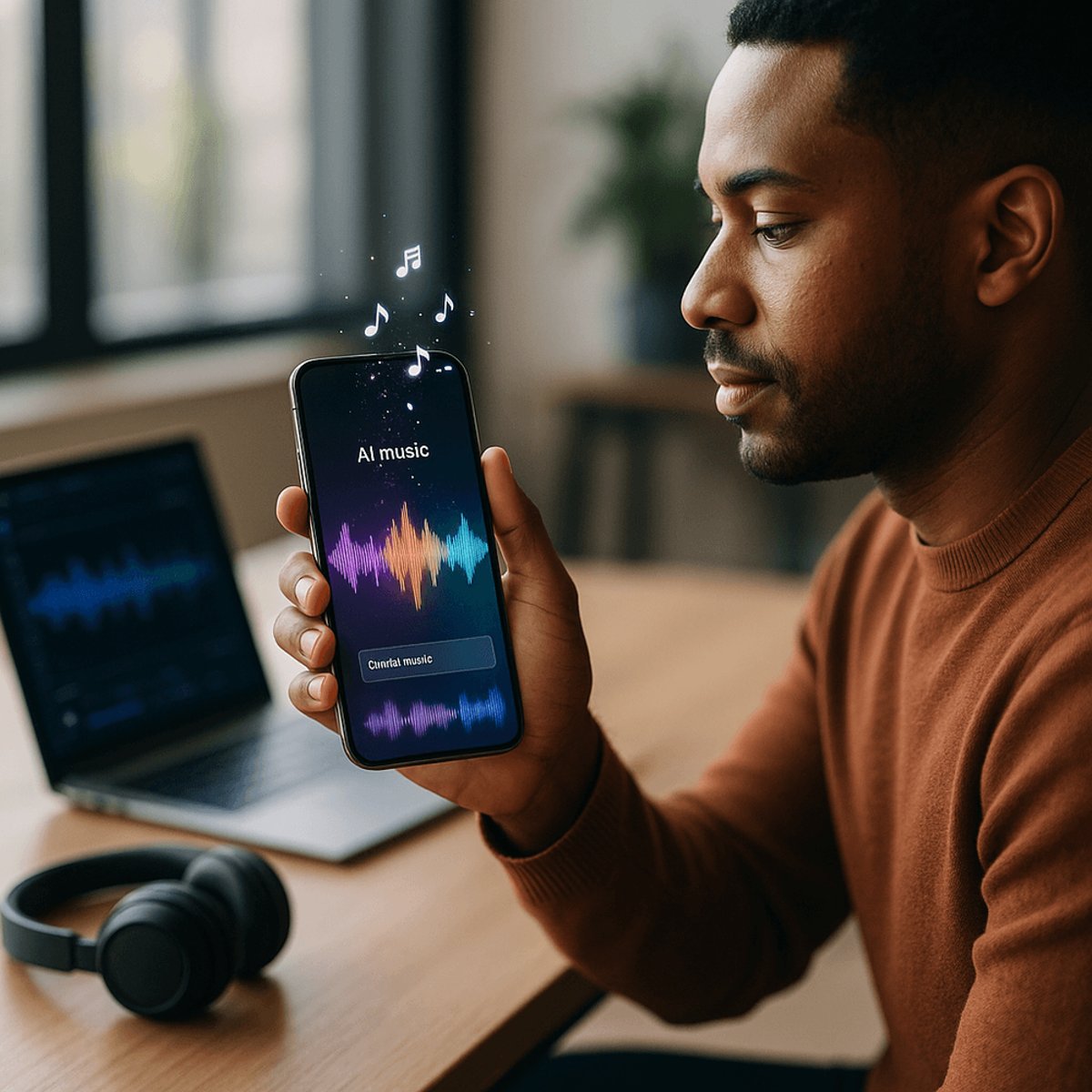
ElevenLabs is making its biggest strategic bet yet beyond voice AI. The company just dropped ElevenMusic, a standalone iOS app that lets anyone create and remix songs using simple text prompts. It's a clear signal that the AI audio startup - best known for its voice cloning tech - wants a piece of the exploding music generation market currently dominated by players like Suno and Udio.
ElevenLabs just threw down the gauntlet in AI music generation. The company, which made its name with eerily realistic voice cloning, released ElevenMusic on iOS today - a standalone app that turns text descriptions into original songs and remixes. It's the startup's clearest signal yet that it's done being pigeonholed as just a voice company.
The timing is no accident. AI music generation has exploded in the past year, with startups like Suno and Udio racking up millions of users who are cranking out everything from bedroom pop to film scores. Stability AI jumped in last year with Stable Audio, while Meta has been quietly testing its own music models. ElevenLabs clearly decided it couldn't sit this one out.
ElevenMusic works like you'd expect from the current crop of generative AI tools - type in what you want, wait a few seconds, and out comes a track. Users can describe genre, mood, instruments, even vocal style. The app also handles remixes, letting you feed it an existing song and describe how you want it changed. It's the same prompt-based interface that's become standard across AI creative tools, from OpenAI's DALL-E to Runway's video generator.
What's interesting is the standalone app strategy. While competitors have mostly stuck to web interfaces, ElevenLabs is betting that mobile-first creators want a dedicated music tool on their phones. The iOS-only launch suggests they're testing the waters before committing to Android or expanding the feature into their main platform.
The company hasn't disclosed details about the underlying model - whether it's built on licensed music data, synthetic training sets, or some combination. That's become a touchy subject as major labels have started filing lawsuits against AI music companies. Sony, Universal, and Warner are all circling the space with legal teams ready. ElevenLabs' silence on training data might be strategic, or it might mean they're still figuring out the licensing angle.
ElevenLabs raised its last known funding round in early 2024, hitting a reported $1 billion valuation on the strength of its voice tech. The company's API business has been growing steadily, powering everything from audiobook narration to video game characters. But voice AI alone might not justify the next valuation bump investors will want to see. Music generation gives ElevenLabs a second major product line and access to a completely different creator demographic.
The competitive landscape is brutal though. Suno reportedly hit 10 million users faster than almost any AI product in history. Udio's got backing from Andreessen Horowitz and has been aggressively courting professional musicians. Google has been testing its own MusicLM model, though it hasn't committed to a public release yet. ElevenLabs is walking into a fight that's already well underway.
Pricing details haven't been announced, but ElevenLabs typically operates on a freemium model with generous free tiers and paid subscriptions for heavy users. Expect something similar here - enough free generations to get people hooked, then monthly plans for anyone serious about using it.
The broader play seems to be positioning ElevenLabs as the go-to platform for all AI-generated audio. Voice, music, sound effects - if it involves AI and audio, ElevenLabs wants to own it. That's a smart hedge as the AI landscape gets more competitive and single-feature startups start looking vulnerable. Companies that can offer creators a full toolkit stand a better chance of surviving the inevitable consolidation wave.
There's also the Apple angle worth watching. An iOS-exclusive launch could be pure resource constraints, or it could hint at deeper conversations with Apple about potential integration. Apple's been conspicuously quiet on generative AI compared to rivals, but music is core to its identity. A partnership with ElevenLabs could give Apple instant credibility in AI music without having to build everything in-house.
ElevenLabs is making the right call by diversifying beyond voice, but the music AI space is already crowded and moving fast. The iOS app gives them a foothold, but they'll need to prove they can compete with platforms that have months or years of head start and millions of existing users. The real test won't be the launch buzz - it'll be whether creators still care about ElevenMusic six months from now when the novelty wears off. For now, it's a solid strategic move that positions the company for whatever comes next in the audio AI wars.