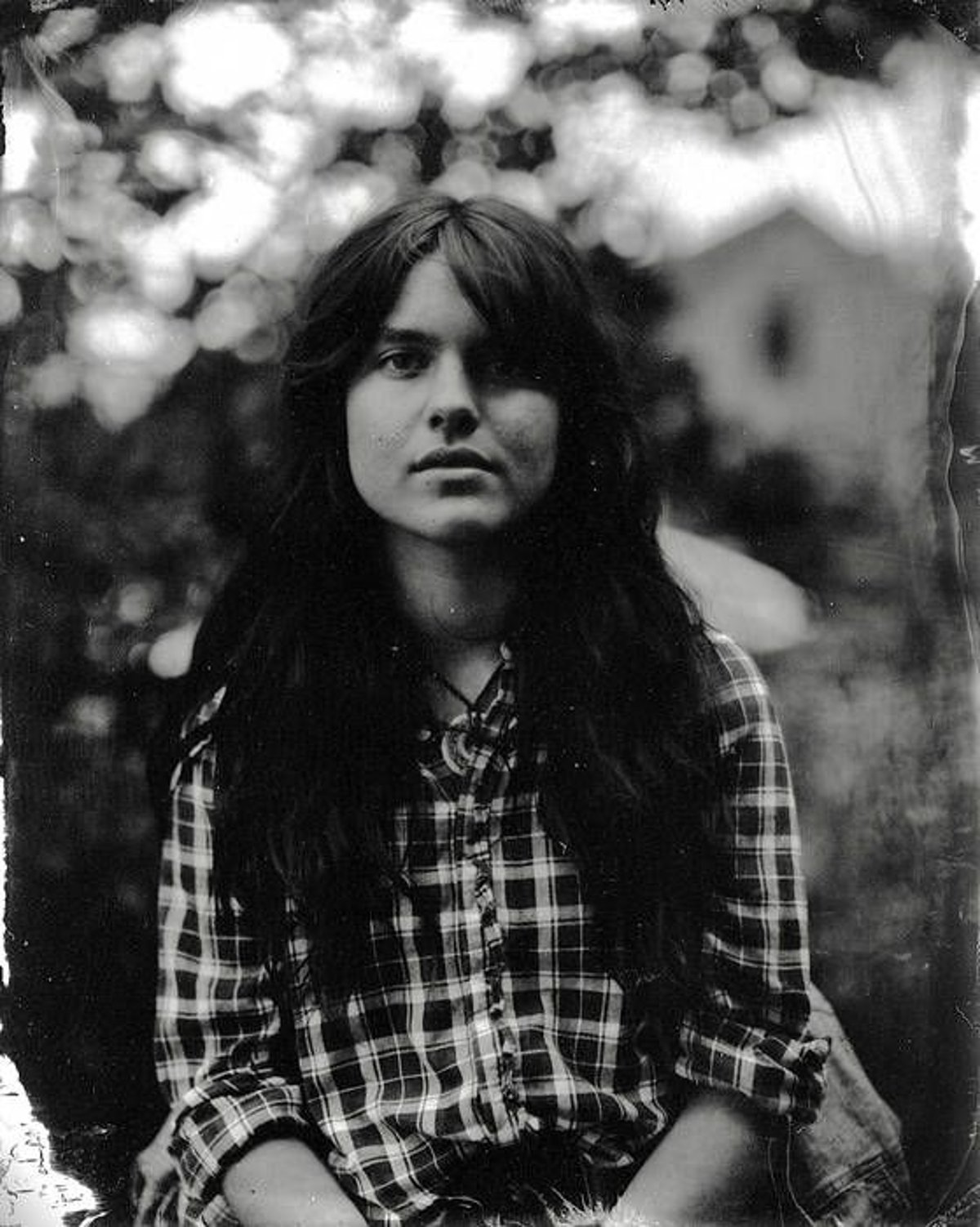
Folk musician Murphy Campbell just became the latest victim in AI's Wild West. In January, she discovered songs on her Spotify profile that she never uploaded - AI-generated covers of her own performances, scraped from YouTube and uploaded under her name without permission. The incident exposes a growing crisis where independent artists face both AI voice cloning fraud and a copyright system too broken to protect them, raising urgent questions about platform accountability in the age of generative AI.
Murphy Campbell thought she was safe. As an independent folk musician with a modest following, she assumed she'd flown under the radar of AI's more predatory uses. Then January happened.
Campbell logged into her Spotify artist profile and found songs she'd never uploaded. They were her songs - traditional folk tunes like "Four Marys" that she'd recorded - but something felt wrong the moment she hit play. The vocals sounded like her, but not quite. According to The Verge's investigation, someone had pulled her performances from YouTube, ran them through AI voice cloning tools, and uploaded the synthetic covers to streaming platforms under her actual name.
"I was kind of under the impression that we had a little bit more time," Campbell said, her shock evident even months later. She'd been watching the AI music debate unfold around major artists like Drake and The Weeknd, never imagining independent musicians would become targets this quickly.
The Verge ran Campbell's song "Four Marys" through two separate AI detection tools. Both came back with the same verdict - probably AI-generated. It's a chilling confirmation of what many in the music industry have feared: AI voice cloning has become so accessible and convincing that anyone with basic technical skills can impersonate any artist whose voice exists online.
But the AI fraud was just the beginning of Campbell's nightmare. What followed exposed an even deeper rot in the digital copyright system. As she tried to report the fake uploads and get them removed, she became entangled with what observers are calling copyright trolls - bad actors exploiting automated copyright systems to claim ownership of work that isn't theirs. The very mechanisms designed to protect artists like Campbell are now being weaponized against them.
The incident reveals a disturbing gap in how streaming platforms verify content. Spotify and similar services have no meaningful authentication system to confirm that uploaded music actually comes from the artist listed. There's no voice biometric check, no verification process, no way to prove you are who you claim to be. Anyone can upload anything under anyone's name, and the platforms won't know until someone complains.
For independent artists, this creates an impossible situation. Unlike major label acts with legal teams and platform relationships, musicians like Campbell are on their own. They lack the resources to fight copyright battles or force quick takedowns. Meanwhile, the AI-generated fakes sit on streaming services, potentially stealing streams, confusing fans, and diluting the artist's brand.
The technology enabling this fraud is widely available. AI voice cloning tools have proliferated over the past year, with some requiring just seconds of audio to create convincing synthetic voices. YouTube serves as an infinite training ground - artists building their audiences by sharing performances have unknowingly created the perfect dataset for anyone wanting to clone them.
Campbell's case also highlights how AI harms are becoming democratized in the worst possible way. Early concerns about AI music focused on high-profile incidents - unauthorized AI Drake songs going viral, for instance. But as the tools become more accessible, the victims are increasingly everyday working musicians who can't afford to fight back.
The copyright troll dimension adds another layer of absurdity. These operators exploit automated copyright claim systems on platforms like YouTube and Spotify, filing false ownership claims and collecting royalties on music they didn't create. When combined with AI-generated content, it creates a perfect storm: fake music uploaded under real artists' names, then claimed by third parties who didn't make the original or the AI version.
Streaming platforms have been slow to respond to this emerging threat. While Spotify has policies against artificial streaming manipulation, there's no clear framework for handling AI voice clones uploaded without artist consent. The platform's verification systems focus on preventing fraud at scale, not protecting individual artists from impersonation.
What makes Campbell's situation particularly poignant is that folk music - rooted in tradition, sharing, and cultural preservation - is being corrupted by the very technologies claiming to democratize creativity. These are public domain songs that have been passed down for generations, now twisted into a new form of digital identity theft.
The incident raises questions that the music industry hasn't adequately answered. Who owns an AI-generated performance that mimics a real artist? What responsibility do platforms have to verify that uploaded content actually comes from the credited artist? How can independent musicians protect themselves when the tools to clone them cost nothing and the legal recourse costs everything?
For now, artists like Murphy Campbell are left playing whack-a-mole, reporting fake uploads as they appear and hoping platforms respond before too much damage is done. It's a losing battle in an ecosystem designed for scale, not safety.
Murphy Campbell's experience is a warning shot for every musician sharing work online. The combination of accessible AI voice cloning tools, unverified streaming platforms, and a broken copyright system creates a perfect environment for fraud that disproportionately harms independent artists. As AI capabilities advance faster than platform safeguards or legal protections, more musicians will find themselves fighting ghosts - synthetic versions of themselves they never authorized, uploaded by strangers they can't identify, protected by a system that treats them as guilty until proven innocent. The question isn't whether this will happen to more artists. It's whether the industry will fix the problem before AI impersonation becomes the norm rather than the nightmare.