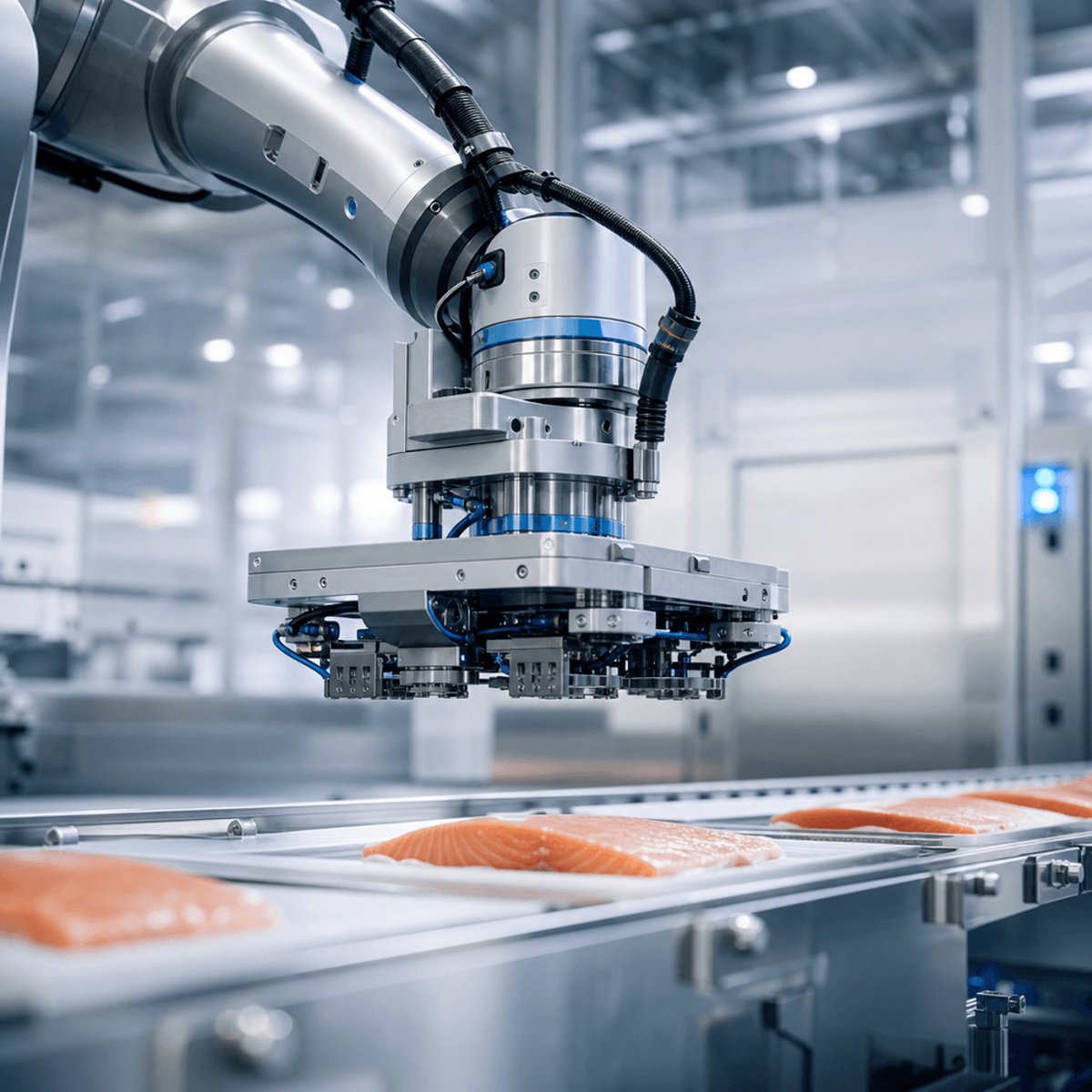
Founders Fund just made one of its most unconventional bets yet - backing a startup that kills fish with robots. Shinkei Systems, the company behind a refrigerator-sized machine called Poseidon, is attracting serious venture dollars for what might seem like an unusual pitch: automating the humane processing of seafood at scale. But in an industry plagued by labor shortages and quality inconsistencies, the startup's robotics-first approach is catching the attention of both high-end restaurants and major investors looking for the next wave of food tech innovation.
Shinkei Systems is solving a problem most people don't think about - how fish die before they reach your plate. The startup's Poseidon robot automates a Japanese technique called ike jime, which involves destroying a fish's brain and spinal cord almost instantly. It's both more humane than conventional methods and produces higher-quality meat that stays fresh longer.
Founders Fund, the venture firm co-founded by Peter Thiel, saw enough potential in this niche application to back the company. Partners Delian Asparouhov and Saif Khawaja are betting that what looks like a specialized robotics play could transform a multi-billion dollar industry struggling with fundamental challenges.
The commercial fishing industry faces a brutal combination of rising labor costs, worker shortages, and increasing consumer demand for traceable, ethically sourced seafood. Traditional processing methods - often involving fish suffocating or being packed in ice while still alive - damage the meat and shorten shelf life. Shinkei's approach flips that equation.
Poseidon isn't just about being nice to fish. The technology preserves fish quality by preventing the stress response that floods tissue with lactic acid and enzymes. Chefs and seafood distributors pay premium prices for ike jime-processed fish because it can stay fresh for days longer than conventionally killed seafood. That extended shelf life matters enormously in an industry where spoilage represents massive losses.
The robot itself is designed to fit into existing processing facilities without requiring major infrastructure changes. That's critical for adoption - seafood processors operate on thin margins and can't afford complete operational overhauls. Shinkei's refrigerator-sized footprint means the technology can slot into current workflows while handling volume that would require multiple skilled workers using manual ike jime techniques.
Founders Fund's investment thesis here mirrors their broader contrarian approach. While most VCs chase software and AI deals, they're backing hard tech solving unsexy but enormous problems. The seafood processing market represents hundreds of billions in annual global revenue, yet it's seen minimal automation compared to other food sectors.
Asparouhov and Khawaja have previously invested in companies tackling similarly overlooked industrial challenges. Their bet on Shinkei suggests they see robotics penetrating food production much faster than consensus estimates. As labor costs continue climbing and consumers demand better animal welfare standards, automation that delivers both efficiency and ethics gains serious competitive advantages.
The startup faces real challenges scaling beyond early adopters. Convincing large commercial processors to adopt new technology requires proving ROI on equipment costs, demonstrating reliability at high volumes, and navigating complex food safety regulations across different markets. Shinkei will need to show that Poseidon can handle the variety of fish species and sizes that pass through major facilities.
But the fundamentals point toward opportunity. Japan's fishing industry has used manual ike jime for generations, creating proven demand for the quality improvements it delivers. Automating that process removes the skill barrier and makes premium fish processing accessible to operations that couldn't previously justify the labor investment. If Shinkei executes, they're not just selling robots - they're enabling a quality tier that didn't exist at scale.
The investment also signals growing VC interest in food tech that goes beyond plant-based meat alternatives and delivery apps. Robotics that actually improve food production economics while addressing sustainability concerns represents a different category of innovation. Founders Fund is making a calculated bet that the next wave of food tech wins will come from unsexy automation plays rather than consumer brand stories.
Founders Fund's backing of Shinkei Systems won't grab headlines like the latest AI unicorn, but it might be the smarter long-term play. As food production faces simultaneous pressure from labor shortages, sustainability demands, and quality expectations, robotics that addresses all three becomes genuinely strategic. If Poseidon proves itself in the field, expect other VCs to suddenly discover that food processing automation isn't so boring after all. The real test comes when Shinkei needs to scale beyond high-end sushi counters into the massive commercial operations that feed global seafood supply chains.