Nuclear energy startup Valar Atomics is in talks to raise fresh capital at a $6 billion valuation, according to sources familiar with the matter. The potential deal underscores Silicon Valley's renewed appetite for climate tech infrastructure plays, while also highlighting an emerging trend in venture capital: increasingly complex, multi-stage funding structures that obscure the true price investors are paying to get in. With Sequoia Capital reportedly involved in discussions, the round would mark one of the largest bets yet on next-generation nuclear technology.
Valar Atomics is pushing forward with ambitious fundraising plans that could value the nuclear energy startup at $6 billion, multiple sources tell TechCrunch. The talks come as the nuclear power sector experiences a renaissance driven by surging electricity demands from AI infrastructure and renewed investor confidence in advanced reactor technology.
What makes this deal particularly noteworthy isn't just the eye-popping valuation. The funding round reportedly features a complex, multi-tranche structure that allows different investors to enter at varying price points - a mechanism that's becoming increasingly common in late-stage venture deals but raises questions about pricing transparency. According to sources familiar with the TechCrunch report, the structure could mask what investors are actually paying per share.
Sequoia Capital, one of Silicon Valley's most prestigious venture firms, is reportedly among the investors in discussions with Valar Atomics. Sequoia's potential involvement signals serious validation for the nuclear startup sector, which has historically struggled to attract top-tier VC backing due to long development timelines and regulatory complexity. The firm has been increasingly active in climate tech investments, viewing the energy transition as a multi-decade opportunity.
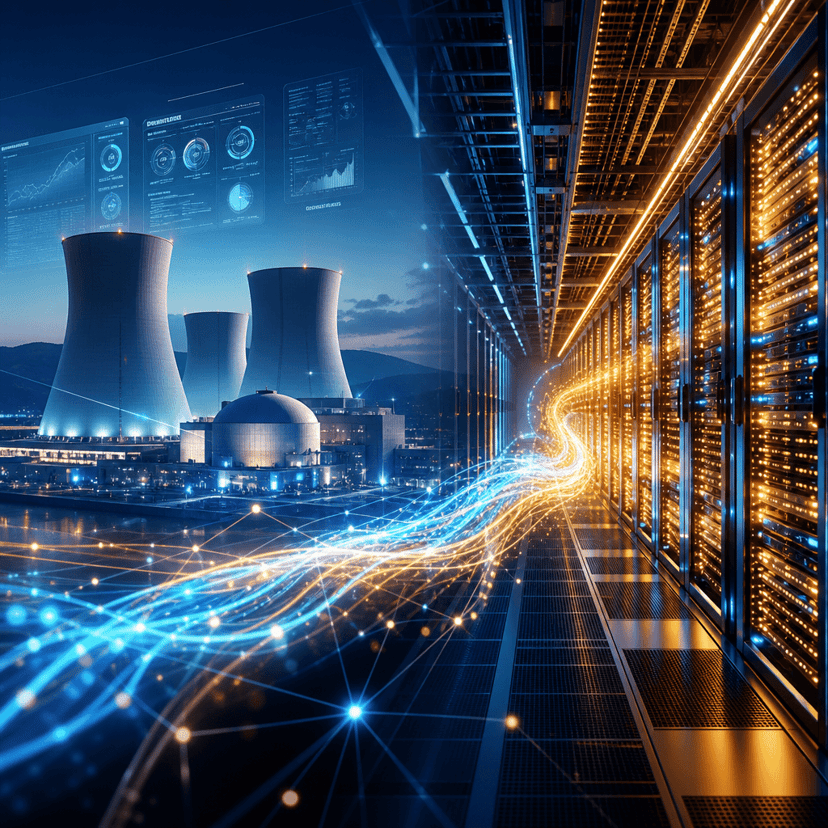
The renewed interest in nuclear power represents a dramatic shift from just five years ago, when the sector was largely written off by mainstream investors. But the explosion of AI computing has created an urgent need for reliable, carbon-free baseload power. Tech giants like Microsoft, Google, and Amazon have all announced commitments to nuclear energy as they race to meet both their climate pledges and voracious energy demands from training large language models.
Valar Atomics joins a growing cohort of well-funded nuclear startups pursuing next-generation reactor designs that promise to be safer, smaller, and more economical than traditional nuclear plants. Companies in this space have collectively raised billions in recent years, though few have yet to bring a reactor to commercial operation. The regulatory pathway remains lengthy and expensive, requiring approval from the Nuclear Regulatory Commission.
The multi-stage funding structure Valar Atomics is reportedly using has become a fixture of late-stage venture deals. These arrangements typically involve multiple closings at different valuations, with early participants getting better terms than later investors. While this flexibility can help companies secure capital more quickly, critics argue it creates confusion about a company's true valuation and can disadvantage less sophisticated investors who may not fully understand the terms.
For venture capitalists, the appeal is straightforward: staged funding reduces immediate capital requirements while maintaining exposure to upside. For startups, it provides runway without the pressure of a single massive close. But the opacity of these deals makes it harder for employees, secondary buyers, and other stakeholders to accurately value their stakes. Industry watchers note that when these structures become common, it can signal frothy market conditions where traditional pricing discipline has broken down.
The $6 billion figure, if accurate, would place Valar Atomics among the most valuable private nuclear startups globally. That's a remarkable achievement for a sector that was nearly left for dead after the Fukushima disaster in 2011. The valuation reflects not just technology progress but a fundamental reassessment of nuclear power's role in decarbonization. With renewable energy facing intermittency challenges and battery storage still expensive, investors are betting that advanced nuclear can fill the gap.
Sequoia's involvement would also mark a notable endorsement of the nuclear sector by a firm known for backing transformative technology companies. The venture firm has historically focused on software and digital platforms but has expanded aggressively into climate tech and hardware in recent years, recognizing that the energy transition will create massive new markets. A Sequoia investment in Valar Atomics would likely attract other major investors and lend credibility to the company's technical approach.
The timing of Valar Atomics' fundraise is strategic. Government support for advanced nuclear has strengthened significantly, with both the Infrastructure Investment and Jobs Act and the Inflation Reduction Act providing billions in potential support for nuclear projects. The Department of Energy has also fast-tracked certain approval processes, potentially shortening the path to commercialization. This policy backdrop makes nuclear startups more attractive investment targets than they've been in decades.
Still, substantial risks remain. No advanced reactor design has yet proven it can be built on time and on budget at commercial scale. Regulatory approval timelines remain uncertain despite recent improvements. And public opposition to nuclear facilities, while diminished, hasn't disappeared entirely. Investors backing Valar Atomics at a $6 billion valuation are making a long-term bet that these hurdles can be overcome.
Valar Atomics' $6 billion valuation talks represent more than just another big funding round - they're a barometer for how seriously Silicon Valley is taking the nuclear renaissance. With power-hungry AI workloads driving unprecedented electricity demand and climate commitments forcing tough choices about energy sources, advanced nuclear has moved from the fringe to the mainstream of venture investing. But the complex deal structures emerging in these late-stage rounds also reveal tensions in the venture market, where traditional valuation transparency is giving way to bespoke arrangements that benefit insiders while leaving others guessing. Whether Valar Atomics can deliver on the promise implied by its valuation remains to be seen, but the investor appetite is clearly there. For an industry that nearly died a decade ago, that's progress worth watching.