The Federal Trade Commission has quietly removed several key blog posts about AI risks and open-source models published during Lina Khan's tenure, marking a dramatic shift in the agency's regulatory stance. The deletions include posts advocating for open-weight AI models and warning about consumer harms - moves that contradict the Trump administration's own AI policy goals.
The Federal Trade Commission is systematically erasing its digital footprint from the Lina Khan era, with the Trump administration quietly removing hundreds of blog posts about AI regulation and consumer protection published during the previous chair's tenure.
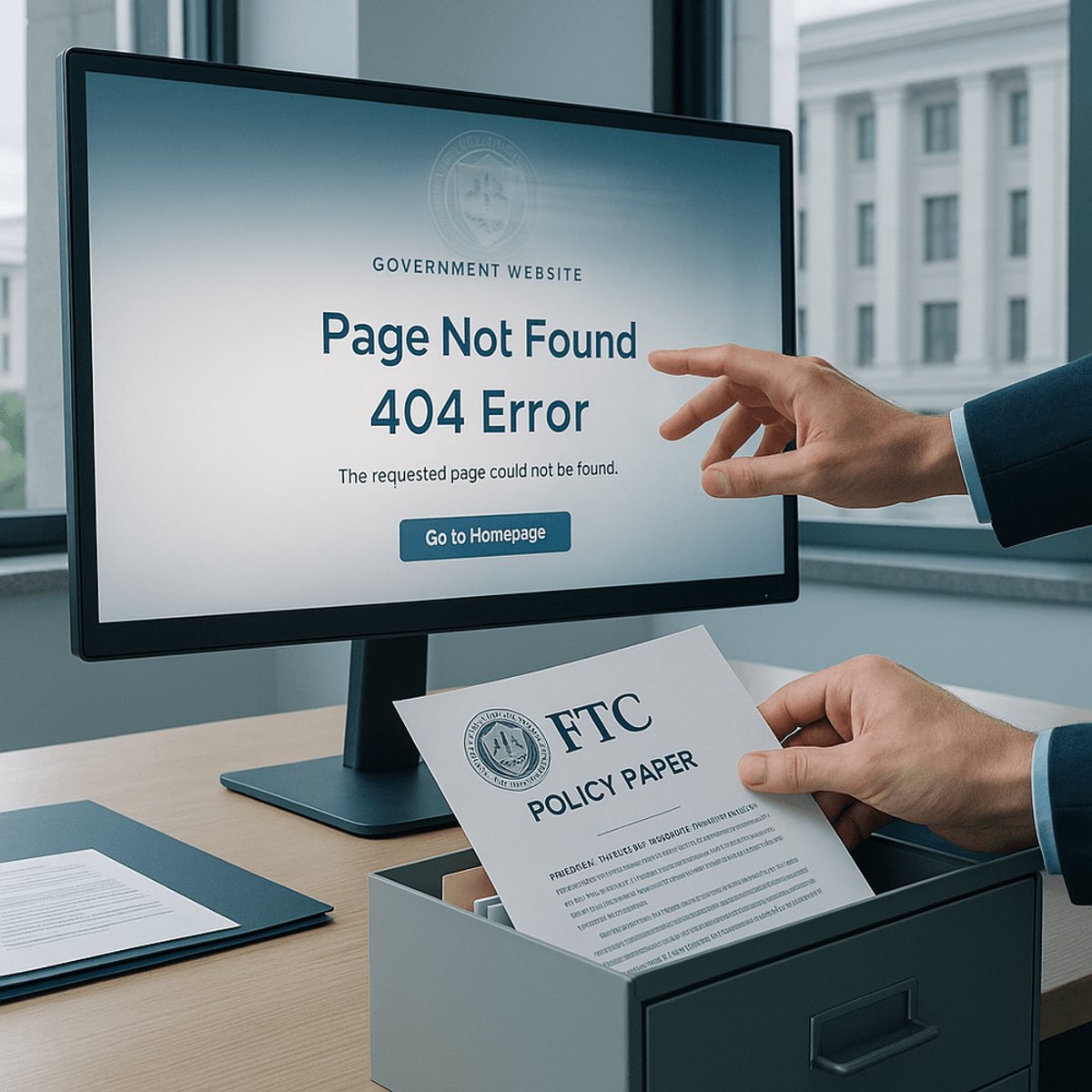
The most striking deletion involves a July 2024 blog post titled "On Open-Weights Foundation Models," which advocated for a more permissive approach to AI development. The post was removed on September 1, according to Internet Archive records, now redirecting visitors to a generic FTC technology office page.
The timing creates an awkward contradiction. Khan's staff had argued for supporting "open-weight" AI models - those with publicly released training parameters - as a way to help "smaller players bring their ideas to market." That position aligns perfectly with the Trump administration's own AI Action Plan, which explicitly states the government "should create a supportive environment for open models."
Yet newly appointed FTC chair Andrew Ferguson's team scrubbed the very blog posts that supported this approach. Former FTC public affairs director Douglas Farrar tells WIRED he was "shocked to see the Ferguson FTC be so out of line with the Trump White House on this signal to the market."
Two other AI-focused posts met similar fates. "Consumers Are Voicing Concerns About AI" from October 2023 disappeared in late August, while "AI and the Risk of Consumer Harm" - published as recently as January 2025 - now shows a "Page not found" error. That final post had warned about AI's potential for "incentivizing commercial surveillance" and "perpetuating illegal discrimination."
The deletions represent just the tip of the iceberg. WIRED previously reported that the FTC removed some 300 posts in March related to AI oversight and lawsuits against tech giants like Amazon and Microsoft. Among them was "The Luring Test: AI and the engineering of consumer trust," which had won an award from the Aspen Institute for making AI concepts accessible to the public.
The wholesale removal raises serious legal questions. An FTC source told WIRED that deleting public blog posts "raises serious compliance concerns under the Federal Records Act and the Open Government Data Act," which require agencies to preserve records with administrative, legal, or historical value.
During the Biden years, FTC leadership took a different approach when it disagreed with previous administrations - adding "warning" labels to outdated guidance rather than scrubbing it entirely. The current administration's scorched-earth approach suggests a more fundamental rejection of Khan's regulatory philosophy.
Interestingly, more than 200 posts authored by Khan herself remain live on the FTC website, including recent enforcement actions against "deceptive AI schemes" and warnings about how AI can "turbocharge fraud." The selective preservation suggests the deletions target specific policy positions rather than simply clearing the deck of all Khan-era content.
The moves come as the Trump administration faces pressure from tech industry allies who want lighter AI regulation. Key advisers like David Sacks, the White House's special adviser on AI and crypto, and Sriram Krishnan, senior policy adviser on AI, have positioned open-source development as critical for maintaining U.S. technological dominance against China.
But the FTC's actions send mixed signals to an industry already navigating uncertain regulatory waters. By removing posts that actually supported the administration's stated open-source goals, Ferguson's team may be creating more confusion than clarity about the government's AI stance.
The FTC's quiet purge of AI-related blog posts reveals deeper tensions within the Trump administration's approach to tech regulation. While the White House pushes for open-source AI development, the trade commission is erasing the very documents that supported that vision. This disconnect suggests either poor coordination between agencies or a more complex regulatory strategy that hasn't been made public. For tech companies trying to navigate AI compliance, the message is clear: the rules of the game are changing, but nobody's quite sure what the new playbook looks like yet.