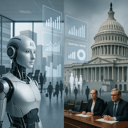
House Republicans just pulled their latest attempt to ban state AI regulations from the annual defense bill after hitting a wall of bipartisan resistance. The move marks the second major failure this year for tech industry-backed efforts to prevent states from regulating artificial intelligence, highlighting the growing political divide over who should control AI oversight in America.
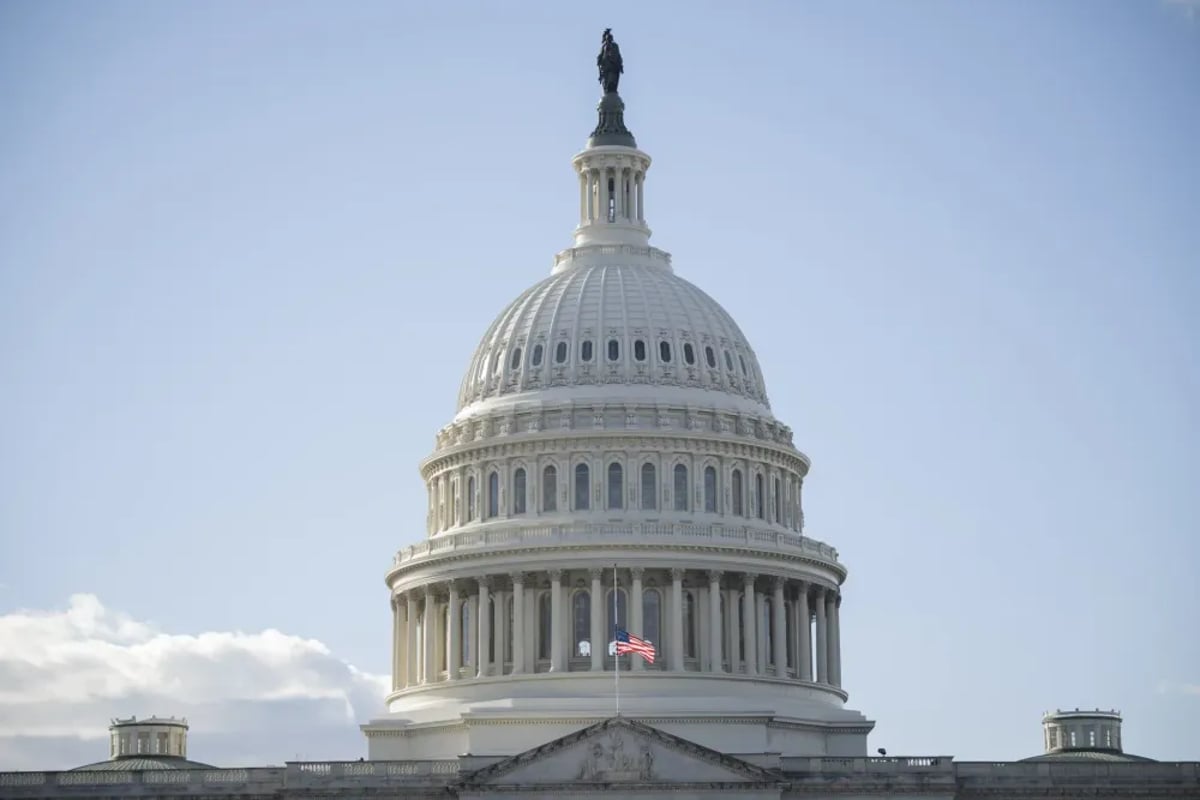
The tech industry's push to prevent states from regulating AI just hit another roadblock on Capitol Hill. House Majority Leader Steve Scalise confirmed Tuesday that Republicans removed their provision to ban state AI regulations from the National Defense Authorization Act after facing resistance from both parties.
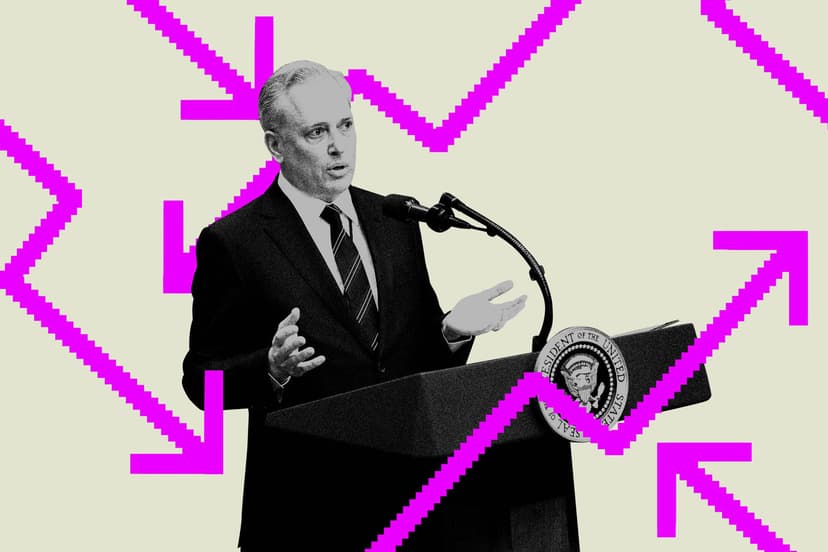
"We'll look for other places" to include the measure, Scalise told reporters according to The Hill, acknowledging the defense bill wasn't the right venue for such sweeping regulatory changes.
This marks the second major defeat this year for industry efforts to create federal preemption of state AI laws. Republicans tried inserting a 10-year moratorium on state AI regulations into Trump's tax and spending package earlier this year, only to see it stripped out in July after fierce bipartisan opposition.
The pattern reveals a fundamental split over AI governance that cuts across party lines. While Silicon Valley champions federal preemption as necessary to prevent what they call an "unworkable patchwork" of conflicting state rules that could stifle innovation, critics see state regulations as the only meaningful check on Big Tech's AI development.
The stakes couldn't be higher. States like California have moved aggressively on AI oversight, with Governor Gavin Newsom signing multiple bills targeting deepfakes, automated hiring systems, and AI safety requirements. OpenAI, Google, and other major AI companies have lobbied extensively against such measures, arguing they create compliance nightmares that slow down development.
But the opposition isn't just coming from progressive Democrats. Conservative lawmakers have expressed concerns about effectively handing regulatory control to tech companies at a time when public trust in Silicon Valley remains low. The bipartisan nature of the resistance suggests deeper skepticism about big tech self-regulation than industry lobbyists anticipated.
Trump's position adds another layer of complexity. The president-elect has publicly supported blocking state AI laws, viewing federal preemption as part of his broader deregulatory agenda. A leaked draft executive order revealed his administration was considering bypassing Congress entirely and using executive powers to override state regulations.
However, that approach has reportedly stalled as lawyers question whether presidential authority extends that far into state regulatory territory. Constitutional experts warn such a move could trigger lengthy court battles over federalism principles.
The defense bill strategy represented what many saw as Republicans' best shot at sneaking through preemption language in a must-pass piece of legislation. The NDAA typically enjoys broad bipartisan support and gets signed regardless of controversial add-ons. That it failed here suggests the political appetite for blocking state AI oversight has limits even within the GOP.
Scalise's comments about finding "other places" for the provision hint that Republicans aren't giving up. Potential vehicles include appropriations bills, regulatory reform packages, or standalone legislation. But each path faces similar political headwinds, especially with Democrats controlling key committee positions during the lame-duck session.
Meanwhile, states continue building their own AI regulatory frameworks. New York is considering algorithmic auditing requirements, while Texas and Florida are developing their own approaches to AI governance. The longer federal preemption efforts stall, the more entrenched these state systems become.
The repeated failures to block state AI regulations reveal a bipartisan wariness about letting tech companies operate without meaningful oversight. While Silicon Valley continues pushing for federal preemption, lawmakers from both parties seem increasingly reluctant to hand Big Tech a regulatory blank check. With states moving ahead on their own AI rules and Trump's executive order plans on hold, the industry faces the very patchwork of regulations it's been trying to prevent. The next battleground will likely be appropriations fights and standalone bills, but this latest defeat suggests the political winds have shifted against sweeping federal preemption.