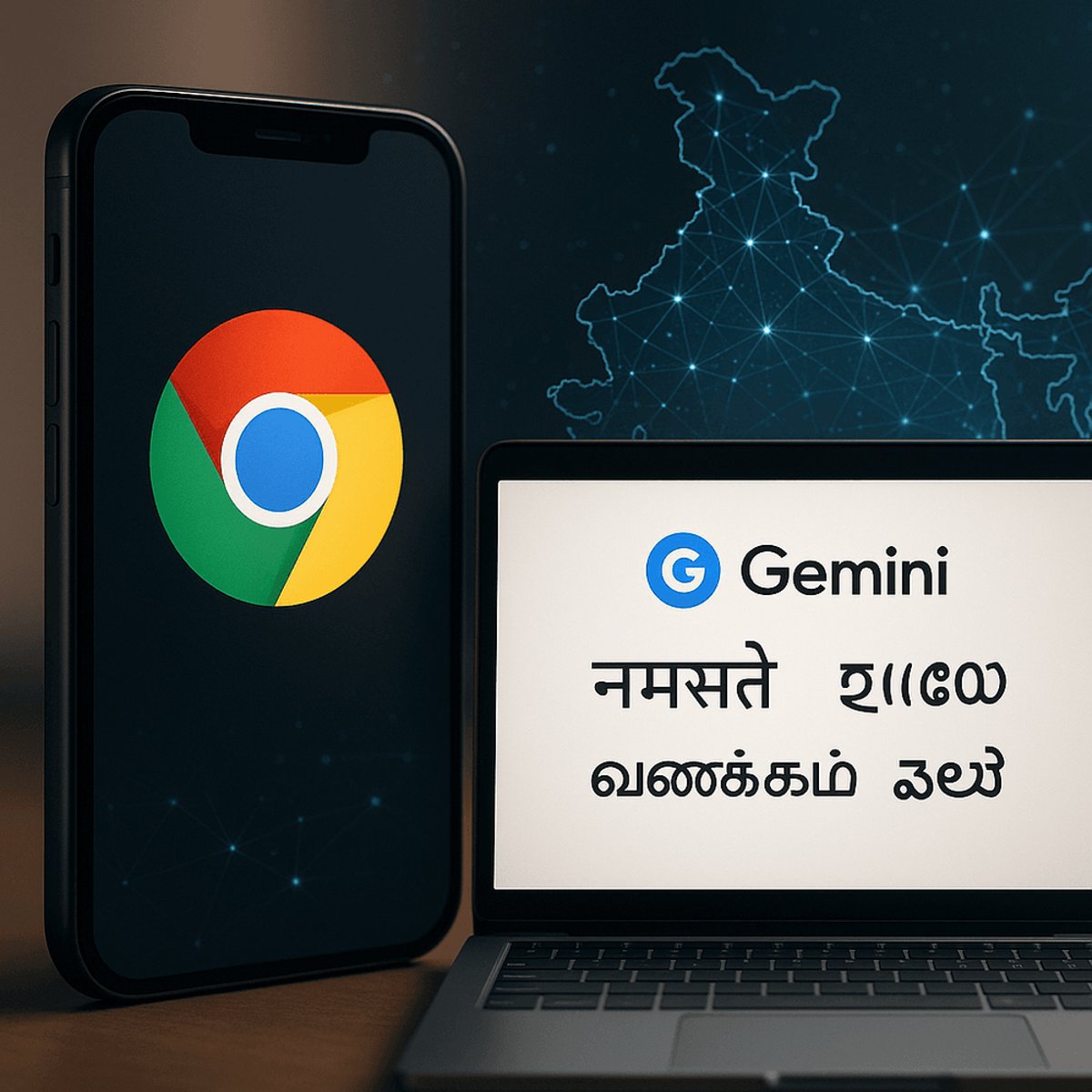
Google is rolling out Gemini-powered AI features in Chrome to India, New Zealand, and Canada, marking a significant geographic push for the browser's intelligent capabilities. The expansion brings Chrome's AI tools - including smart writing assistance, contextual search, and productivity features - to millions of new users across these markets. According to Google's official announcement, the rollout includes localized language support tailored to each region's needs.
Google just widened the playing field for browser-based AI. The company announced it's bringing Gemini-powered features to Chrome users in India, New Zealand, and Canada, complete with language localization that adapts to regional preferences. Charmaine D'Silva, Director of Product Management for Chrome, confirmed the expansion in a blog post published Wednesday.
The move puts Chrome's AI capabilities in front of hundreds of millions of potential new users. India alone represents over 467 million internet users, making it one of the world's largest digital markets. New Zealand and Canada add another 37 million combined, creating a substantial footprint for Google's browser AI ambitions.
Chrome's Gemini integration isn't just a chatbot bolted onto a browser. The features weave directly into everyday browsing tasks - smart compose for writing emails and documents, contextual explanations for complex content, and AI-generated summaries of lengthy articles. Users can also tap Gemini to organize tabs, compare products, and get instant answers without leaving their current page.
"We're bringing Gemini in Chrome's powerful AI features to more regions and languages, helping millions of people get the most out of their browser," D'Silva wrote in the announcement. The language support is crucial - Chrome will now handle queries and generate responses tailored to regional dialects and preferences across these new markets.
The timing isn't coincidental. Browser AI has become a critical battleground as Microsoft pushes Copilot integration in Edge and smaller players like Arc experiment with AI-first browsing experiences. Google's been steadily rolling out Gemini across its product ecosystem throughout 2025 and into 2026, and Chrome represents one of its most strategic integration points with over 3.45 billion users globally according to StatCounter data.
For India specifically, the expansion aligns with Google's long-standing focus on the market. The country has become a testing ground for localized features across Google products, from YouTube Shorts monetization to Google Pay innovations. Chrome's AI features joining that lineup suggests Google sees India as more than just a user base - it's a laboratory for understanding how AI assistance works in diverse, multilingual contexts.
The competitive pressure is real. Microsoft Edge has been aggressively marketing its Copilot integration, particularly in enterprise settings where Chrome traditionally dominates. By expanding Gemini's reach to these key English-speaking markets plus India's massive tech-savvy population, Google is defending its browser market share while positioning Chrome as the intelligent choice for everyday users.
What's less clear is how the features will handle India's linguistic complexity. The country has 22 official languages and hundreds of dialects. While Google's announcement mentions language support, the technical specifics about which Indian languages get full Gemini integration remain vague. That detail matters - true localization in India requires more than English translation.
The rollout also raises questions about data handling and privacy, especially in regions with evolving AI regulations. Canada recently proposed new AI governance frameworks, while India continues refining its digital privacy laws. Google hasn't detailed how Chrome's AI features will navigate these regulatory landscapes, though the company typically adjusts data practices market by market.
For Chrome users in these regions, the features should start appearing gradually over the coming weeks. Google typically uses staged rollouts for major feature launches, which means not everyone will see Gemini integration immediately. The company hasn't specified an exact timeline or whether the features require specific Chrome versions.
The expansion follows Google's broader Gemini push across Workspace apps, search, and now browsers. By embedding AI directly into Chrome - the gateway through which billions access the internet daily - Google is betting that contextual, in-browser intelligence will become as essential as tabs and bookmarks. Whether users in these new markets embrace AI assistance or find it intrusive will shape how aggressively Google expands next.
Google's Chrome expansion to India, New Zealand, and Canada marks a calculated move in the escalating browser AI wars. By bringing Gemini-powered features to these markets with localized language support, Google isn't just adding features - it's defending its browser dominance against Microsoft's Copilot-powered Edge and positioning AI assistance as a standard expectation rather than a premium add-on. The success of this rollout, particularly in linguistically complex India, will signal whether contextual browser AI resonates globally or remains a feature users tolerate rather than embrace. Watch how quickly adoption happens and whether competitors scramble to match Google's regional pace.