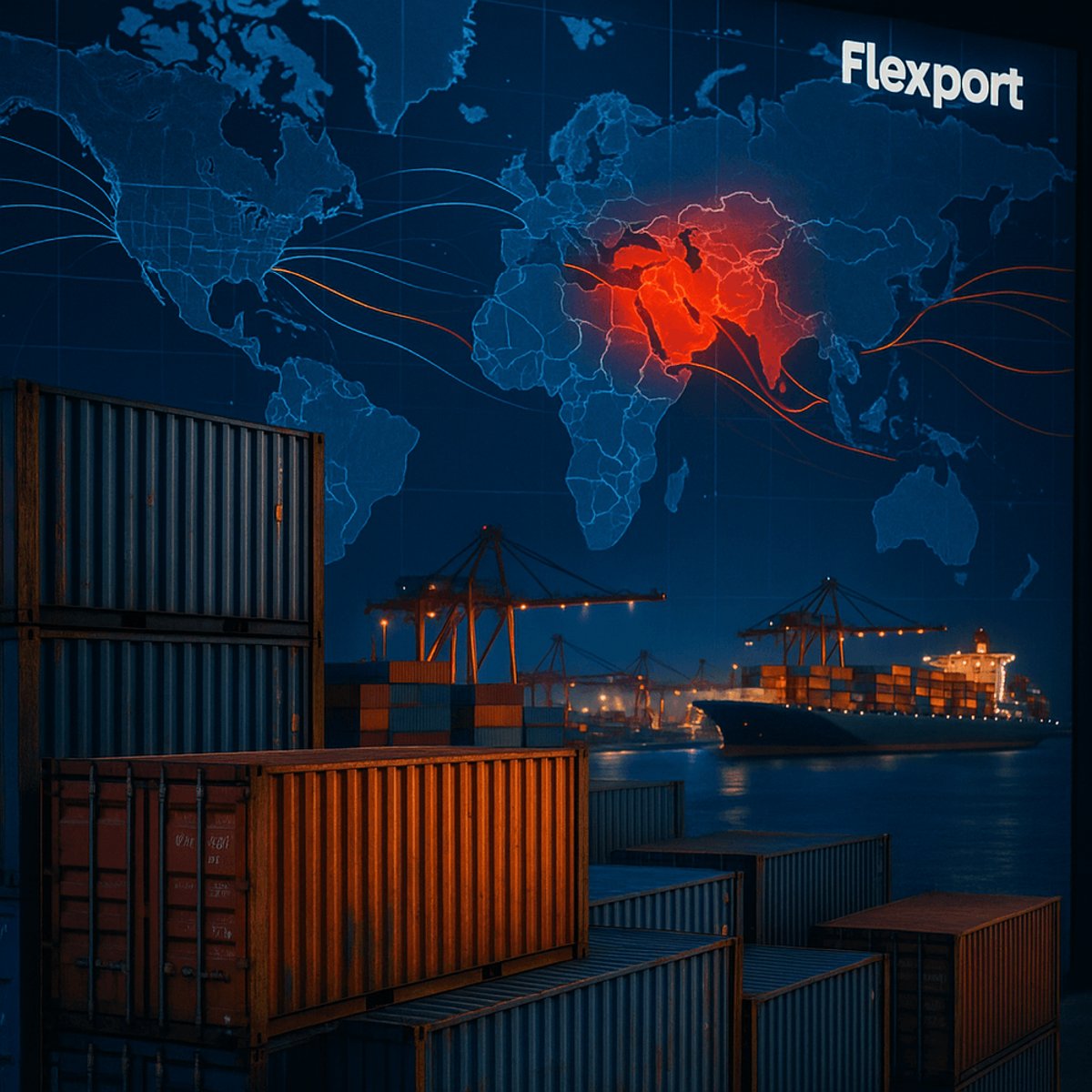
Google is deploying artificial intelligence to predict disease outbreaks before they spread. The company's new Earth AI initiative combines satellite imagery, environmental data, and machine learning to help global health organizations anticipate where and when infectious diseases might emerge. Announced today by Google Research VP Yossi Matias, the platform marks a significant shift from reactive to proactive public health - using planetary-scale data to spot the environmental conditions that precede epidemics.
Google is turning its planetary surveillance capabilities toward public health. The company just unveiled Earth AI, a platform that leverages satellite imagery, climate data, and machine learning to predict where infectious diseases might emerge next. It's an ambitious play that transforms Google Earth from a consumer mapping tool into critical health infrastructure.
The announcement comes from Yossi Matias, VP and General Manager of Google Research, who positions the initiative as "planetary intelligence" for global health. Instead of tracking outbreaks after they're detected, Earth AI aims to spot the environmental fingerprints that appear weeks or months before diseases spread - changes in rainfall patterns, temperature shifts, vegetation coverage, and population movement that create conditions ripe for epidemics.
Google's been quietly building toward this for years. The company already operates one of the world's most comprehensive geospatial data platforms through Google Earth Engine, which processes satellite imagery covering the entire planet every few days. What's new is applying that infrastructure specifically to disease prediction, training AI models on decades of outbreak data correlated with environmental conditions.
The technical approach combines multiple data streams. Google ingests satellite imagery from NASA, NOAA, and the European Space Agency, then layers in climate models, population density maps, and historical disease data. Machine learning algorithms trained on past outbreaks - everything from malaria to dengue fever to cholera - learn to recognize the environmental signatures that preceded those events. When similar patterns emerge in new locations, the system flags them as potential outbreak zones.
For public health organizations, this could mean the difference between containment and catastrophe. Traditional disease surveillance relies on reported cases, which means outbreaks are only detected after people get sick. Earth AI promises to identify high-risk areas before the first patient shows symptoms, giving health workers time to distribute preventive treatments, deploy mosquito control measures, or educate communities about risk factors.
The platform arrives as climate change is reshuffling disease patterns globally. Mosquito-borne illnesses like dengue are appearing in regions that were previously too cold to support transmission. Extreme weather events - floods, droughts, hurricanes - are creating temporary conditions that allow waterborne diseases to flourish. Traditional epidemiological models struggle to keep pace with these rapid environmental shifts, which is where AI-powered prediction becomes valuable.
Google's positioning this as a tool for the global health community rather than a consumer product. The company mentions supporting organizations working on outbreak prediction and proactive care, though specific partnerships weren't detailed in today's announcement. That suggests Earth AI will likely function as an enterprise platform or research tool rather than a public-facing application.
The move puts Google in direct competition with established players in disease surveillance. Organizations like the World Health Organization, CDC, and academic institutions have been developing outbreak prediction models for decades. What Google brings to the table is unmatched computational infrastructure and data scale - the ability to process planetary-scale imagery and run complex AI models that smaller organizations can't match.
There are obvious questions about data privacy and surveillance. While satellite imagery doesn't capture individual-level data, the platform's ability to track population movements and predict health outcomes in specific communities will raise concerns about how that information gets used and who controls access. Google hasn't yet detailed its data governance policies for Earth AI.
The business model also remains unclear. Google has a track record of launching ambitious health initiatives - from Google Health to Project Nightingale - that later face scaling challenges or privacy controversies. Whether Earth AI will be offered as a commercial product, a philanthropic tool, or something in between could determine its long-term impact.
What's certain is that this represents a significant expansion of how tech companies are applying AI to healthcare. Rather than focusing on clinical diagnosis or drug discovery, Earth AI operates at a population health level, using environmental data to predict disease patterns before they affect individual patients. It's a fundamentally different approach than most digital health initiatives, one that treats infectious disease as an ecological phenomenon shaped by planetary conditions.
The timing is strategic. After years of COVID-19 dominating public health discussions, there's renewed focus on pandemic prevention and early warning systems. Governments and international organizations are investing heavily in surveillance infrastructure designed to catch the next outbreak before it becomes a global crisis. Google's Earth AI positions the company as a critical partner in that effort, offering capabilities that no single government or health organization could build independently.
Google's Earth AI represents a fundamental shift in how we might approach infectious disease - moving from reactive response to predictive prevention by reading environmental signals invisible to traditional surveillance. If the platform delivers on its promise, it could give health organizations the kind of early warning system that prevents localized outbreaks from becoming global emergencies. But success will depend on whether Google can navigate the complex landscape of data governance, international partnerships, and trust that defines global health work. The technology is impressive, but the real test will be whether communities most vulnerable to disease outbreaks actually benefit from this planetary intelligence.