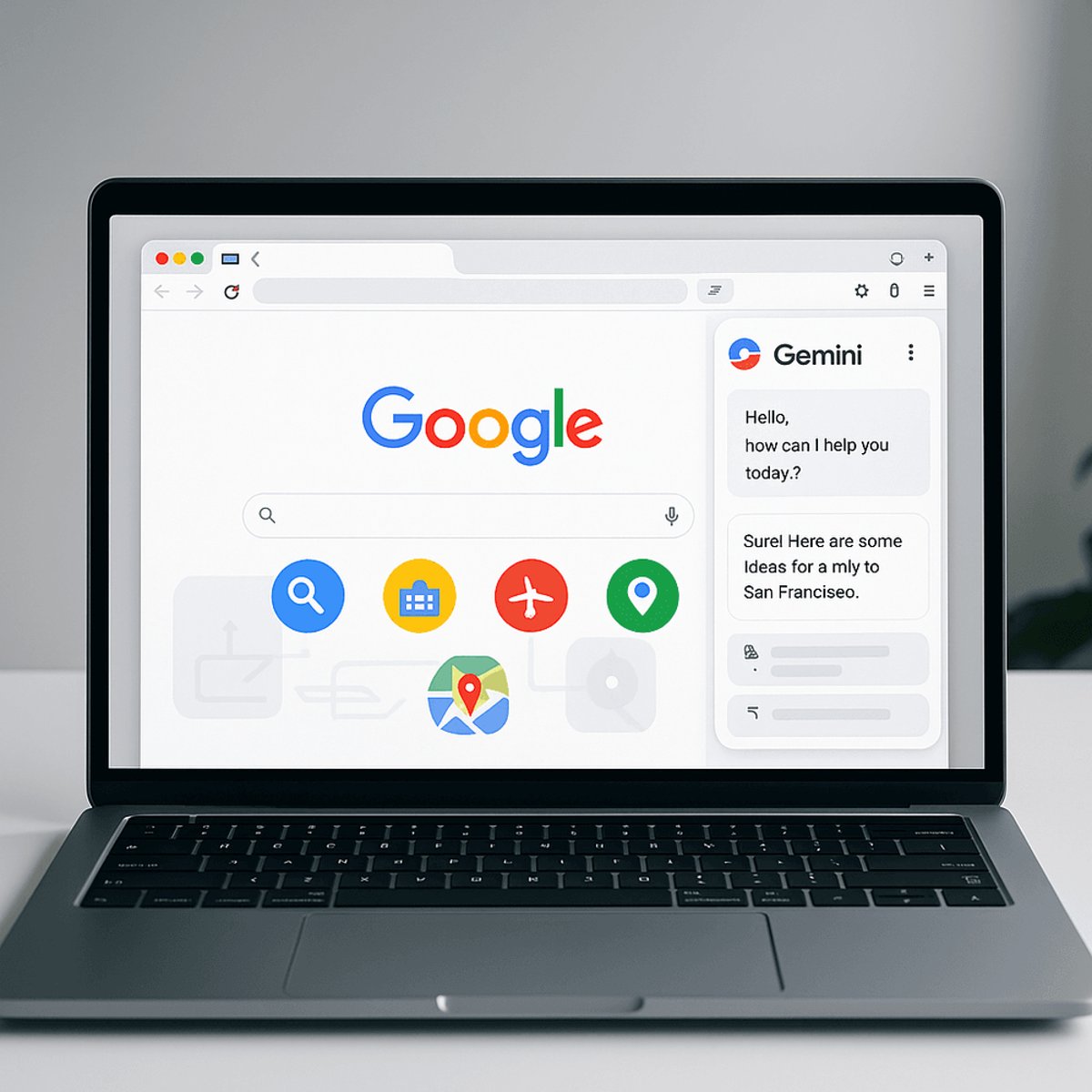
Google is making its biggest Chrome AI push yet, embedding Gemini features directly into the browser as the company races to defend its turf against OpenAI's new Atlas browser. The move brings agentic AI, personalized intelligence, and an always-on chatbot panel to Chrome users, marking a significant escalation in the battle for how people access AI on the web. With the updates rolling out to AI Pro and Ultra subscribers first, Google is betting that browser-native intelligence will keep users locked into its ecosystem.
Google just turned Chrome into an AI command center. The company rolled out a suite of Gemini-powered features on Wednesday that fundamentally change how its 3 billion browser users can interact with the web, embedding everything from image generation to autonomous task execution directly into the browsing experience.
The centerpiece is Auto browse, an agentic AI feature that lets subscribers tell Chrome to do things like "go through my favorited apartments on Redfin and remove any that aren't pet friendly," according to Google's blog post. The tool can order groceries, compare flight options across multiple dates, and execute other multi-step tasks across different websites with a single prompt. It's the kind of capability that Google DeepMind CEO Demis Hassabis has been pushing toward with his vision of a "universal assistant" that can plan and act on behalf of users across any device.
But there's a catch. Auto browse is only available to AI Pro and Ultra subscribers in the U.S. for now, meaning Google is using its browser dominance to drive paid AI subscriptions. The company is also introducing Nano Banana, its image generation tool, and a redesigned Chrome interface that keeps a Gemini chatbot panel pinned to the right side of the browser as you surf the web.
"Chrome will remember context from past conversations so you get uniquely tailored answers to whatever you're looking for across the web," Chrome VP Parisa Tabriz wrote in the announcement. That personalization builds on Google's "Personal Intelligence" feature, which launched earlier this month in the Gemini app. The feature hooks into Gmail, Google Photos, and other services to deliver customized responses based on your actual data.
The timing isn't coincidental. Google has been scrambling to AI-ify Chrome ever since OpenAI launched Atlas, its own ChatGPT-powered browser, back in October. That announcement sent Alphabet shares tumbling 2% as investors worried about Chrome's future in a world where AI companies are building their own gateways to the internet. Atlas represents an existential threat because browsers are the primary way people access AI services, and if users migrate to an OpenAI-controlled entry point, Google loses both search traffic and the ability to push its own AI products.
The browser upgrades also come as Google navigates the fallout from its antitrust battles. A U.S. district judge ruled in September that the company holds an illegal monopoly in internet search but stopped short of forcing a Chrome sale as a remedy. Google filed to appeal that monopoly ruling earlier this month, but the company clearly isn't waiting for the courts to decide its fate. Instead, it's doubling down on making Chrome indispensable through AI features.
This isn't Google's first attempt to weave AI into Chrome. The company updated the browser in September to integrate Google apps like Calendar, YouTube, and Maps so users could access those services without opening new tabs. But Wednesday's rollout goes further by making the browser itself an active participant in your web activity rather than just a passive window.
The competitive pressure is intense. Anthropic, maker of the Claude AI assistant, has been building its own browser integrations, while OpenAI continues expanding Atlas's capabilities. Google's advantage is scale—Chrome commands roughly 65% of the global browser market—but that dominance means nothing if users start treating browsers as interchangeable portals to AI chatbots.
What's telling is how aggressively Google is tying Chrome features to its subscription tiers. By gating Auto browse behind the AI Pro and Ultra paywalls, the company is essentially using its browser monopoly to upsell premium AI services. It's a strategy that could attract regulatory scrutiny, especially given the ongoing antitrust cases, but Google seems willing to take that risk to stay competitive.
The real test will be whether users actually want their browser to act autonomously on their behalf. Agentic AI sounds powerful in demos, but it requires a massive leap of trust—users have to believe the AI won't mess up their apartment search or accidentally book the wrong flight. Google is banking that the convenience of natural-language commands will outweigh those concerns, but the feature's success will depend on execution reliability.
For now, the message is clear: Google isn't ceding the browser battlefield to OpenAI without a fight. By embedding Gemini throughout Chrome and pushing toward Hassabis's vision of a universal assistant, the company is trying to make AI integration so seamless that switching browsers becomes unthinkable.
Google's Chrome AI blitz represents more than just feature upgrades—it's a defensive maneuver in a rapidly shifting landscape where browsers are becoming AI battlegrounds. By locking premium agentic features behind subscription tiers and embedding Gemini throughout the browsing experience, Google is trying to turn its market dominance into an AI moat. Whether users embrace autonomous browser agents or balk at the privacy implications will determine if this strategy cements Chrome's lead or accelerates the migration to AI-first alternatives like Atlas. The next few months will reveal whether browser loyalty still matters when every company is building its own gateway to artificial intelligence.