Google just turned mobile gaming on its head. The company's rolling out Gemini Live integration directly into Play Store games, letting players ask for hints and strategy advice without ever leaving their game. This puts Google in direct competition with Microsoft's Xbox Gaming Copilot, marking the next battleground in AI-powered consumer experiences.
Google just made every mobile gamer's wish come true. The tech giant announced Tuesday that Gemini Live will integrate directly into games downloaded from the Play Store, creating an AI sidekick that can see what's happening on your screen and offer real-time advice through voice commands.
The timing couldn't be more strategic. This move puts Google head-to-head with Microsoft, which launched its own Gaming Copilot feature for Xbox mobile apps and Windows 11 PCs earlier this year. But Google's implementation goes deeper - Gemini Live can actually "see" what's on your screen, tailoring its suggestions to your exact game situation.
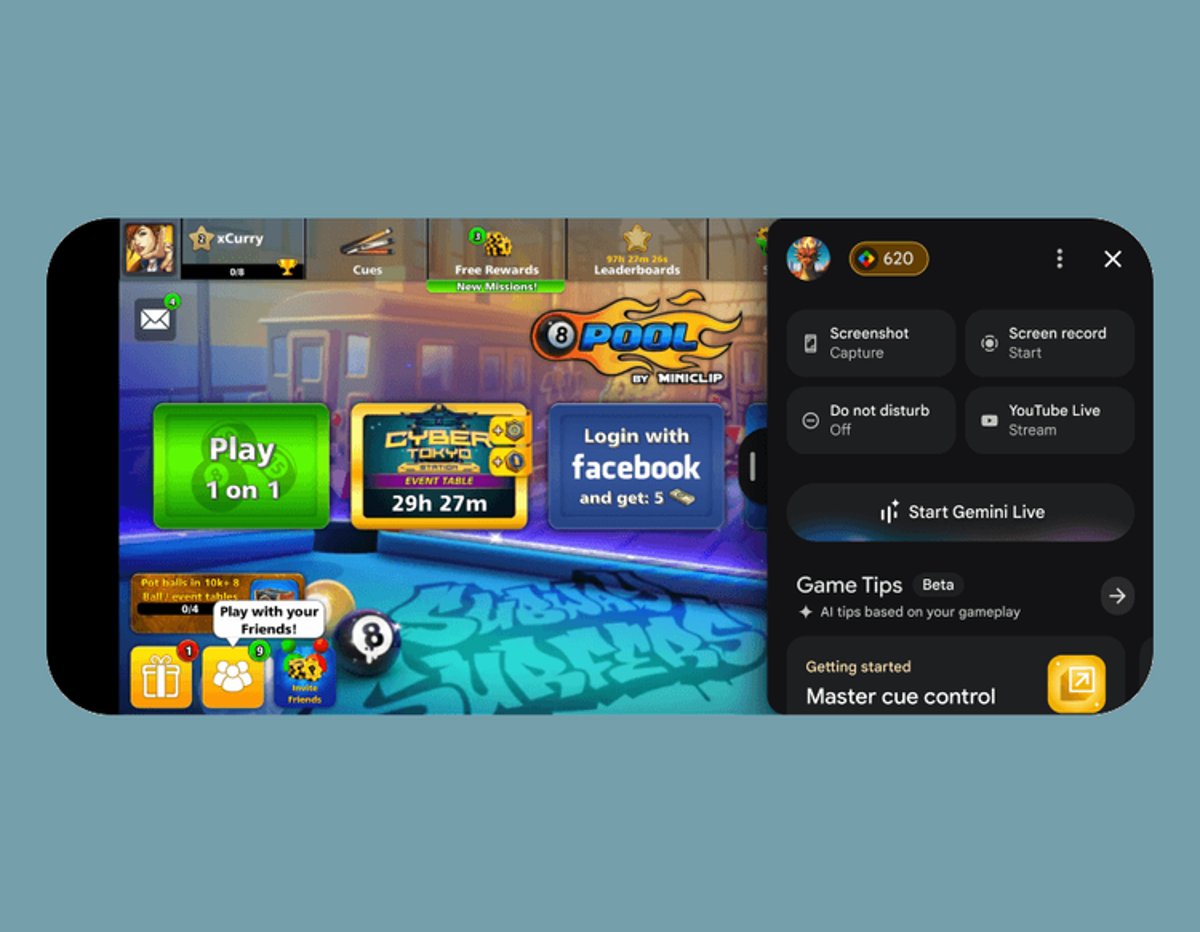
"The AI assistant can see what's on your screen, giving it the ability to tailor its suggestions to your game," according to Google's announcement. Players can ask questions aloud mid-game and receive audible responses without breaking their flow or opening new windows.
The feature launches through a new in-game overlay that extends beyond just AI help. The sidebar includes details about rewards, offers, and achievements - essentially creating a comprehensive gaming command center. This represents Google's broader push to make Android gaming more immersive and intelligent.
Google's also capitalizing on this moment to widely release Google Play Games to PC, three years after the program's beta launch. The company now boasts over 200,000 games that work seamlessly across mobile and desktop, creating a unified ecosystem that rivals what Microsoft offers through Xbox Game Pass.
The competitive implications are massive. While Microsoft focused on console and PC gaming with its AI assistant, Google's targeting the mobile-first gaming audience - a market worth over $100 billion annually. By embedding AI directly into the Play Store experience, Google's betting that convenience trumps Microsoft's more sophisticated gaming infrastructure.
Beyond the AI assistant, Google's rolling out "enhanced" game pages that provide progress overviews, achievements, and developer updates. The company's also testing community features that let players ask and answer questions directly on game store pages in select markets - turning the Play Store into more of a social gaming platform.
This isn't just about helping players beat difficult levels. Google's positioning Gemini Live as the foundation for a smarter, more connected gaming experience that could extend to game discovery, social features, and even in-app purchases. The screen recognition technology alone opens possibilities for contextual ads, performance optimization, and cross-game recommendations.
The rollout starts with "select games" over the coming months, though Google hasn't specified which titles will support the feature first. Given the technical requirements for screen recognition and voice processing, expect popular multiplayer and strategy games to lead the integration.
For developers, this creates both opportunity and pressure. Games that integrate well with Gemini Live could see increased engagement and retention, while those that don't might struggle to compete for players' attention in an increasingly AI-enhanced gaming landscape.
Google's Gemini Live integration represents more than just another AI feature - it's a strategic play to own the future of mobile gaming. By combining screen recognition, voice commands, and contextual assistance, Google's creating an experience that could fundamentally change how we interact with games. The real test will be whether developers embrace the integration and whether players find AI assistance helpful rather than intrusive. With Microsoft already proving there's demand for gaming AI assistants, Google's timing couldn't be better to capture the mobile gaming market.