Google is rolling out new Indigenous-focused features across its platform ecosystem for Native American Heritage Month, launching special content on YouTube, Google Play, and Search that highlights Native creators and businesses. The initiative represents the tech giant's latest effort to integrate cultural awareness into its product offerings while supporting Indigenous communities.
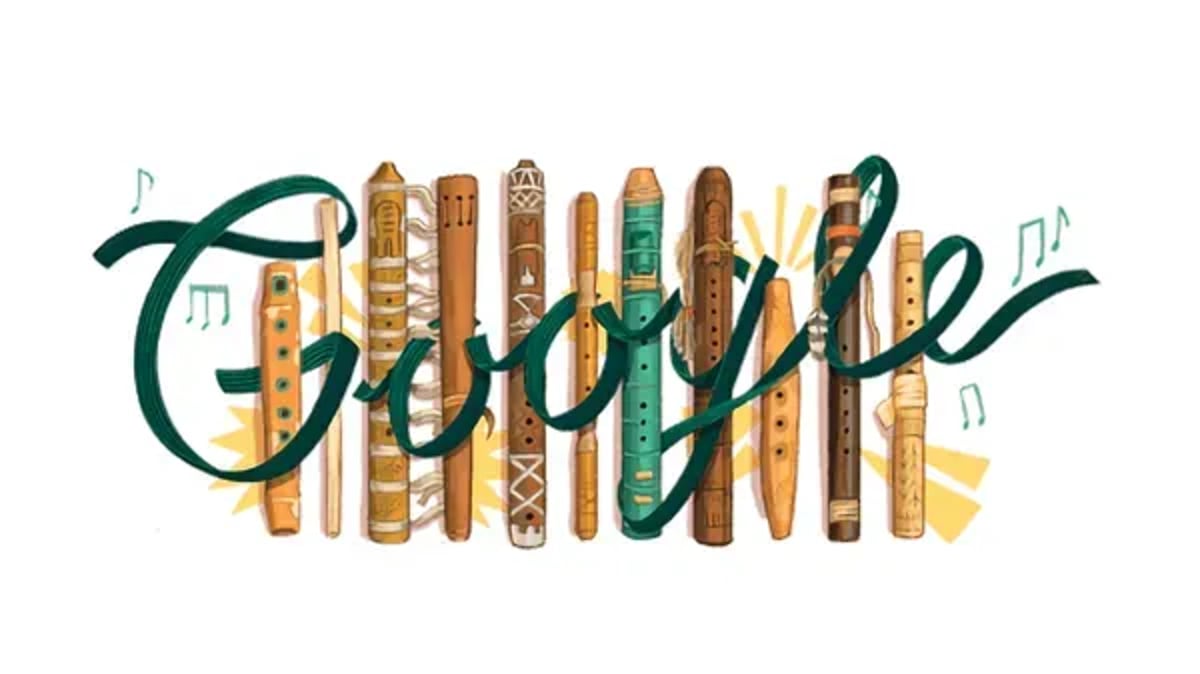
Google is weaving Indigenous voices into its digital ecosystem this November, launching a coordinated Native American Heritage Month campaign that spans from search results to streaming content. The initiative kicks off with a Google Doodle celebrating Native American flutes, illustrated by Chickasaw Nation guest artist Madelyn Goodnight, marking the company's commitment to highlighting Indigenous cultural traditions.
The campaign extends deep into Google's product lineup, with Google Play featuring specially curated content that puts Indigenous authors front and center. U.S. Poet Laureate Joy Harjo is personally curating a collection of her favorite books by Indigenous authors, giving readers direct access to voices that are often underrepresented in mainstream publishing.
YouTube is amplifying Native creators through a multi-pronged approach that includes partnerships with established Indigenous content creators. The platform is spotlighting creators like Shina Nova, Marika Silka, Eagle Blackbird, and ChiefSweetsUniverse through social editorial features and a Creator Collective experience designed to boost their visibility.
The platform's commitment goes beyond content curation - YouTube is featuring a channel banner takeover by Beads by Chey, giving prominent real estate to Indigenous artistry. This visual prominence signals YouTube's recognition that representation matters not just in content but in how platforms present themselves to users.
These new launches build on Google's existing infrastructure for supporting Indigenous communities. The company already spotlights Indigenous-owned businesses through Search and Maps, making it easier for users to discover and support Native-owned enterprises. Chrome users can access digital art through the browser's Native American Artists series, integrating Indigenous creativity into daily browsing experiences.
The coordinated approach reflects a broader trend among tech companies to move beyond performative gestures toward meaningful platform integration. Rather than limiting cultural recognition to standalone campaigns, Google is embedding Indigenous voices into its core product experiences - from the homepage Doodle that millions see daily to the algorithmic recommendations that shape what content users discover.
This initiative comes as tech platforms face increased scrutiny over representation and cultural sensitivity. By partnering directly with Indigenous creators and curators like Joy Harjo, Google is attempting to ensure authenticity in its cultural programming while providing economic opportunities for Native artists and businesses.
The timing aligns with growing consumer awareness around supporting Indigenous communities, particularly as younger users increasingly seek out diverse voices and authentic cultural content. For Google, integrating these features across multiple platforms creates a cohesive experience that can drive engagement while supporting social impact goals.
The success of this initiative will likely influence how other tech giants approach cultural heritage months, potentially setting a new standard for multi-platform integration rather than isolated promotional campaigns. As digital platforms become primary cultural gatekeepers, Google's approach suggests a recognition that representation requires systematic integration, not just seasonal acknowledgment.
Google's multi-platform Native American Heritage Month campaign represents a shift from isolated cultural programming toward systematic integration of Indigenous voices across digital experiences. By embedding Native creators and businesses into core product features rather than treating cultural recognition as a sidebar initiative, the company is setting a potential template for how tech platforms can support underrepresented communities while creating authentic user experiences. The real test will be whether these partnerships extend beyond November and translate into lasting opportunities for Indigenous creators and businesses within Google's ecosystem.